Sundance Film Festival 2026: Juries, Cities, and the Quiet Reinvention of an American Institution
The Sundance Film Festival has always been more than a movie showcase. In early 2026, it finds itself at the center of two parallel conversations: who decides the future of independent film, and where that future physically lives. Recent announcements around jury leadership and a high-profile hosting agreement debate in Colorado signal a festival navigating continuity and change at the same time.
Main Topic Overview
Founded in the late 1970s and transformed under Robert Redford into a defining platform for American independent cinema, Sundance has repeatedly adapted to shifts in the industry. From the rise of streaming platforms to pandemic-era hybrid screenings, the festival’s leadership decisions and host-city relationships have increasingly become part of the story. The 2026 cycle reflects that evolution, combining creative stewardship with civic negotiation.
News Coverage
Boulder council approves Sundance hosting agreement and downtown incentives; parking revenue share included
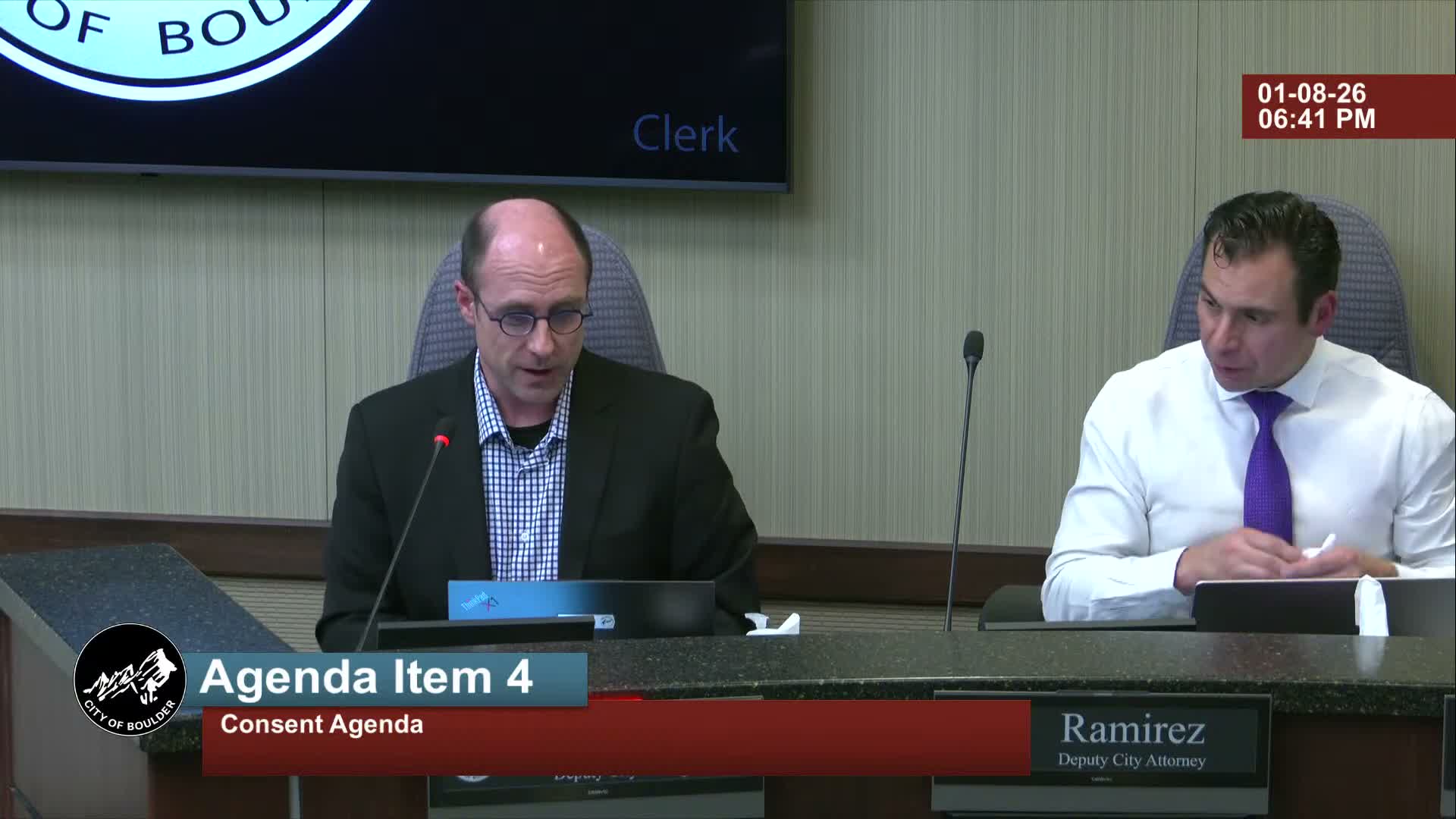
The Boulder City Council’s approval of a Sundance hosting agreement marks a notable moment in the festival’s long-standing relationship with host communities. The deal, which includes downtown incentives and a share of parking revenues, reflects the economic calculus cities now apply to cultural events. Supporters argue that Sundance delivers global visibility and off-season tourism, while skeptics question public subsidies for a privately run festival. This debate echoes similar discussions held in Utah decades earlier, underscoring how Sundance’s cultural weight inevitably intersects with municipal budgets.
Boulder City Council OK’s multi-million incentives package for Sundance

Reporting from the Boulder Daily Camera adds local texture to the incentives discussion, detailing the scale and structure of the package approved by city leaders. The article situates Sundance within Boulder’s broader economic strategy, framing the festival as both a cultural asset and a logistical challenge. Previous host cities have faced similar trade-offs, balancing infrastructure strain against long-term brand value. The coverage highlights how Sundance’s reputation can influence policy far beyond the film industry itself.
Sundance Film Festival Unveils Jury Members
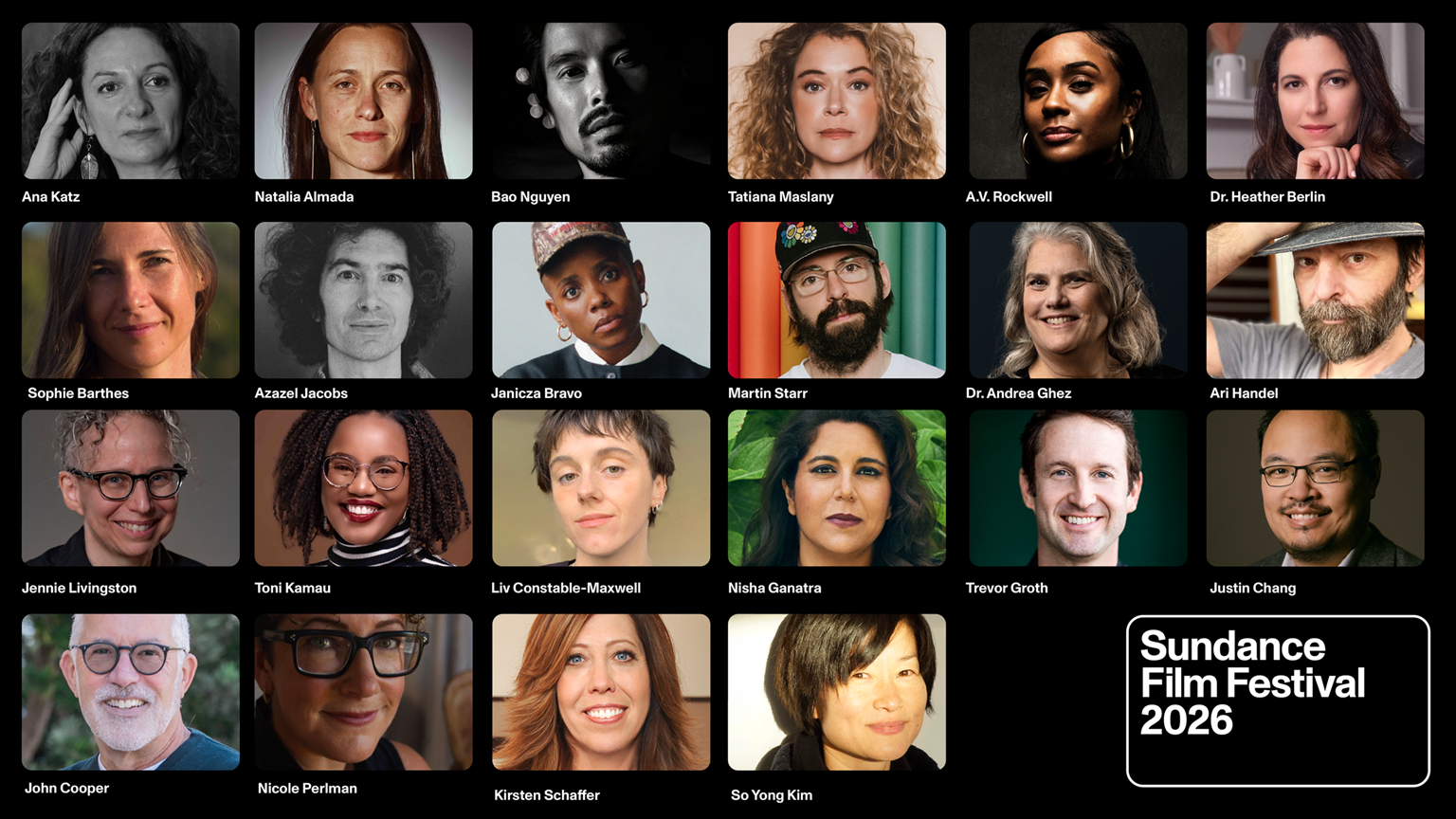
The official Sundance announcement introducing the 2026 jury emphasizes diversity of background and perspective, a theme the festival has steadily reinforced in recent years. By highlighting jurors’ experience across independent film, television, and global cinema, Sundance signals an intent to evaluate work through multiple creative lenses. This approach follows earlier editions where jury composition shaped award outcomes and industry narratives. The announcement positions the juries as stewards of both tradition and experimentation.
Sundance: Janicza Bravo, Nisha Ganatra and Azazel Jacobs to Lead Dramatic Jury

The Hollywood Reporter’s coverage focuses on leadership at the dramatic competition level, noting how the selected jurors’ filmographies align with Sundance’s evolving identity. Each has navigated both independent and studio systems, reflecting the blurred boundaries modern filmmakers face. Historically, dramatic jury leaders have influenced which storytelling styles gain momentum after the festival. This announcement therefore carries implications not just for awards, but for the kinds of films likely to dominate post-Sundance conversations.
Sundance Sets Juries With Tatiana Maslany, Martin Starr, Azazel Jacobs, A.V. Rockwell and More

TheWrap expands on the jury narrative by examining the range of disciplines represented, from acting to directing and writing. This breadth mirrors Sundance’s historical role as a crossroads where different creative paths intersect. Past festivals have shown that such juries often elevate unconventional performances and hybrid storytelling. The article situates the 2026 lineup within that legacy, suggesting continuity rather than disruption.
Sundance Film Festival Announces Its Jury

Showbiz Junkies frames the jury announcement through audience expectations, emphasizing how recognizable names can shape anticipation ahead of the festival. This angle reflects a long-running tension at Sundance between industry insiders and general filmgoers. Similar coverage in previous years has shown how juror visibility can influence media attention before any films are screened. The piece reinforces the idea that Sundance’s cultural impact begins well before opening night.
Summary / Insights
Taken together, these developments portray a festival balancing artistic credibility with practical realities. Jury selections reinforce Sundance’s commitment to varied perspectives, while the Boulder agreements highlight the growing economic footprint of cultural institutions. This isn’t the first time Sundance has faced questions about scale, location, or influence, but the 2026 cycle shows those questions becoming more interconnected. The festival’s future appears shaped as much by city councils and contracts as by filmmakers and jurors.
TL;DR
Sundance 2026 combines high-profile jury leadership with renewed debate over where and how the festival is hosted, underscoring its dual identity as both cultural tastemaker and economic engine.