Sundance Film Festival 2026 Signals Its Creative Direction With Jury Announcements
The Sundance Film Festival is once again drawing early attention—not because of premieres, but because of who will judge them. As details around the 2026 juries emerge, the conversation has shifted toward what these selections suggest about the festival’s priorities, its evolving identity, and the kinds of stories likely to rise to the top in Park City.
Main Topic Overview
Jury announcements have long served as an early indicator of Sundance’s creative temperature. While films ultimately define the festival, jurors shape outcomes, conversations, and sometimes careers. For 2026, the names unveiled point toward a blend of independent credibility, crossover appeal, and voices familiar with both experimentation and mainstream storytelling. This approach builds on patterns seen in recent years, where Sundance balanced discovery with recognizability.
News Coverage
Sundance Film Festival Unveils Jury Members
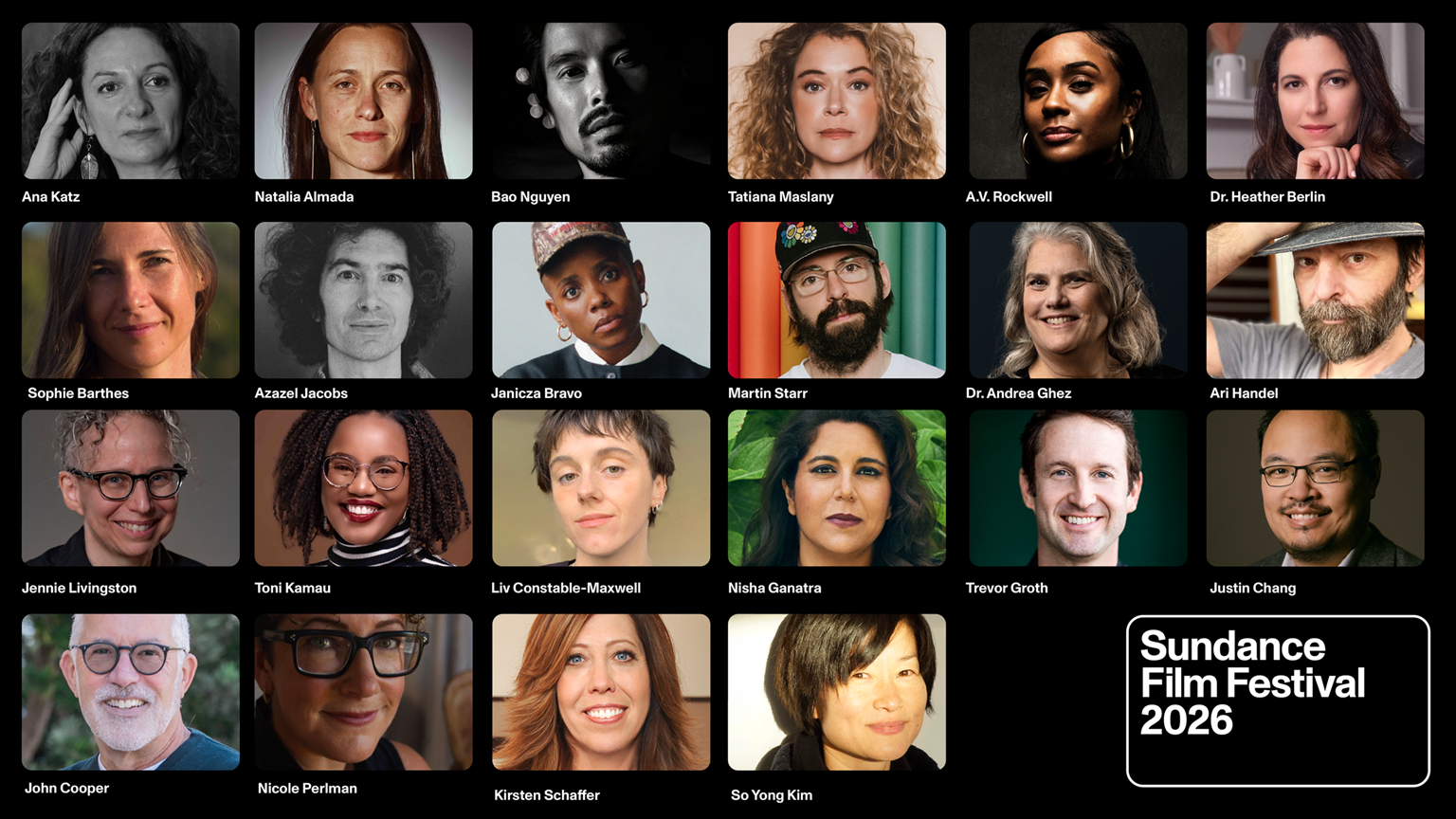
The festival’s official announcement offered a broad overview of jurors across categories, emphasizing experience in independent film and television. Rather than spotlighting a single figure, the release framed the jury as a collective with complementary perspectives. This signals continuity with Sundance’s long-standing emphasis on diversity of thought rather than dominance by a single auteur voice. Historically, similar announcements have preceded lineups that reward subtle, character-driven work.
Janicza Bravo, Nisha Ganatra and Azazel Jacobs to Lead Dramatic Jury

This report narrowed focus to the dramatic jury, highlighting leaders whose work spans indie experimentation and studio-backed projects. Observers note that such appointments often correlate with juries receptive to unconventional narrative structures. In previous years, similarly composed panels tended to elevate films that blurred genre lines. The article situates these choices within Sundance’s broader effort to stay culturally relevant without abandoning its indie roots.
Sundance Sets Juries With Tatiana Maslany, Martin Starr, Azazel Jacobs and More

By expanding the lens to include actors and filmmakers with strong television pedigrees, this coverage underscores how Sundance continues to reflect a collapsing boundary between film and TV. Past festivals have shown that juries with mixed media backgrounds often reward storytelling over format loyalty. TheWrap’s analysis frames these selections as pragmatic rather than symbolic, aligning with how audiences now consume independent work.
Sundance Film Festival Announces Its Jury

This piece contextualizes the jury announcement within the festival’s larger operational timeline. Rather than treating the news as standalone, it connects jury composition to upcoming programming milestones. Historically, such framing has helped readers anticipate the tone of premieres and awards chatter. The article avoids predictions, focusing instead on how juror backgrounds may inform deliberation styles.
Sundance Offers Free Screenings for Locals at 2026 Festival

While not directly tied to jury decisions, this local-focused initiative provides context for how Sundance balances industry influence with community engagement. Similar programs in previous years coincided with juries perceived as audience-conscious. The coverage highlights how festival culture, not just competition outcomes, shapes Sundance’s public identity.
Sundance Film Festival: Movies to Watch

Although speculative, this early look at anticipated titles reflects how jury announcements can influence expectations. Past festivals show that critics often recalibrate predictions once juries are revealed. The article implicitly demonstrates how structural news, like jury selections, feeds into broader festival narratives well before opening night.
Summary / Insights
Taken together, coverage around Sundance 2026 suggests a festival leaning into balance—between film and television, experimentation and accessibility, industry prestige and community roots. This is not the first time Sundance has used jury composition to telegraph intent; similar strategies appeared in the early 2020s as the festival adapted to a shifting media landscape. While outcomes remain unknown, the early signals point toward deliberations shaped by broad professional experience rather than narrow stylistic preference.
TL;DR
Sundance 2026’s jury announcements hint at a festival focused on inclusive perspectives and evolving storytelling norms, setting expectations without preempting results.