Why America Can’t Stop Rewinding to 2016
The phrase “2016 is back” has quietly turned into one of the most recognizable cultural refrains in the US this year. From TikTok edits and Instagram throwbacks to fashion, décor, and celebrity reposts, the year 2016 is being remembered, debated, and reinterpreted across the internet. What began as playful nostalgia is now a full-blown trend—one that reveals as much about the present moment as it does about the past.
Main Topic Overview
Across entertainment and lifestyle media, 2016 is increasingly framed as a cultural reference point: a time associated with peak social media joy, distinct fashion aesthetics, and a perceived sense of collective optimism. The trend isn’t unanimous—some voices push back hard, reminding audiences that the year also carried political turmoil and cultural fractures. Still, the volume and breadth of coverage suggest something deeper than casual reminiscing. This moment reflects how Americans are using nostalgia to process rapid change, digital fatigue, and uncertainty in the mid-2020s.
News Coverage
It’s 2026. Why Is 2016 Trending?

Vogue frames the resurgence of 2016 as a cultural mood rather than a simple trend cycle. The article traces how fashion, pop music, and online aesthetics from the mid-2010s are being revived by Gen Z and millennials alike. Rather than idealizing specific events, Vogue suggests people are responding to how 2016 felt—lighter, more ironic, and less algorithmically intense. The piece places this nostalgia within a broader pattern of cultural recycling that often accelerates during periods of social and economic uncertainty.
Is 2026 the New 2016? All About the Throwback Trend Taking Over the Internet
:max_bytes(150000):strip_icc():focal(745x413:747x415)/Ambar-Lee-Taylor-Swift-Eli-Rallo-2016-011426-tout-d502694e6ce34c7fb9ba9c3bcf091104.jpg)
People.com focuses on how the trend plays out on social platforms, highlighting creators and celebrities resharing old posts or recreating 2016-era looks. The article notes that the appeal lies in recognizability—platforms were simpler, content felt less curated, and viral moments seemed more spontaneous. At the same time, it acknowledges skepticism from those who remember the pressures and controversies of that period. The coverage emphasizes that nostalgia online often compresses complex years into easily shareable moods.
Everyone’s Looking Back on 2016 Through a Rose-Tinted Filter
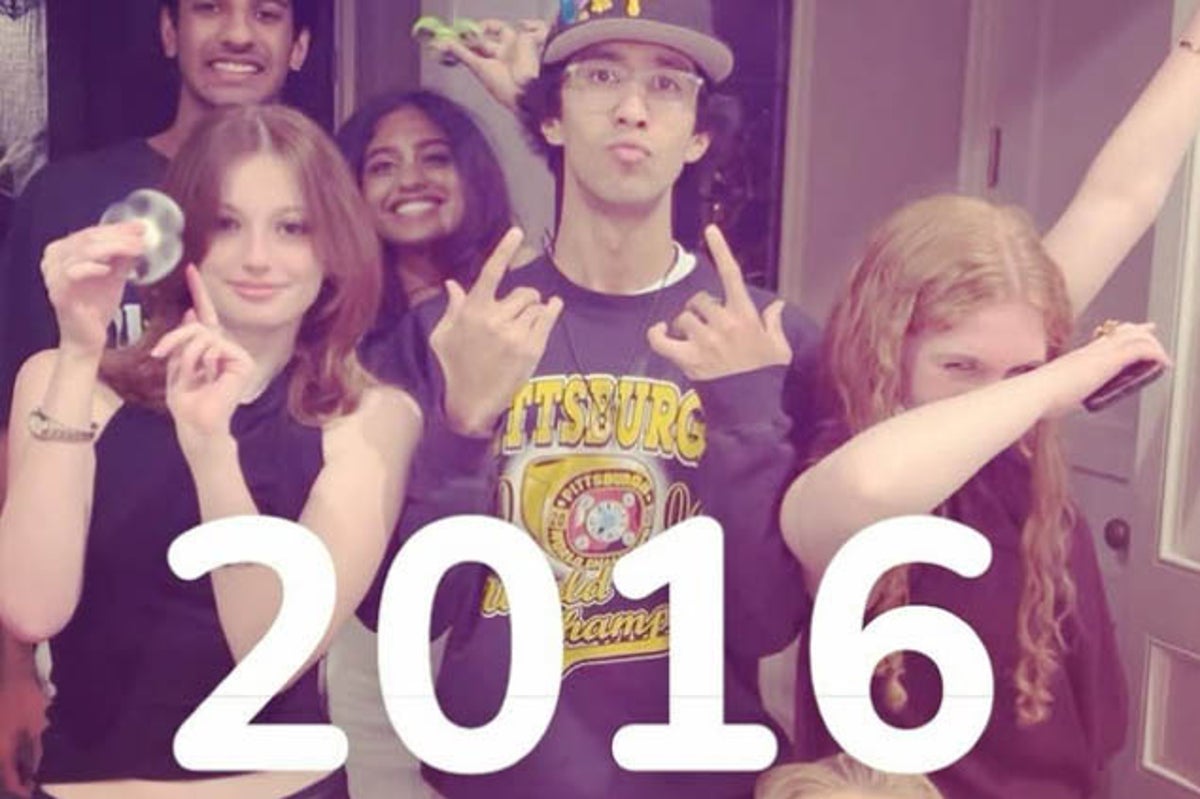
The Independent takes a more critical stance, questioning whether the fond memories of 2016 overlook the year’s darker realities. The article argues that nostalgia can flatten history, turning turbulent periods into aestheticized highlights. By pointing to political and cultural divisions that intensified during that time, it challenges readers to examine why selective memory feels comforting now. This perspective adds balance to the trend by separating emotional recall from historical context.
Why Nostalgia Is Taking Over Social Media in 2026
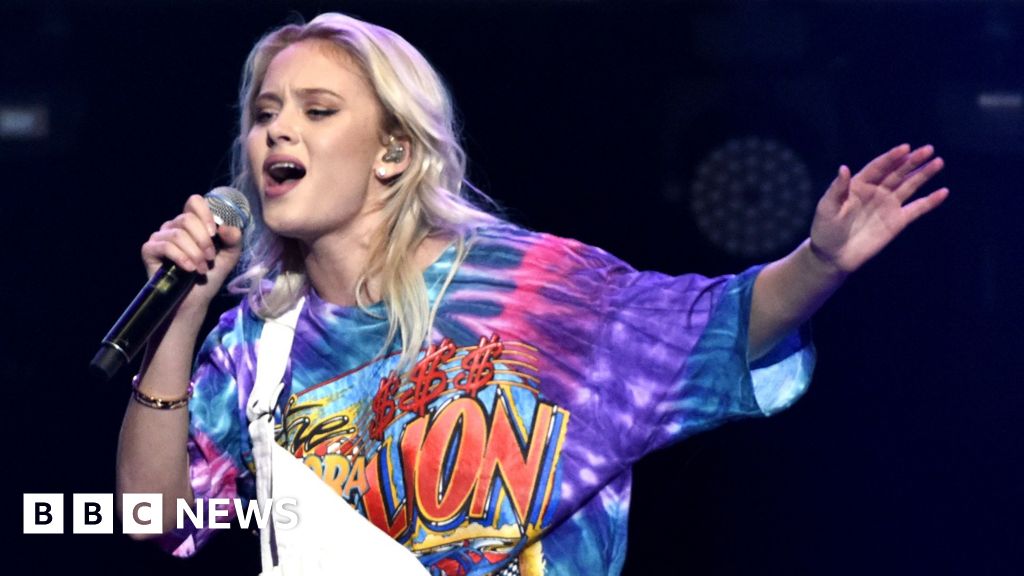
The BBC places the 2016 revival within a wider psychological and technological framework. It explains how algorithm-driven platforms amplify nostalgic content because it reliably triggers engagement. The article also connects the trend to post-pandemic behavior, suggesting users are gravitating toward familiar cultural anchors. Rather than centering on 2016 alone, the BBC positions it as one example of how digital culture cycles memory during periods of accelerated change.
Was 2016 the Last Time We Truly Felt Alive?

Glamour explores the emotional core of the trend, focusing on how people associate 2016 with personal milestones and cultural highs. The article avoids declaring the year objectively better, instead unpacking how memory reshapes experience over time. By blending pop culture references with personal reflection, it illustrates why 2016 feels emotionally accessible in ways more recent years do not. This framing underscores nostalgia as a feeling, not a verdict.
Summary / Insights
Taken together, the coverage shows that the return to 2016 is less about rewriting history and more about coping with the present. Supportive takes emphasize simplicity, creativity, and shared cultural moments, while critical voices warn against oversimplification. The trend reveals how nostalgia functions online—as comfort, critique, and conversation starter all at once. Whether the fixation fades or evolves, it highlights how Americans continue to use the past as a lens for understanding where they are now.