Major Shift in Hepatitis B Vaccine Policy: What It Means for Newborns in the US
In a landmark decision, the CDC’s advisory panel has voted to overturn the longstanding policy of administering the hepatitis B vaccine to all newborns, reflecting a significant shift in public health policy. This trend digest explores the implications of this decision, the timeline of events, and how various media outlets are covering the story.
Main Topic Overview
The recent decision by the CDC’s Advisory Committee on Immunization Practices (ACIP) to no longer universally recommend the hepatitis B vaccine for newborns marks a pivotal change in the US immunization schedule. This change has sparked discussions among healthcare professionals, parents, and policymakers regarding the balance between public health benefits and individual choice. The influence of Robert F. Kennedy Jr., a known vaccine skeptic, on the panel adds another layer of complexity to the narrative.
News Coverage
CDC advisers vote to overturn decades-long policy on hepatitis B vaccine for infants

NPR reports that the CDC's decision to change the hepatitis B vaccination policy for newborns is a significant departure from previous guidelines, which recommended the shot at birth to protect against the virus. The advisory panel's vote reflects ongoing debates about vaccine safety and efficacy, further complicated by the involvement of RFK Jr., whose views on vaccines have been controversial. This decision may impact future public health strategies and parental decision-making.
CDC panel makes most sweeping revision to child vaccine schedule under RFK Jr.

The Washington Post highlights the unprecedented nature of the CDC’s decision to alter the childhood vaccination schedule. The influence of RFK Jr. on the panel is noted as a significant factor, as his advocacy for changing vaccine policies has previously faced strong opposition from the medical community. This decision is seen as a test of the CDC’s responsiveness to public concerns versus scientific evidence, with potential implications for public trust in health recommendations.
CDC advisory panel expected to vote on hepatitis B vaccine for newborns
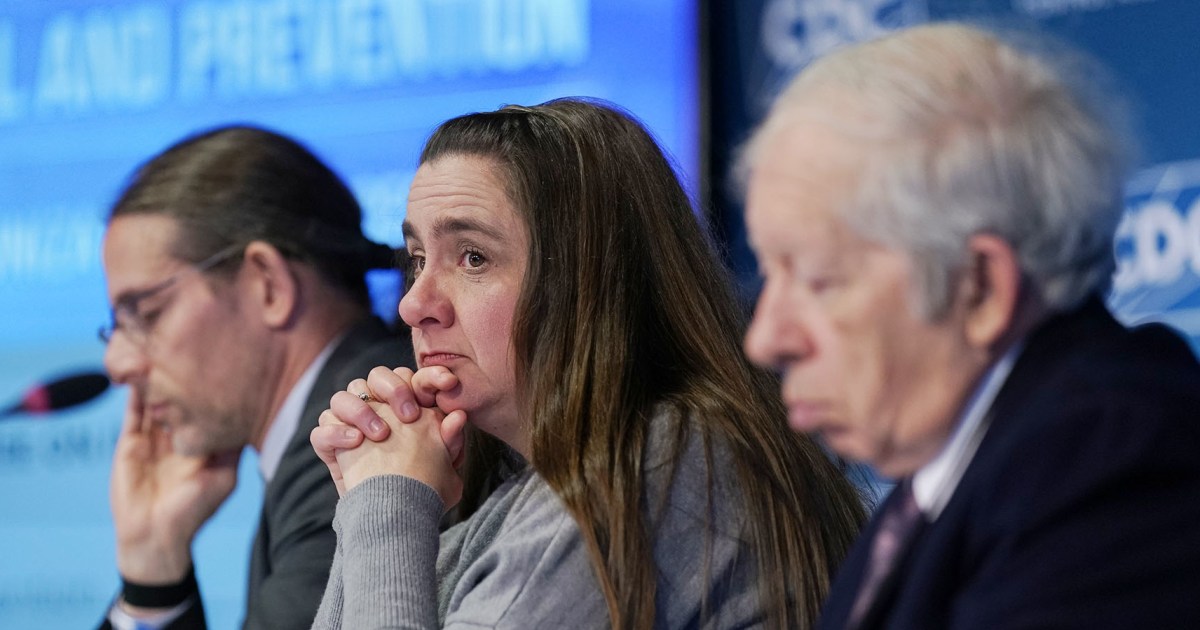
NBC News provides an overview of the expectations surrounding the CDC’s vote on the hepatitis B vaccine for newborns. The article discusses the controversy and public interest preceding the decision, noting RFK Jr.'s active role in advocating for changes. The potential implications for vaccination policy and public health strategies are explored, with a focus on how this decision reflects broader debates about vaccine mandates and parental choice.
Video CDC vaccine panel votes to remove universal hepatitis B birth dose recommendation
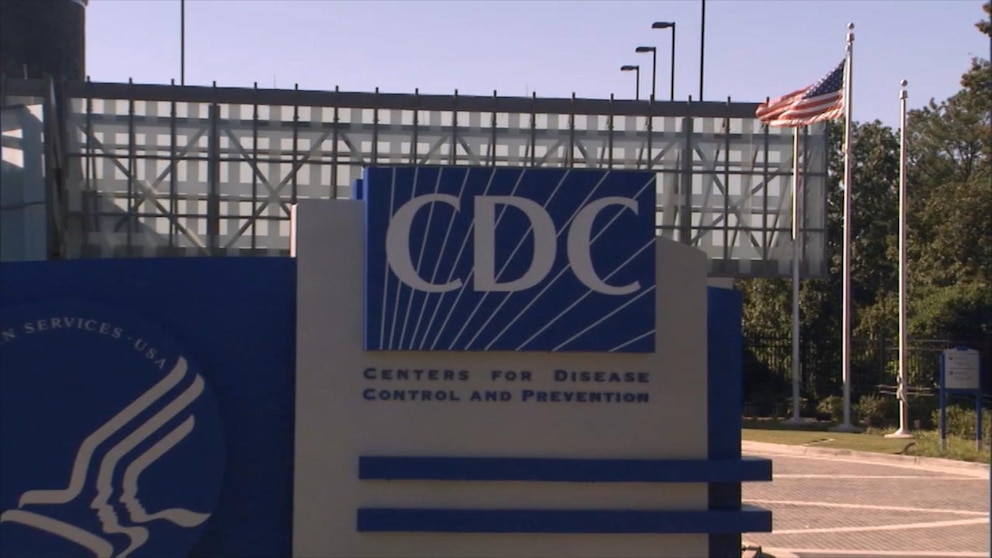
ABC News reports on the CDC's decision to eliminate the universal recommendation for the hepatitis B vaccine at birth. This video coverage highlights the contentious discussions and the rationale presented by the advisory committee, including concerns about vaccine safety and individual rights. The decision is poised to influence both public perception and healthcare practices, especially in the context of RFK Jr.'s involvement in the panel.
Summary / Insights
The CDC's decision to revise the hepatitis B vaccine guidelines for newborns represents a substantial shift in public health policy, with potential ripple effects on future vaccination strategies. This change has been met with mixed reactions, highlighting ongoing tensions between public health mandates and personal choice. The involvement of RFK Jr. as a prominent figure in these discussions underscores the complex interplay of science, politics, and public opinion in shaping health policies. As the media continues to cover this story, the focus remains on understanding the broader implications for public health and trust in medical recommendations.