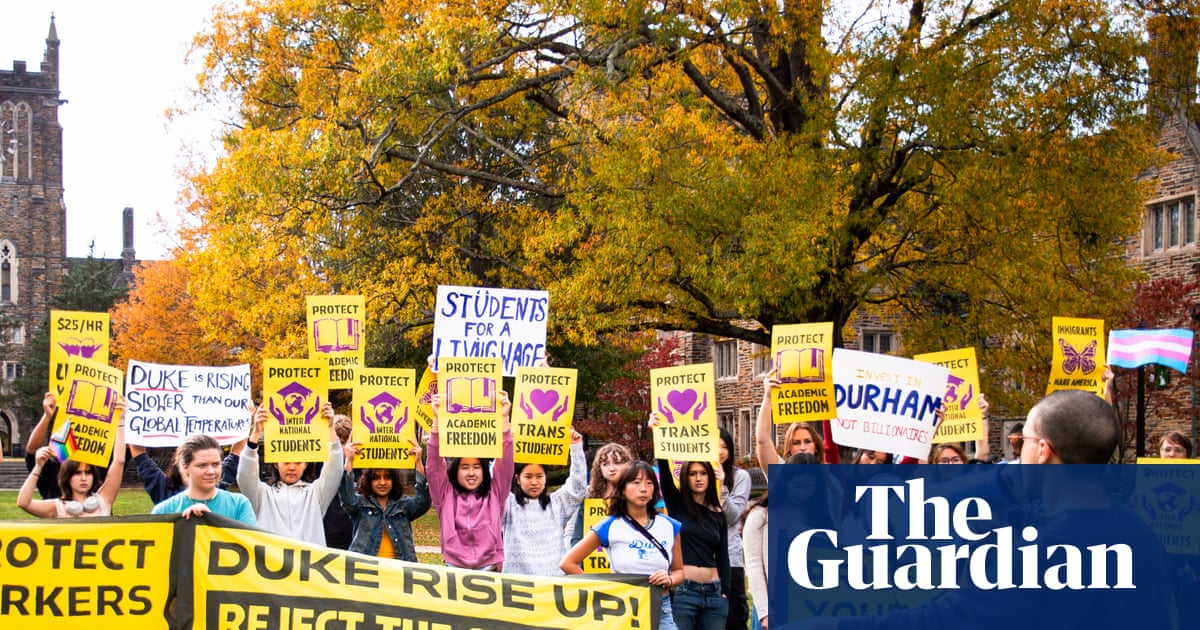
U.S. Universities Resist Trump’s Federal Education Compact Amid Nationwide Protests
Across more than 100 campuses in the United States, students and faculty are uniting in protest against the Trump administration’s proposed Federal Higher Education Compact, which critics say threatens academic freedom and university autonomy. As university leaders debate whether to sign, the compact has become a flashpoint in the broader struggle over the role of politics in education.
Main Topic Overview
The proposed federal compact outlines a set of conditions for universities to receive federal funding—linking it to mandates on free speech, curriculum transparency, and accountability measures. Supporters argue it will restore balance and ensure taxpayer oversight of institutions they view as politically biased. Opponents, however, warn it could undermine academic independence and impose political conformity. This digest explores how the debate is unfolding nationwide—from campus demonstrations to administrative pushback—and what it reveals about the growing tension between higher education and federal power.
News Coverage
Students and faculty at over 100 US universities protest against Trump’s attacks

The Guardian reported large-scale protests at over 100 universities, where demonstrators condemned what they called federal overreach in academic affairs. The marches, organized by student unions and faculty associations, emphasized solidarity across campuses from California to New York. Protesters argued that the compact represents an attempt to politicize education and restrict free inquiry, while administration officials defended it as a bid for fairness and ideological balance.
Chancellor says UNC won’t sign Trump’s higher education compact ‘as written’
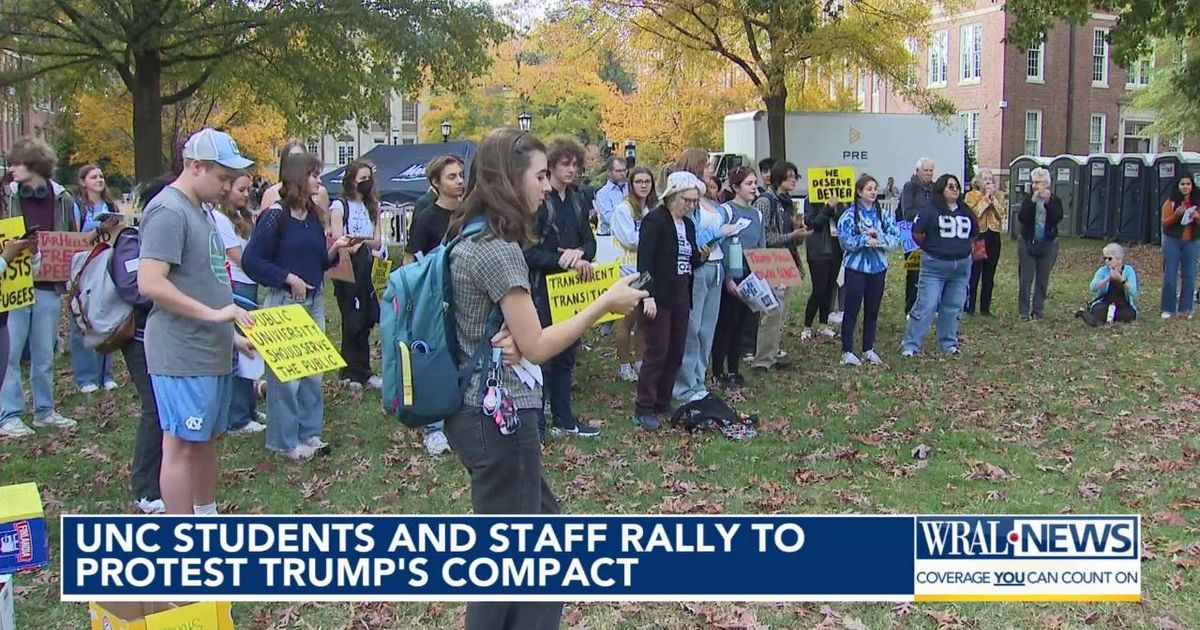
WRAL reported that the University of North Carolina at Chapel Hill’s Chancellor announced the institution would not sign the compact “as written,” citing conflicts with academic principles. The decision, widely praised by faculty, reflects a cautious stance among state universities wary of federal interference. The move signaled that even schools traditionally aligned with public policy priorities are asserting independence in defining educational standards.
Ohio State students, faculty demand university oppose the Trump college compact

The Columbus Dispatch covered growing unrest at Ohio State University, where students and faculty jointly petitioned administrators to reject the Trump-backed pledge. Protesters framed their opposition around academic freedom and inclusivity, claiming the compact risks censoring faculty research and limiting campus activism. The university administration has yet to issue a final position, reflecting the tension between compliance pressures and public backlash.
Bloomington Faculty Council urges IU to reject Trump’s higher education compact
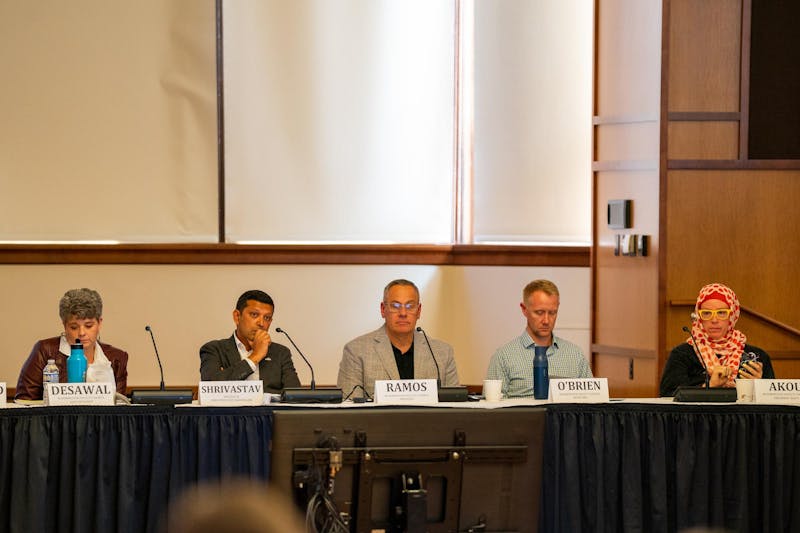
The Indiana Daily Student reported that the Bloomington Faculty Council formally called on Indiana University to decline the federal compact. Faculty representatives described it as incompatible with the university’s commitment to research independence. The statement emphasized the importance of academic self-governance and sparked discussions across Big Ten schools about collective resistance to federal directives in education policy.
University of Alaska unions ask regents not to sign federal higher ed compact
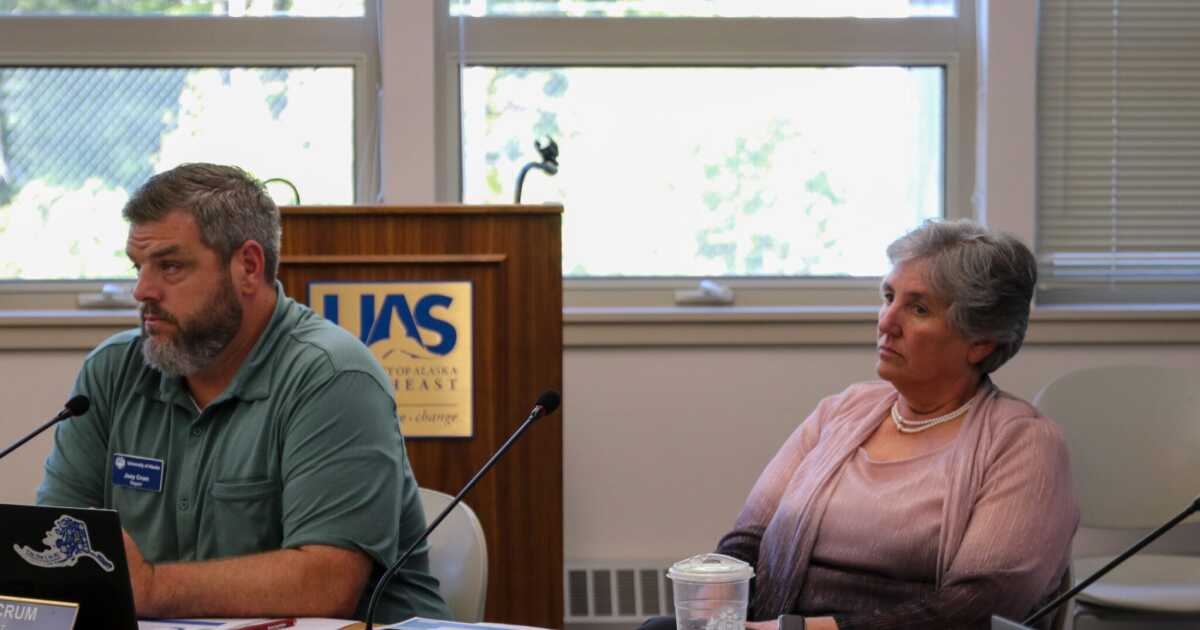
Alaska Public Media reported that faculty and staff unions at the University of Alaska petitioned the Board of Regents to reject the compact, citing risks to academic governance. The unions expressed concerns that federal compliance could impose ideological filters on hiring and teaching. The debate also reignited Alaska’s long-standing discussion about funding autonomy in remote and rural education systems.
Trump’s college compact identified problems in higher ed. But experts fault its approach.

Inquirer.com provided a nuanced analysis of the compact, acknowledging that it highlights legitimate challenges in higher education—such as affordability and ideological polarization—but criticizing its methods as heavy-handed. Experts cited potential First Amendment conflicts and warned that compliance mechanisms could stifle institutional diversity and innovation.
The Proposed Federal Compact With Universities: Terms, Tradeoffs and Implications

Law.com examined the compact from a legal perspective, outlining its potential effects on university funding agreements and compliance burdens. The article explained that federal accountability clauses could force universities to disclose data on hiring, funding, and campus speech—raising privacy and governance concerns. The piece concluded that while reform is necessary, the compact’s structure may create more conflict than consensus.
Summary / Insights
The unfolding protests over Trump’s higher education compact reflect a deeper ideological divide over who controls American academia. From faculty councils to student coalitions, resistance has united diverse voices around academic independence and civil liberties. Supporters frame the initiative as accountability; opponents see it as coercion. As institutions deliberate, the debate has already reshaped the national discourse on free speech, governance, and the future of higher education.
Internal link: none yet