The Insurrection Act Returns to the Spotlight: Why 1992 Keeps Coming Up in 2026
In mid-January 2026, a familiar but rarely used law surged back into the national conversation: the Insurrection Act. Sparked by protests and violent incidents linked to federal immigration enforcement activity in Minneapolis, President Donald Trump publicly raised the possibility of invoking the act. Almost immediately, public debate reached back more than three decades, repeatedly referencing 1992—the last time the Insurrection Act was fully deployed in a modern urban crisis. This digest unpacks what the law is, why 1992 matters, and how current events are reviving long-standing constitutional questions.
Main Topic Overview
The Insurrection Act allows the president to deploy federal troops within the United States under specific circumstances, typically when state authorities are unable or unwilling to protect constitutional rights or restore order. Though embedded in U.S. law since the early 19th century, it has been used sparingly. The most frequently cited modern precedent is 1992, when President George H.W. Bush invoked the act during the Los Angeles unrest following the Rodney King verdict. That moment has since become the benchmark for assessing when federal military intervention is legally and politically justified.
In 2026, renewed unrest tied to Immigration and Customs Enforcement (ICE) operations has brought the act back into public focus. While no formal invocation has occurred, repeated references by the president and senior officials have triggered widespread analysis from media outlets, legal scholars, and political actors across the spectrum.
News Coverage
Trump threatens to use the Insurrection Act to end protests in Minneapolis
AP News framed the president’s remarks as a response to escalating protests and shootings linked to ICE activity in Minneapolis. The article emphasized that the Insurrection Act had not yet been invoked, but noted that even the threat carries historical weight. By referencing 1992, the coverage highlighted how rarely presidents have crossed the threshold of federal troop deployment. The piece also underscored uncertainty around whether current conditions meet the legal standard established by past uses.
Trump threatens to use Insurrection Act in Minnesota in response to ICE protests

The Guardian placed the Minneapolis situation within a broader political narrative, focusing on reactions from civil liberties groups and Democratic officials. The article revisited the 1992 Los Angeles deployment, contrasting it with the current reliance on state and local law enforcement. By doing so, it raised questions about proportionality and precedent, while stopping short of predicting whether federal intervention would occur.
White House blames Democrats for ICE violence as Minneapolis erupts, Insurrection Act threat looms
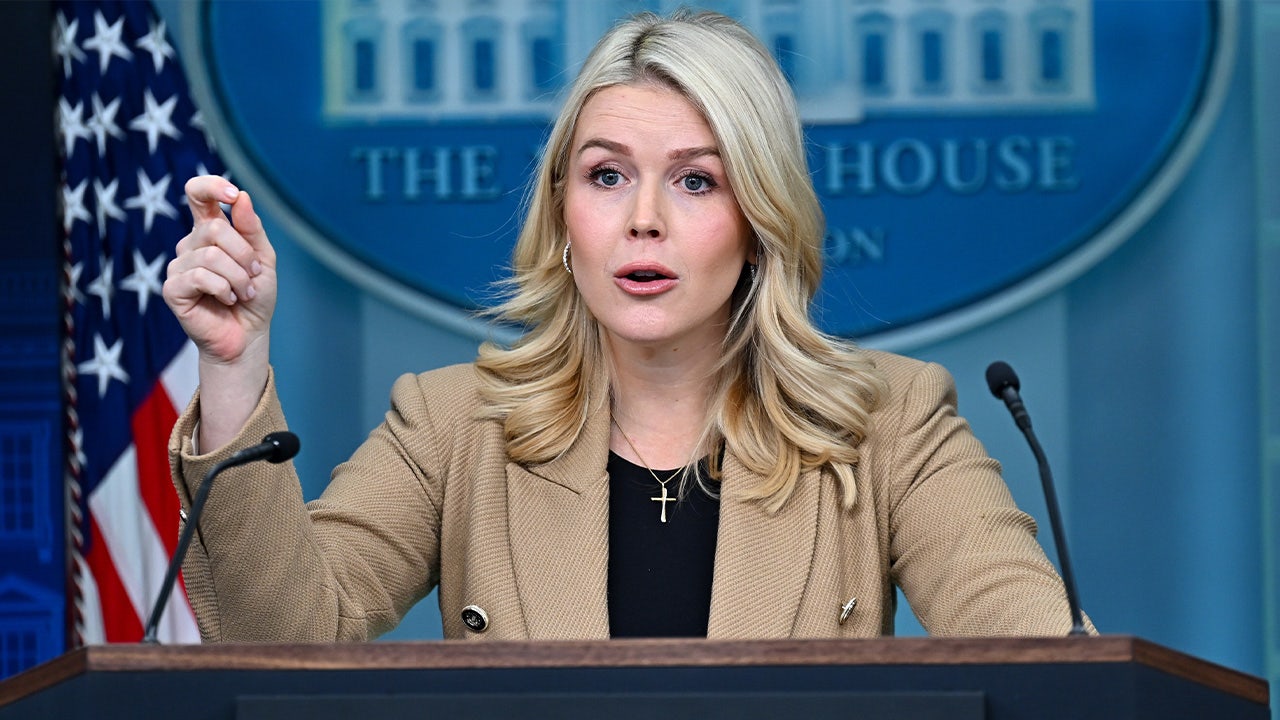
Fox News centered its reporting on statements from the White House, emphasizing political accountability and public safety concerns. The Insurrection Act was presented as a tool available to the administration if unrest continued. Historical references to 1992 were used to argue that federal intervention has precedent during moments of widespread disorder, reinforcing the administration’s position without asserting that invocation was inevitable.
Video: Trump threatens to invoke Insurrection Act in Minnesota
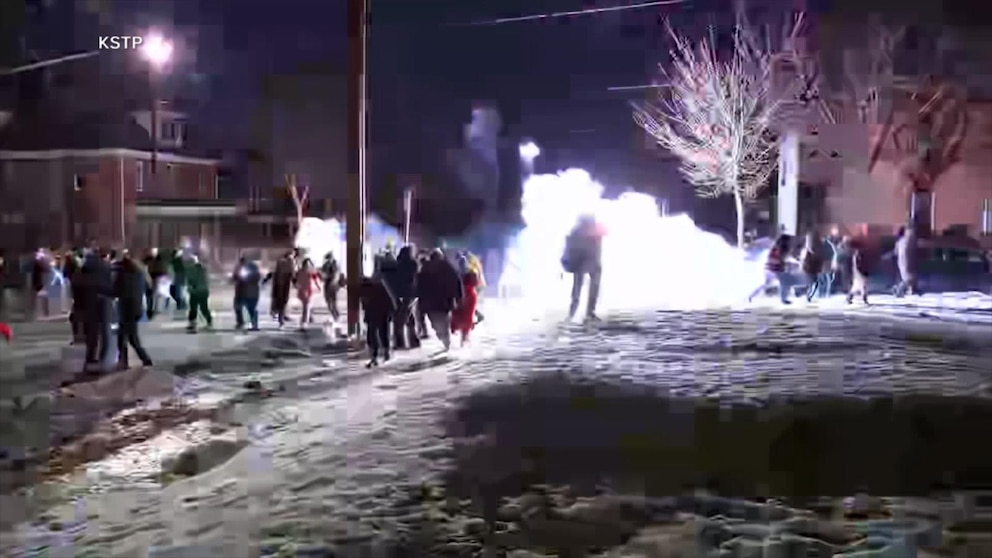
ABC News focused on the visual and rhetorical impact of the president’s remarks, highlighting how quickly references to the Insurrection Act resonate with audiences. The segment explained the law’s basic framework and revisited 1992 as a case study. By pairing historical footage with current statements, the coverage illustrated how memories of past unrest shape present-day reactions.
What is the Insurrection Act? When was it last invoked? The history after Trump's latest threat

This explainer-style piece traced the law’s origins and highlighted 1992 as the most relevant modern example. By outlining the legal steps required for invocation, the article clarified misconceptions circulating online. It positioned current events as part of a recurring cycle in which the act re-enters public debate during periods of unrest, even if it is ultimately not used.
Trump threatened to invoke the Insurrection Act (again). What is it?
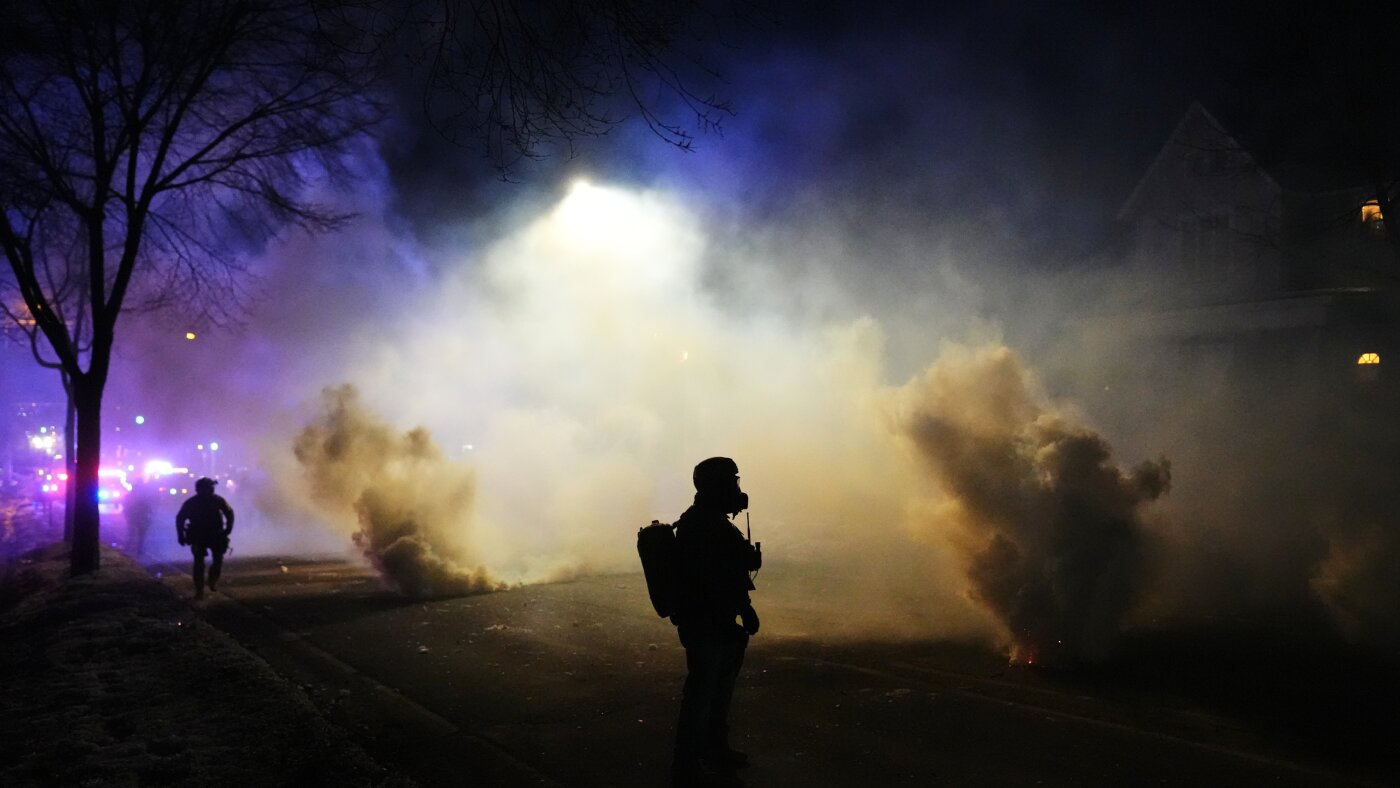
NPR approached the topic through legal analysis, interviewing scholars who emphasized the gap between rhetoric and action. The report compared 2026 with 1992, noting differences in scale, governance, and public trust. By contextualizing the threat within decades of restraint, it suggested that the act’s power lies as much in its symbolism as in its actual deployment.
Summary / Insights
Across outlets, one theme is consistent: 1992 remains the central reference point for understanding the Insurrection Act. While political perspectives differ, coverage converges on the idea that invoking the law is extraordinary and historically rare. The Minneapolis unrest has revived questions about federal authority, state responsibility, and the threshold for military involvement. Whether or not the act is ultimately invoked, its reappearance in national discourse highlights unresolved tensions between security, civil liberties, and executive power.
TL;DR
The Insurrection Act is back in the news as protests in Minneapolis prompt presidential threats of federal intervention. Media coverage repeatedly points to 1992 as the last major precedent, underscoring how unusual such a move would be today.