
The Supreme Court Tariff Ruling: Why a Narrow Decision Carries Outsized Economic Stakes
The U.S. Supreme Court’s long-awaited engagement with legal challenges to former President Donald Trump’s tariffs has triggered intense scrutiny far beyond the courtroom. At issue is not only whether importers could see refunds, but how much authority future presidents may wield over trade—and what that means for supply chains, inflation, and global commerce. This digest unpacks the ruling moment, the surrounding legal uncertainty, and why freight volumes and trade behavior are hanging in the balance.
Main Topic Overview
Tariffs imposed during the Trump administration reshaped U.S. trade flows, particularly under national security justifications. While lower courts have wrestled with their legality, the Supreme Court’s involvement signals how far judicial review may extend into executive trade authority. Observers note this is not the first time tariff powers have faced scrutiny; similar tensions appeared during past trade disputes, but rarely with stakes this high for modern, globally integrated logistics.
News Coverage
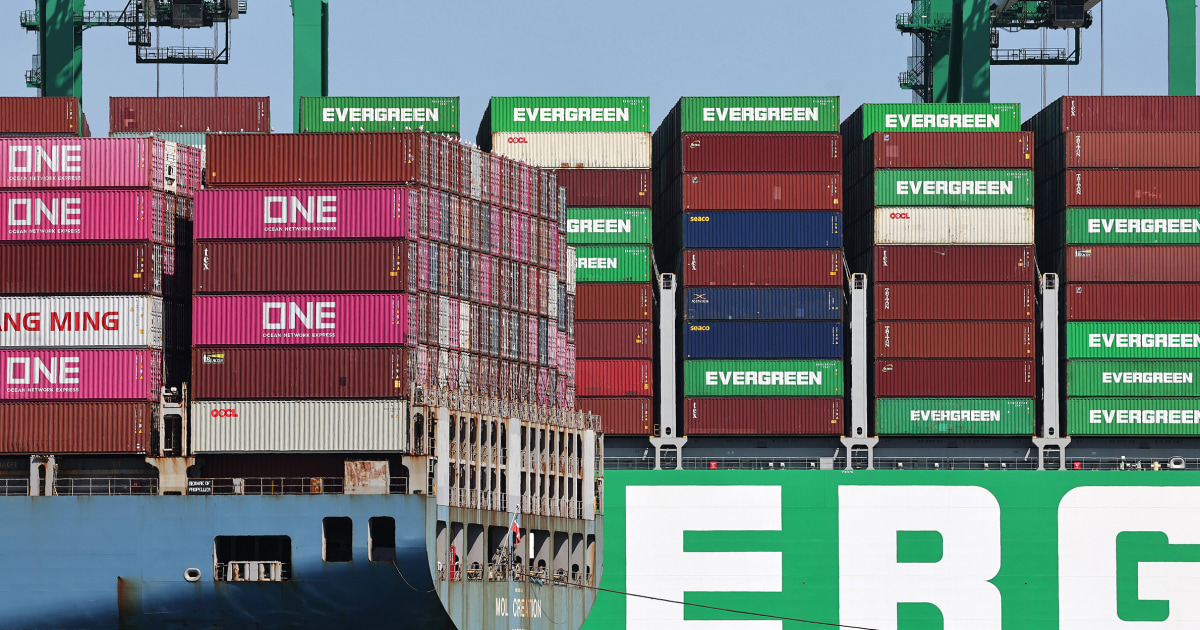
Supreme Court tariff ruling: It's not just about refunds. Volume of U.S. freight trade could hinge on decision

CNBC frames the ruling as an inflection point for freight and logistics rather than a narrow legal dispute. Analysts quoted emphasize that uncertainty itself has already altered shipping volumes, as companies delay contracts and reroute supply chains. Historically, similar pauses occurred during earlier tariff battles, but the scale today is larger due to tighter margins and just-in-time logistics. The article links legal clarity—or lack of it—directly to decisions made daily by importers and carriers.
U.S. Supreme Court does not rule on legality of Trump’s tariffs

This coverage highlights restraint rather than resolution. By sidestepping a definitive ruling on legality, the Court effectively preserves the status quo while lower courts continue grappling with challenges. Legal scholars note that such avoidance has precedent, often signaling institutional caution. The outcome leaves businesses without a clear signal, reinforcing the broader theme of prolonged uncertainty shaping trade behavior.
US supreme court could issue ruling on legal challenge to Trump’s tariffs today – live

The Guardian’s live coverage underscores the political and legal anticipation surrounding the Court’s move. By situating the tariff case alongside other high-profile disputes, the piece suggests a broader judicial moment. Past live rulings on economic powers often reverberated quickly through markets, and this framing reinforces why even procedural decisions matter. The article connects the legal timeline with immediate political reactions.
What time is Supreme Court tariff ruling today? SCOTUS tariffs, stream
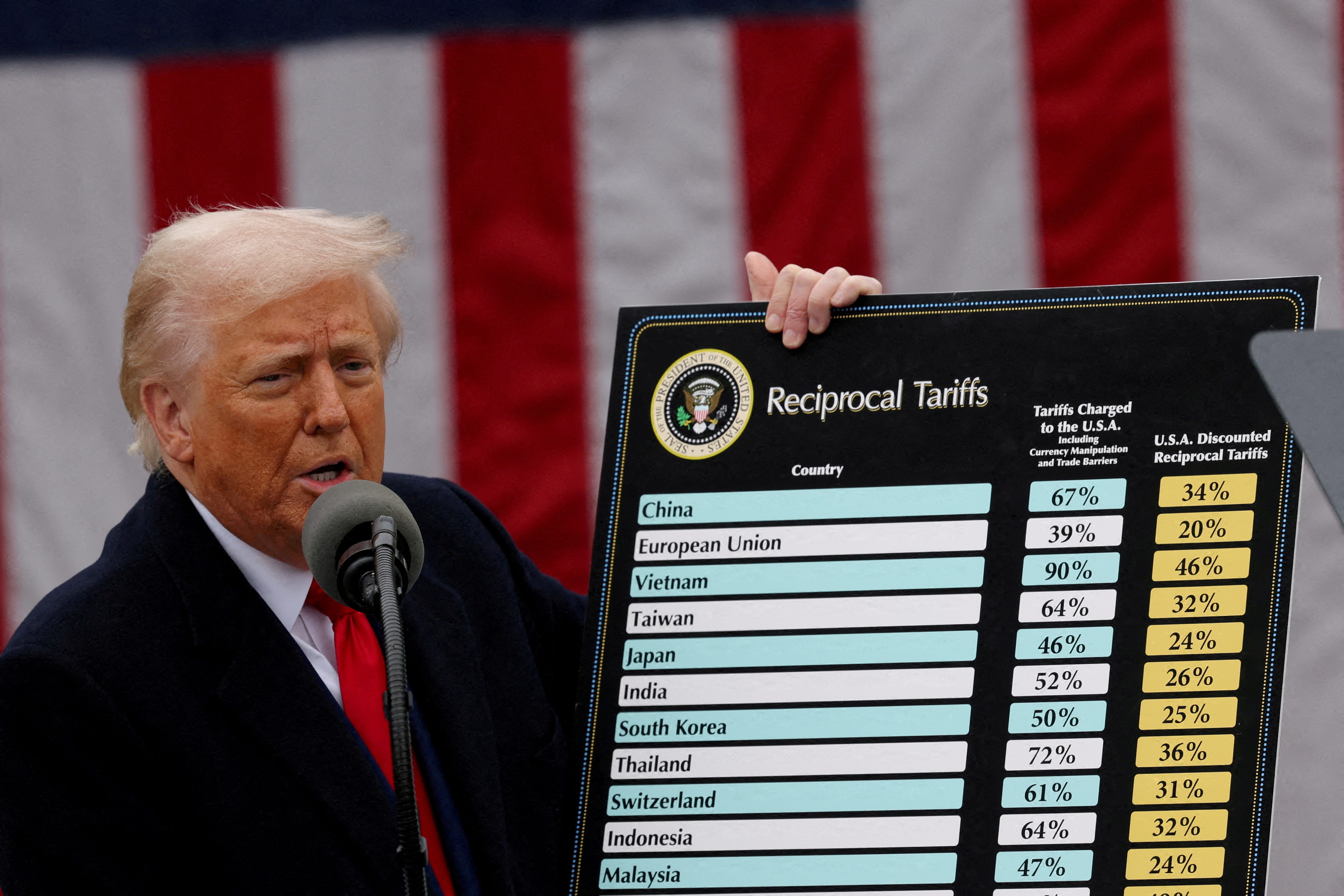
This piece focuses on public accessibility and timing, reflecting widespread interest beyond legal circles. The practical framing signals how tariff decisions have entered mainstream economic concern. Historically, few trade cases attracted this level of real-time attention. The coverage illustrates how the ruling’s implications resonate with consumers tracking prices and availability.
Supreme Court weighs Trump's trade authority in tariff showdown

KOMO centers on executive authority, noting arguments that expansive tariff powers could set enduring precedents. Similar debates emerged during earlier national security tariff cases, but this instance tests modern limits. The analysis balances concerns raised by critics with defenses offered by supporters of broad presidential discretion. The focus remains on institutional power rather than political outcomes.
Trump warns of 'mess' if Supreme Court rules against tariffs
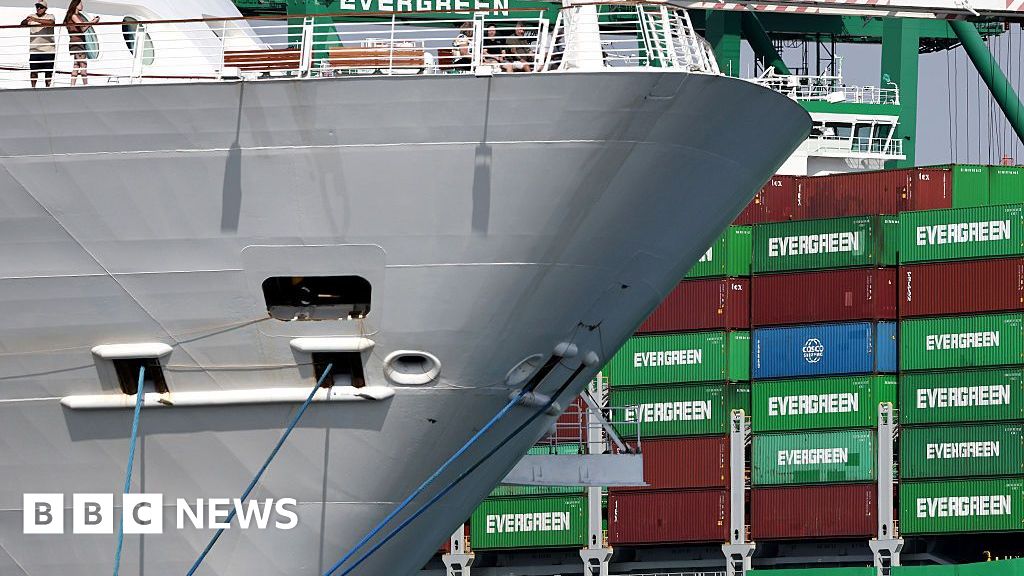
The BBC reports on former President Trump’s warnings, contextualizing them within his broader trade narrative. Such rhetoric mirrors past moments when legal constraints were portrayed as economic risks. The article avoids endorsing the claim, instead situating it among reactions from multiple stakeholders. This balance reinforces the uncertainty surrounding potential outcomes.
'WE'RE SCREWED': Trump warns of crisis if SCOTUS rules against tariffs
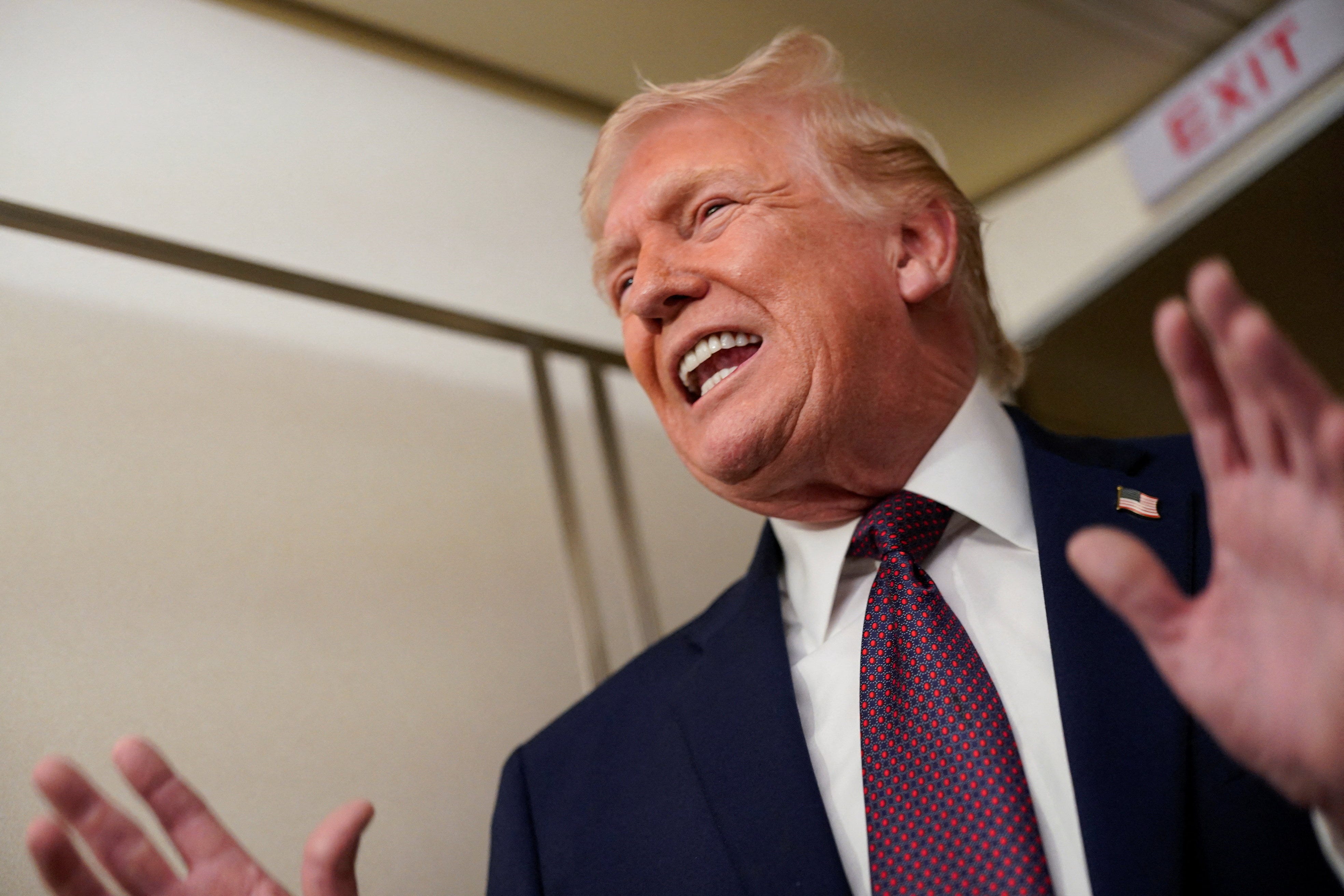
USA Today expands on the warning by examining economic counterarguments. Experts cited suggest markets have already adapted to tariff uncertainty, complicating claims of immediate crisis. The piece draws on earlier episodes where dire predictions did not fully materialize. This juxtaposition highlights diverging interpretations of risk.
The Supreme Court has delayed direct conflict with Trump, but history suggests that will soon change
NBC News places the tariff case within a longer arc of judicial-executive tension. Past Supreme Court terms show patterns of delay before eventual confrontation. By comparing previous disputes, the article suggests the current pause may be temporary. This historical framing adds depth to the immediate news cycle.
Summary / Insights
Across coverage, a common thread emerges: uncertainty. Whether focused on freight volumes, executive authority, or political reaction, each angle points to unresolved questions shaping economic behavior. Historically, tariff disputes have taken years to fully settle, suggesting near-term ambiguity may persist. The Supreme Court’s cautious approach keeps multiple paths open, leaving businesses, policymakers, and courts to navigate the implications.
TL;DR: The Supreme Court’s limited engagement with Trump-era tariffs avoids immediate resolution but carries significant economic and legal consequences, with uncertainty itself becoming the defining factor.