Westminster Mall’s Afterlife: How a Shuttered Landmark Became a Flashpoint for Vandalism and Public Debate
Once a familiar retail anchor in Orange County, Westminster Mall has taken on a very different identity since closing its doors. In recent weeks, the abandoned complex has reentered public conversation after a wave of vandalism, arrests, and renewed scrutiny over what happens when major commercial spaces fall silent. The story unfolding here is not just about broken glass and graffiti, but about urban transition, policing, and the unresolved future of aging malls across the United States.
Main Topic Overview
Westminster Mall shut down amid broader struggles facing traditional shopping centers, including declining foot traffic, shifts to online retail, and changing consumer habits. Since its closure, the vacant property has become a magnet for trespassing and vandalism, prompting repeated police responses and raising concerns among nearby residents and officials. This pattern echoes similar situations seen nationwide, where large abandoned malls quickly transform from economic hubs into costly public safety challenges.
This isn’t the first time a closed mall has drawn attention for the wrong reasons. Previously, communities from the Midwest to Southern California have faced comparable cycles: closure, neglect, vandalism, and eventually redevelopment debates. Westminster Mall now appears to be entering that same contested middle phase, where the past use is gone but the future remains uncertain.
News Coverage
Shuttered Westminster Mall targeted by vandals
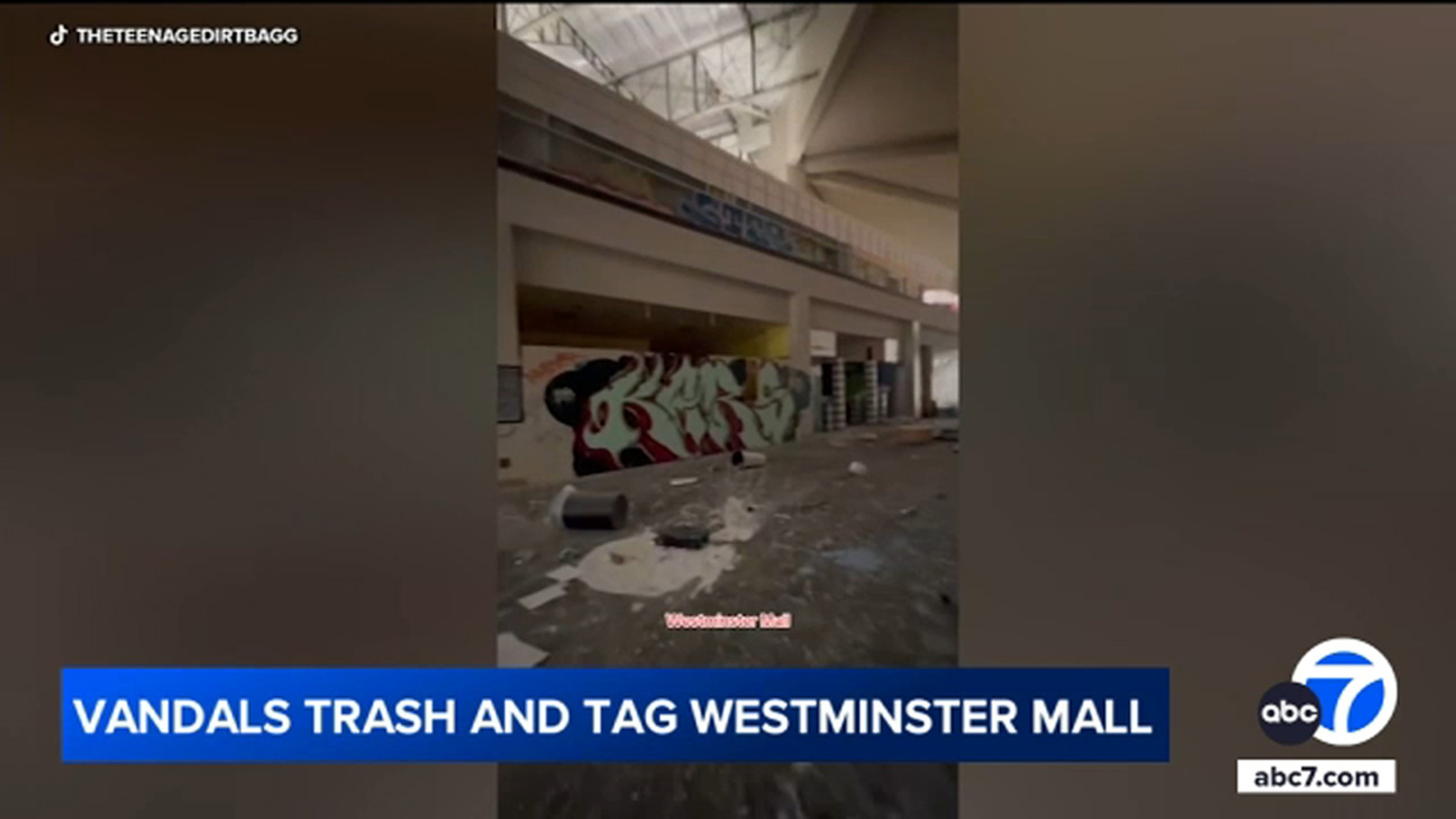
Local television coverage highlighted the visible damage spreading across the closed mall, from shattered storefronts to spray-painted walls. Officials described the property as increasingly difficult to secure, noting that its size and multiple access points complicate enforcement. The report situates the vandalism within a broader timeline of repeated incidents rather than a single isolated event. By framing the mall as both a victim of neglect and a challenge for city resources, the story underscores why the issue has escalated so quickly.
Shuttered Westminster Mall interior has been defaced and vandalized

This report focuses on the interior damage, describing spaces that were once polished retail corridors now covered in debris and graffiti. The analysis points out that interior vandalism often signals prolonged unauthorized access, suggesting the site has been compromised for some time. By documenting the extent of destruction inside the building, the coverage adds weight to arguments that passive monitoring is no longer sufficient. It also raises questions about liability and responsibility while redevelopment plans remain unresolved.
Arrests Made After Vandals Leave OC Mall Almost Unrecognizable

Patch reports that dozens of arrests followed a particularly severe vandalism episode, shifting the narrative from property damage to law enforcement response. The article emphasizes the scale of police action, suggesting a turning point in how authorities are handling the site. Rather than focusing solely on visual damage, the piece frames the arrests as part of a deterrence strategy. This perspective highlights how enforcement becomes more visible once a property is labeled a recurring problem area.
Abandoned Westminster Mall draws vandalism and over police calls since closing
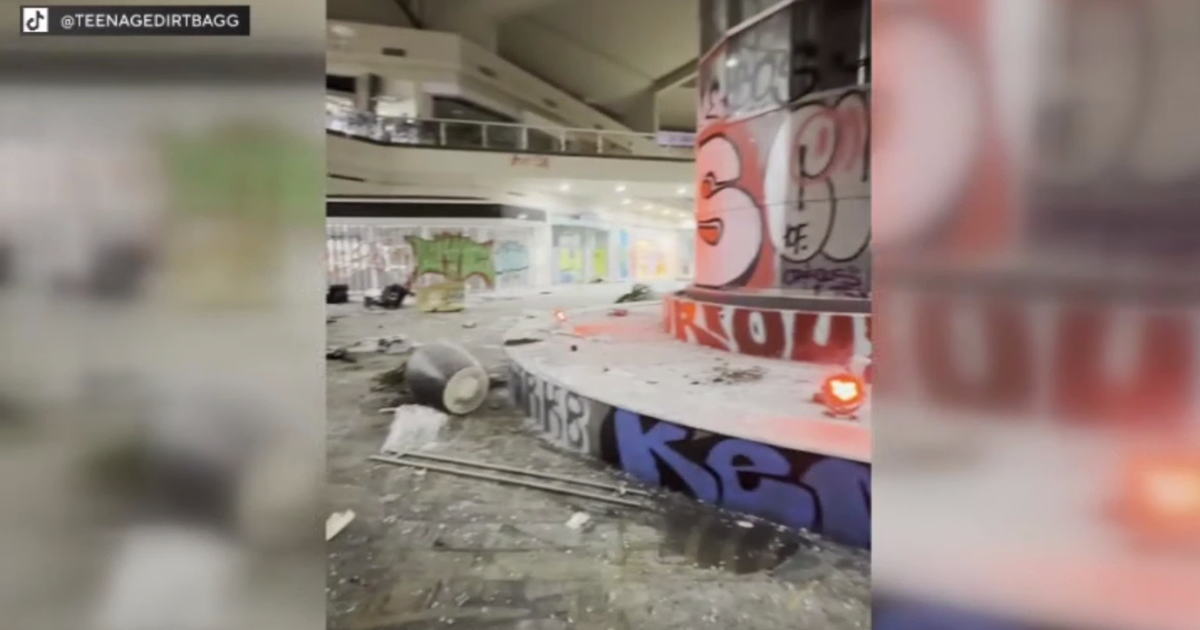
CBS News places the mall within a timeline of escalating police calls since its closure, providing numerical context that earlier reports only implied. The story suggests that repeated responses strain local resources while offering limited long-term solutions. By tracing how quickly incidents accumulated after the mall shut down, the coverage connects the current situation to structural issues in managing large vacant properties. It reinforces the idea that abandonment itself can accelerate disorder.
Shocking images show post-apocalyptic Calif. mall overrun by vandals — cops were called over times in months

The tabloid framing relies heavily on dramatic imagery, portraying the mall as a symbol of urban decay. While the tone is more sensational, the underlying facts align with other reports about frequent police calls and extensive damage. This contrast illustrates how the same event can be framed differently depending on editorial style. It also shows how visual narratives can amplify public perception of decline, regardless of policy discussions happening behind the scenes.
Video shows empty Westminster Mall overtaken by vandalism
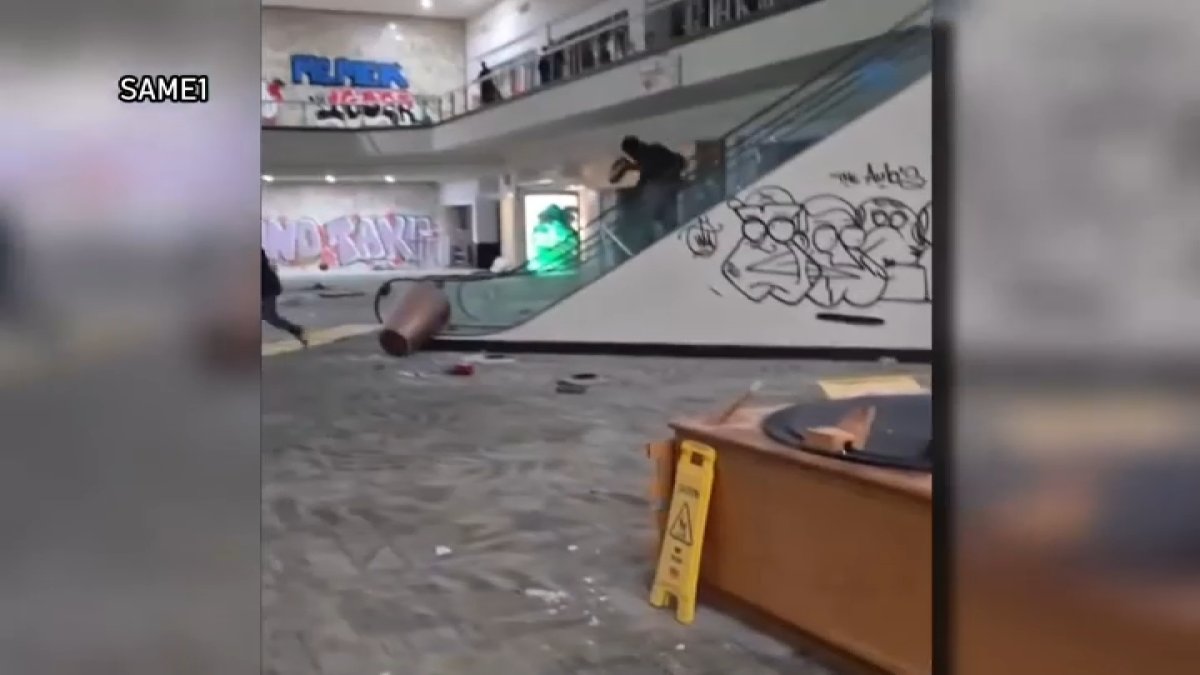
NBC’s video-centered report provides a walkthrough perspective, making the scale of damage easier to grasp. The footage functions as documentation rather than commentary, allowing viewers to draw their own conclusions. By emphasizing emptiness and silence, the piece subtly contrasts the mall’s former role as a community space with its current state. This visual evidence strengthens calls for a clearer plan for the property’s future.
Is Fall of the Mall just the start?

This commentary-style piece steps back from individual incidents to ask broader questions about the decline of malls as a model. It places Westminster within a national pattern, suggesting the vandalism may be a symptom rather than the root problem. By referencing earlier retail downturns, the article links current events to long-term economic shifts. The analysis broadens the conversation beyond policing toward redevelopment and urban planning.
Police arrest more people at Westminster Mall hours after denouncing vandalism at vacant property
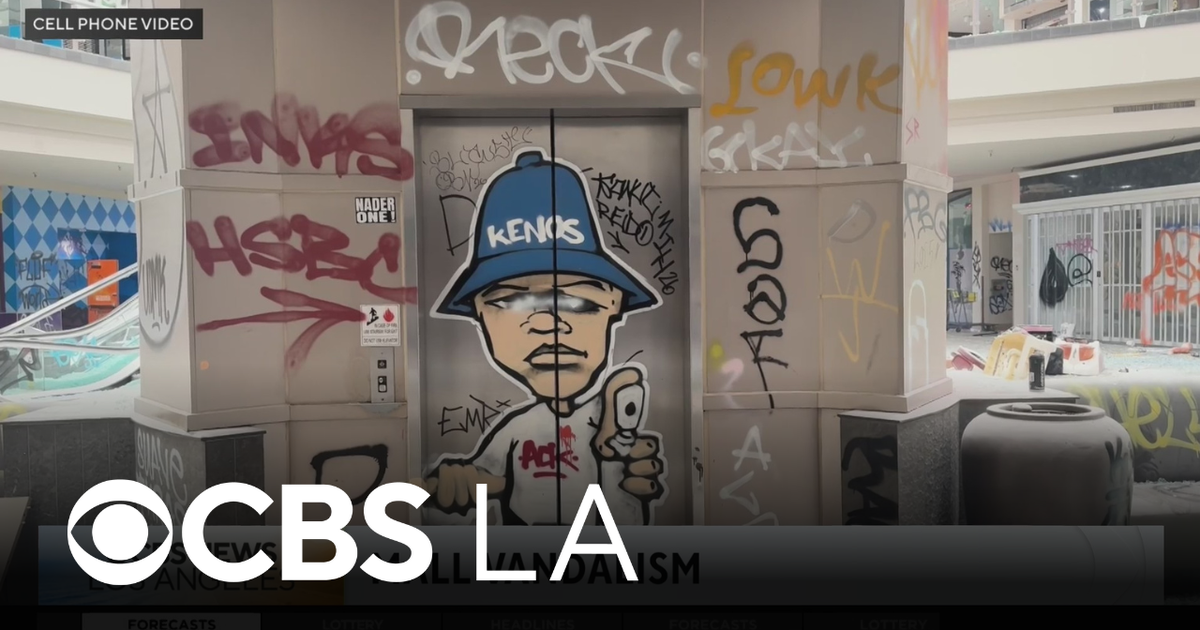
In a follow-up, CBS News reports additional arrests shortly after officials publicly condemned the vandalism. The timing suggests an effort to demonstrate swift action and accountability. This development reinforces the narrative that enforcement has intensified as scrutiny grows. It also highlights the challenge of balancing public statements with sustained, long-term solutions.
Summary / Insights
Taken together, the coverage shows Westminster Mall at a crossroads familiar to many American communities. Vandalism and arrests dominate headlines, but beneath them lies a deeper question about how cities manage large commercial spaces after their economic purpose fades. Different outlets emphasize damage, enforcement, or symbolism, yet all point to the same unresolved issue: vacancy without a clear transition plan tends to invite disorder.
Looking ahead, similar cases suggest outcomes usually hinge on redevelopment timelines and interim security strategies. Whether Westminster Mall becomes a cautionary tale or a catalyst for reinvention will likely depend on decisions made well beyond the current news cycle.