Why Qatar Suddenly Matters More in Washington’s Middle East Calculus
In mid-January, a cluster of urgent headlines pulled Qatar back into the center of U.S. foreign policy attention. Reports of American personnel being reduced or temporarily evacuated from a major U.S. air base there landed alongside rising rhetoric toward Iran and fast-moving regional developments. Taken together, the stories reveal less about a single tactical move and more about how Washington is recalibrating risk across the Gulf at a tense moment.
Main Topic Overview
Qatar hosts one of the most strategically significant U.S. military installations in the Middle East, a hub that has supported operations across Iraq, Syria, and Afghanistan for years. When even limited changes occur there, they tend to signal broader strategic caution rather than routine logistics. This isn’t the first time U.S. forces in the Gulf have adjusted posture during periods of elevated regional tension, but the current context is unusually layered: U.S.–Iran friction, domestic unrest inside Iran, and unresolved conflicts involving Israel and neighboring states all intersect.
Officials have emphasized that recent movements are precautionary, not a withdrawal from the region. Still, the timing has fueled debate in Washington and beyond about deterrence, escalation, and how much risk the U.S. is willing to absorb at forward bases like those in Qatar.
News Coverage
U.S. withdraws some forces from Middle East as Trump weighs Iran strikes

The report frames the drawdown as part of a broader review ordered amid escalating warnings toward Iran. Officials cited operational flexibility and force protection, underscoring that assets can be repositioned quickly if circumstances change. Historically, similar steps have preceded either diplomatic pushback or limited military signaling, leaving analysts divided on what comes next. The mention of Qatar places the Gulf state squarely in the strategic conversation, even if it is not the focus of the dispute itself.
Some US military personnel told to leave Middle East bases, US official confirms
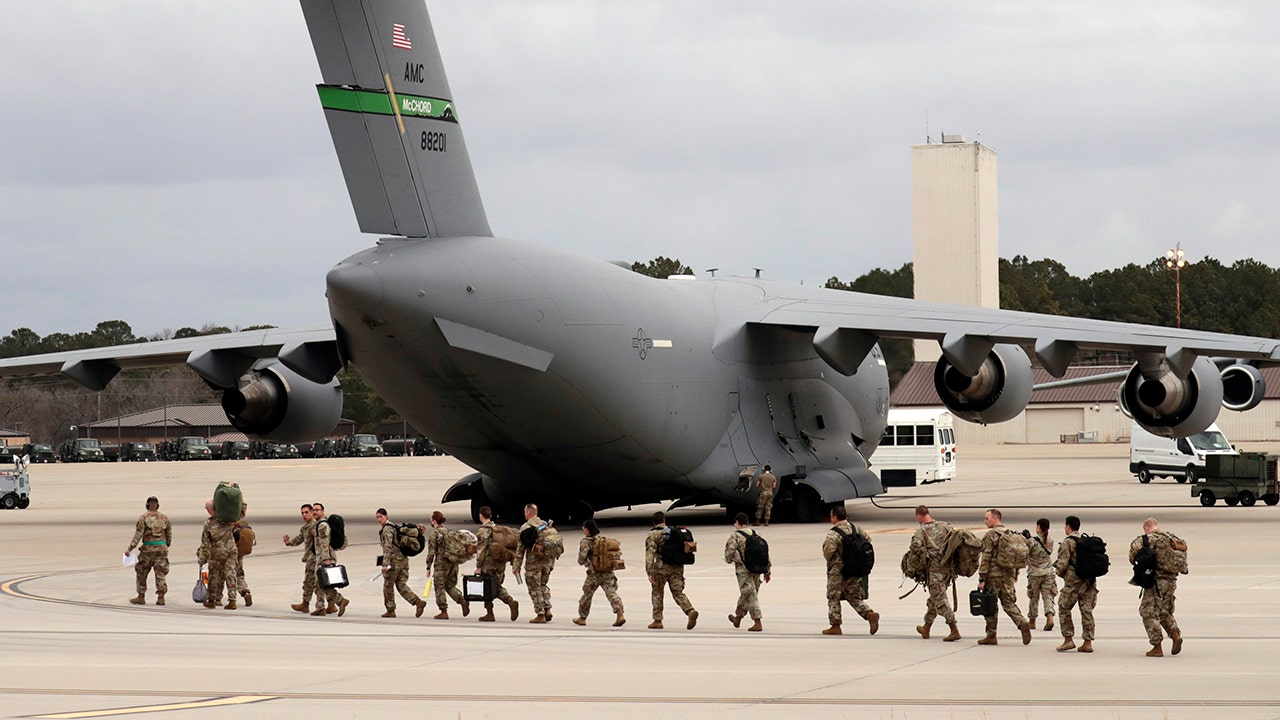
This account highlights confirmation from U.S. officials that the move is limited in scope and temporary. The emphasis is on safeguarding personnel rather than signaling retreat, a distinction often made in previous Gulf crises. By referencing multiple bases, the piece situates Qatar within a regional pattern rather than as an isolated case. That framing aligns with past episodes where Washington sought to reduce vulnerability without altering long-term commitments.
Video: Some personnel being ordered to evacuate US base in Qatar
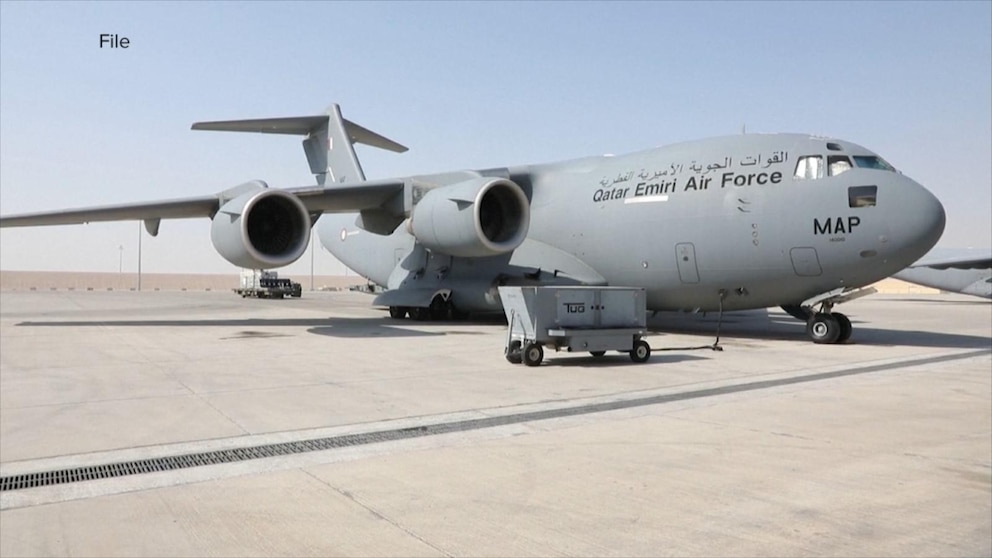
The visual reporting from Qatar adds immediacy, showing how abstract policy decisions translate into real-world movement. ABC’s coverage stresses that the evacuation orders affect specific categories of staff, not entire units. This mirrors earlier precautionary steps taken during spikes in regional threats, when nonessential personnel were moved first. The images reinforce the sense of urgency while leaving the long-term posture deliberately ambiguous.
US reducing personnel at Qatar air base, official tells CBS
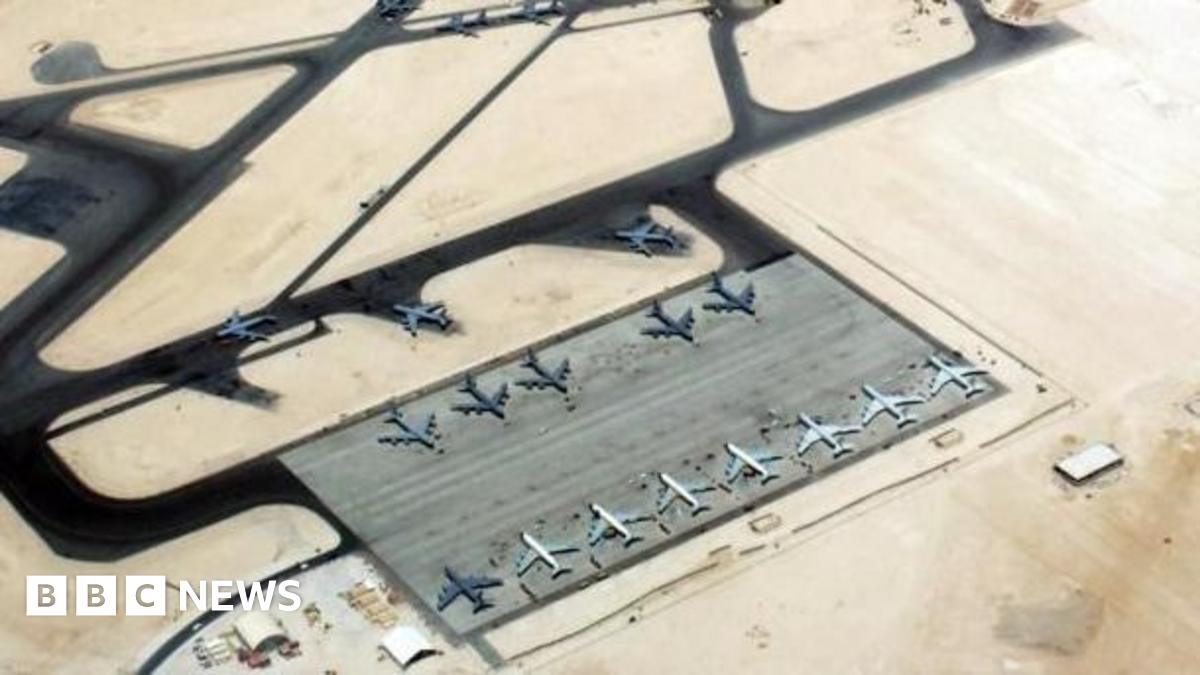
The BBC report underscores the diplomatic sensitivity of any move involving Qatar, a close U.S. partner that also maintains dialogue with Iran. Officials quoted describe the reduction as a measured response rather than escalation. Previously, similar adjustments have been paired with quiet diplomatic outreach to reassure host nations. The story highlights how Qatar’s dual role as host and mediator complicates simple readings of U.S. intent.
Live Updates: U.S. Withdrawing Troops From Key Middle East Bases as Precaution

Haaretz situates the Qatar developments within a live regional feed, linking them to Israeli and Iranian calculations. The piece notes that precautionary withdrawals have often coincided with heightened alert levels rather than imminent action. By placing Qatar alongside other bases, it reinforces the idea of a networked response. This broader lens suggests Washington is managing risk across the region simultaneously.
Summary / Insights
Across outlets, a consistent theme emerges: the U.S. is trimming exposure without signaling disengagement. Qatar’s prominence in the coverage reflects its strategic weight rather than a bilateral dispute. Building on earlier episodes of Gulf tension, Washington appears to be prioritizing flexibility and protection while keeping diplomatic options open. Whether this posture evolves into renewed negotiations or sharper confrontation will depend on decisions made well beyond Doha, but the adjustments there offer an early indicator of how seriously U.S. planners are treating the moment.