Why the U.S. Is Quietly Moving People Out of Middle East Bases
As tensions rise across the Gulf, a series of low-key but consequential U.S. moves has pushed a once-technical security adjustment into a national conversation. Over several days in mid-January, multiple outlets reported that American personnel were advised to leave or reduce their presence at key Middle East bases, particularly in Qatar. The actions were described as precautionary, but taken together they reveal how Washington manages risk during periods of diplomatic strain—without formally announcing an evacuation.
Main Topic Overview
The phrase “U.S. evacuation” began trending in the United States after overlapping reports suggested that American military and civilian staff were being thinned out at strategically important facilities. Officials consistently avoided the word “evacuation,” emphasizing instead routine force-protection measures. Still, the timing—coinciding with sharp rhetoric involving Iran and references to previous regional attacks—has drawn public and political attention.
This is not the first time the U.S. has quietly repositioned personnel in the Middle East. Similar steps were taken during earlier moments of escalation, including after drone strikes on regional infrastructure in the late 2010s and during heightened naval confrontations in the Gulf. Historically, such moves aim to reduce exposure while preserving operational flexibility.
News Coverage
U.S. reduces some personnel at Qatar airbase as Trump threatens action in Iran
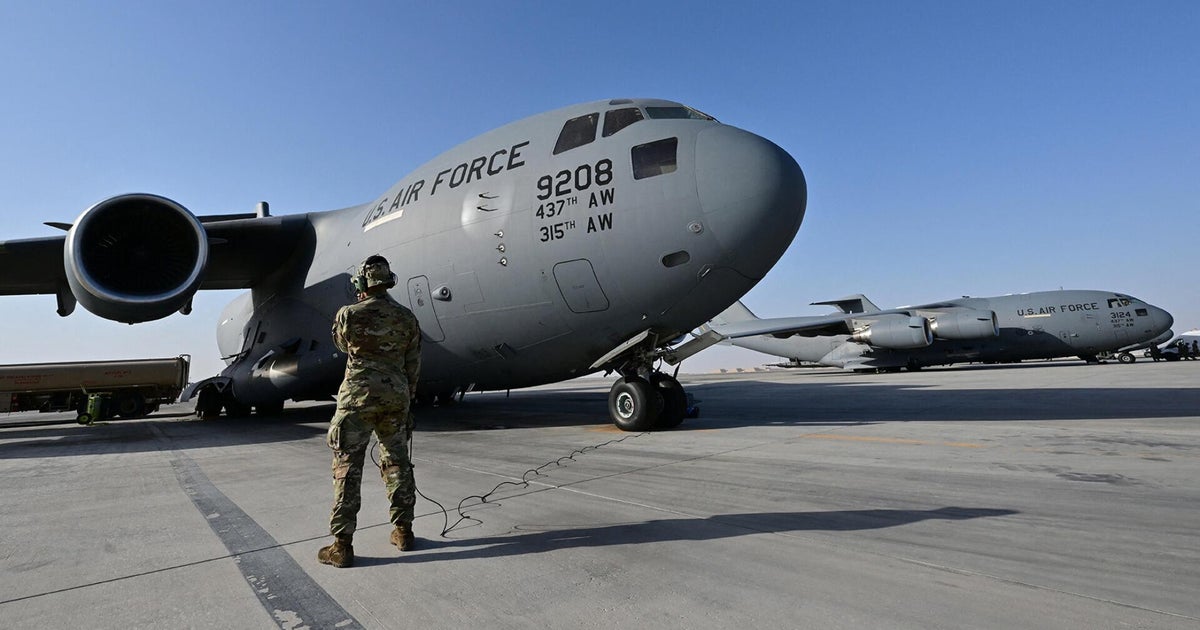
CBS News framed the development around a reduction of personnel rather than a withdrawal, stressing that the base itself remains fully operational. The report linked the timing to renewed threats of action against Iran, while noting that officials described the move as temporary and precautionary. Analysts quoted by the network highlighted Qatar’s role as a logistical hub, suggesting that even small adjustments there can signal broader regional risk calculations. The emphasis remained on deterrence and preparedness, not escalation.
Some personnel at key U.S. base in Qatar advised to evacuate as Iran official brings up earlier attack

The Detroit News focused on language used in briefings, reporting that some personnel were “advised to evacuate,” a phrase that stood out against more cautious official messaging. The article connected the advisory to comments by an Iranian official referencing an earlier regional attack, adding historical context to current concerns. By recalling past incidents, the piece underscored how memory of prior strikes influences present-day security decisions. At the same time, it noted that no immediate threat was publicly confirmed.
Some US military personnel told to leave Middle East bases, US official confirms
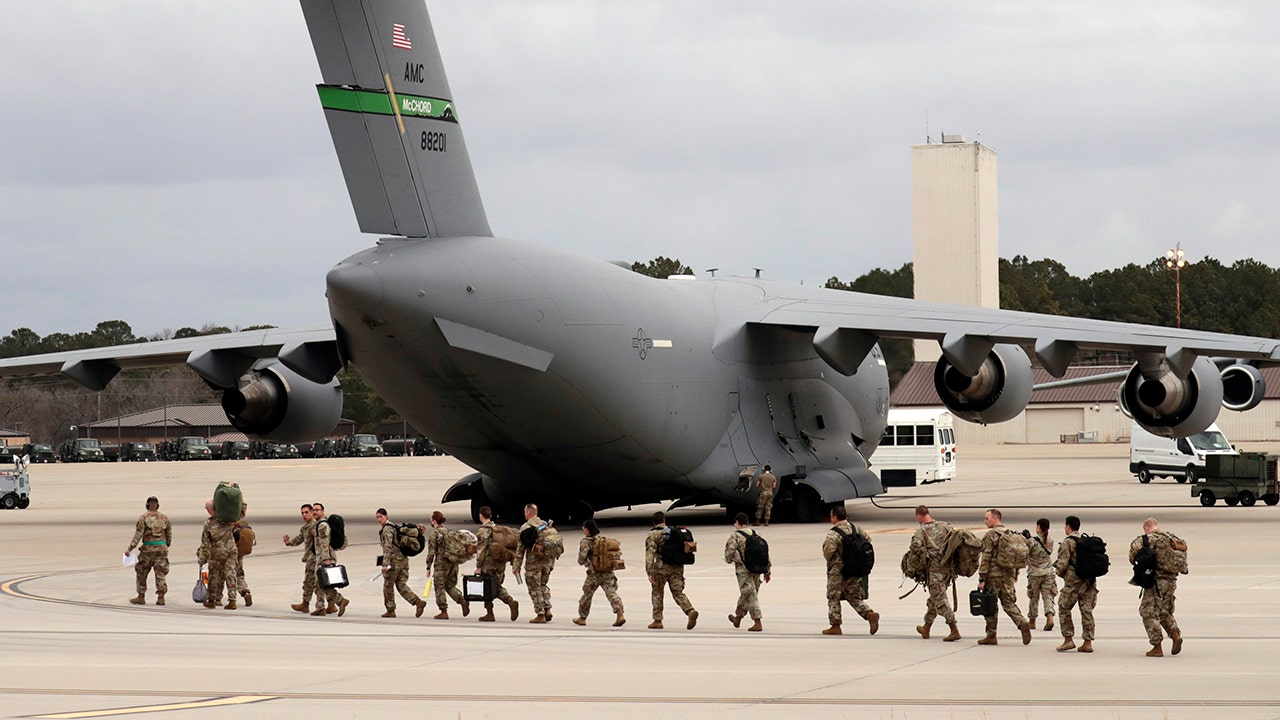
Fox News reported confirmation from a U.S. official that some military personnel were instructed to leave certain Middle East bases. The coverage highlighted official assurances that the moves were part of standard force protection protocols. By citing unnamed defense sources, the report reflected how such stories often rely on controlled disclosures rather than formal announcements. The framing suggested continuity with previous drawdowns rather than a sudden policy shift.
Live Updates: U.S. Withdrawing Troops From Key Middle East Bases as Precaution, American Official Says

Haaretz presented the situation through live updates, emphasizing the precautionary nature of the withdrawals. The outlet placed the U.S. actions within a broader regional narrative that included political rhetoric, alliance dynamics, and civilian risk considerations. By updating developments in real time, the coverage conveyed uncertainty rather than resolution. It also illustrated how international media interpret U.S. security steps as part of a wider strategic picture.
Some personnel at key US base in Qatar advised to evacuate as Iran official brings up earlier attack
AP News offered a measured synthesis, noting advisories for some personnel while stressing that operations continued. The report drew attention to statements by an Iranian official referencing an earlier attack, linking past and present without asserting causation. AP’s neutral tone highlighted how such advisories often reflect layered intelligence assessments rather than single triggers. The article reinforced that no formal evacuation order had been announced.
Summary / Insights
Taken together, the reports show a consistent pattern: U.S. officials adjusting personnel levels to manage risk amid heightened rhetoric, while avoiding language that would suggest a full withdrawal or crisis. Different outlets emphasized different triggers—political statements, historical attacks, or routine protocols—but none reported evidence of immediate hostilities. Historically, such steps have served as pressure valves, allowing Washington to signal caution without altering its long-term regional posture.
TL;DR
Multiple U.S. media outlets report that some American personnel were advised to leave or were reduced at Middle East bases, especially in Qatar. Officials describe the moves as precautionary, reflecting ongoing regional tensions rather than a declared evacuation.