Why U.S. Visa Revocations Are Spiking Again—and Who Is Most Affected
The sudden rise in U.S. visa revocations has re-emerged as a defining policy trend, reshaping conversations around immigration enforcement, higher education, travel, and the labor market. Since the administration’s return to office, government agencies have reported a sharp increase in cancelled visas, drawing attention from universities, employers, and international travelers alike. This digest unpacks what is happening, why it matters, and how different sectors are responding.
Main Topic Overview
Visa revocations are not new in U.S. immigration policy, but the current scale marks a notable escalation. Previously in the late 2010s, similar crackdowns were tied to national security reviews and compliance checks. Building on earlier enforcement frameworks, current actions appear broader in scope, spanning student, work, and visitor categories. Officials frame the move as routine enforcement, while critics raise questions about transparency and economic impact.
News Coverage
US revokes more than 100,000 visas since Trump’s return to office

This report places the visa revocations within a broader immigration enforcement narrative, highlighting official statements that stress legal compliance and public safety. Analysts quoted suggest the scale reflects expanded data-sharing and faster administrative reviews. At the same time, advocacy groups note uncertainty for lawful residents caught in procedural reviews. The article connects the trend to earlier enforcement waves, underscoring continuity rather than a sudden policy break.
Trump administration revokes more than 100,000 visas in first year back
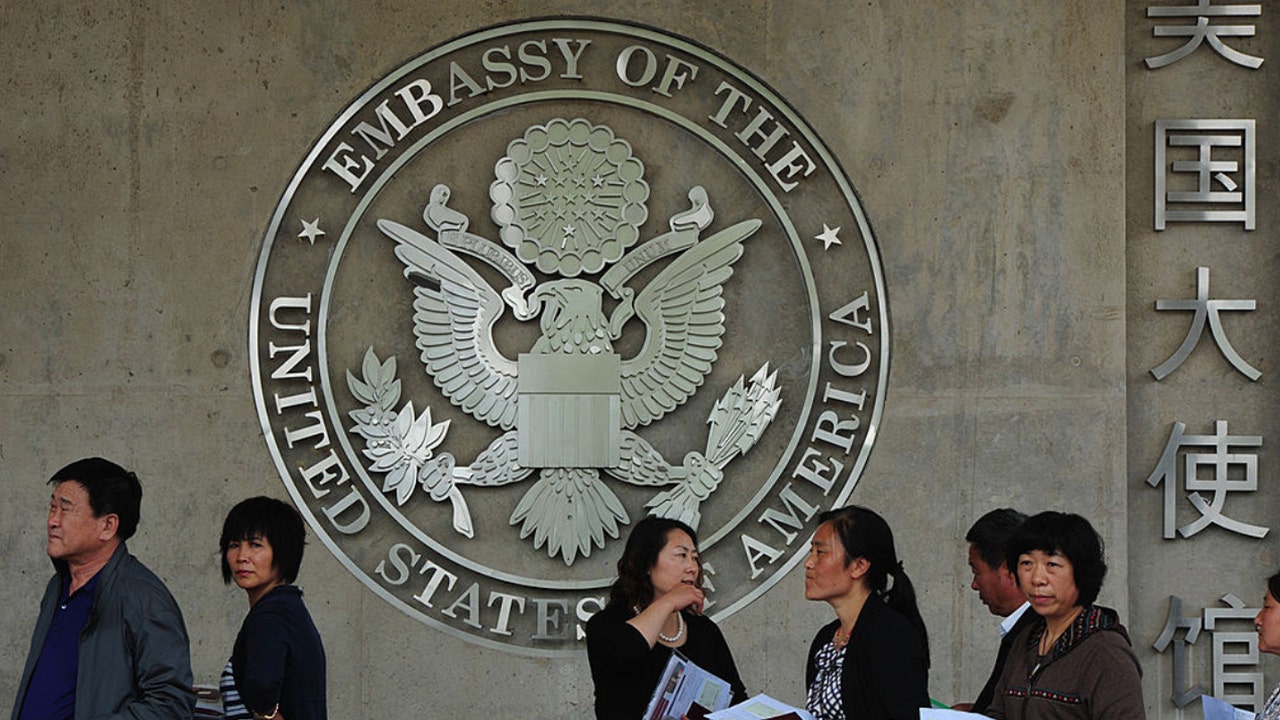
Fox News frames the revocations as fulfillment of campaign promises on border control and visa oversight. Government officials emphasize enforcement against overstays and documentation issues. The coverage also references prior years when visa scrutiny intensified after security reviews. Critics cited in the piece argue that the pace risks administrative errors, illustrating the ongoing debate over enforcement speed versus due process.
Trump Admin. Touts 8,000 Student Visas Revoked

This education-focused analysis narrows in on international students, a group historically sensitive to policy shifts. Universities express concern about enrollment stability, recalling similar declines during previous crackdowns. Officials describe the revocations as targeted and compliance-based. The article situates the issue within a longer history of student visa scrutiny tied to institutional reporting requirements.
January Visa Crackdown Threatens US Travel Demand
This market-oriented piece explores how visa policy reverberates through tourism and travel stocks. Analysts draw parallels to earlier periods when tightened entry rules reduced international arrivals. The article does not assign blame but notes investor sensitivity to policy signals. It highlights how immigration enforcement can have indirect economic consequences beyond its legal intent.
OnlyFans stars and TikTok influencers dominate extraordinary ability visas

In contrast to revocations, this story highlights approvals within the O-category visa space. Legal experts explain that extraordinary ability visas follow a different standard, rooted in individual achievement rather than volume caps. The juxtaposition underscores how U.S. immigration policy can tighten in some areas while remaining flexible in others. Historically, similar contrasts have appeared during enforcement-heavy periods.
Summary / Insights
Taken together, these reports show a multi-layered visa landscape. Enforcement actions emphasize compliance and security, while sector-specific pathways continue to operate under established rules. This is not the first time visa policy has tightened alongside selective openness, but the current scale intensifies scrutiny. The likely outcome is continued debate over balance—between enforcement efficiency, economic needs, and institutional stability.
TL;DR
U.S. visa revocations are rising sharply, affecting students, workers, and travelers, while select visa categories remain open—highlighting an immigration system tightening and adapting at the same time.