Is MLK Day a Federal Holiday? Why the Question Keeps Coming Back in 2026
Every January, the same question rises to the top of search trends: Is Martin Luther King Jr. Day a federal holiday? In 2026, that question has taken on renewed urgency, not because the law has changed, but because public debate, political rhetoric, and shifting civic traditions have made the answer feel less straightforward than it actually is. This digest unpacks what MLK Day is, how it’s observed, and why confusion persists—drawing on recent news coverage across the country.
Main Topic Overview
Martin Luther King Jr. Day is a federally recognized holiday in the United States, observed on the third Monday of January each year. Established to honor the life and legacy of the civil rights leader, the holiday also functions as a national day of reflection and, increasingly, a day of service. Federal offices close, many schools and banks suspend operations, and communities host events ranging from parades to volunteer drives.
Despite this long-standing status, questions resurface annually. Some stem from practical concerns—what’s open, what’s closed—while others are fueled by opinion pieces, political statements, or social media claims suggesting changes that haven’t actually occurred. In 2026, a cluster of news stories illustrates how history, memory, and modern politics intersect around the holiday.
News Coverage
Martin Luther King Jr. Day coming. What to know about man, holiday

This explainer-style report revisits both the historical figure of Dr. King and the origins of the holiday that bears his name. It traces how the federal holiday was established after years of advocacy and political negotiation, emphasizing that its recognition was neither immediate nor uncontested. By grounding the holiday in its legislative history, the piece reinforces that MLK Day’s federal status is settled law, even as public understanding remains uneven. The article also notes how Florida communities balance commemoration with education, blending history lessons with modern observances.
What Would Dr. King Say Now? | Opinion
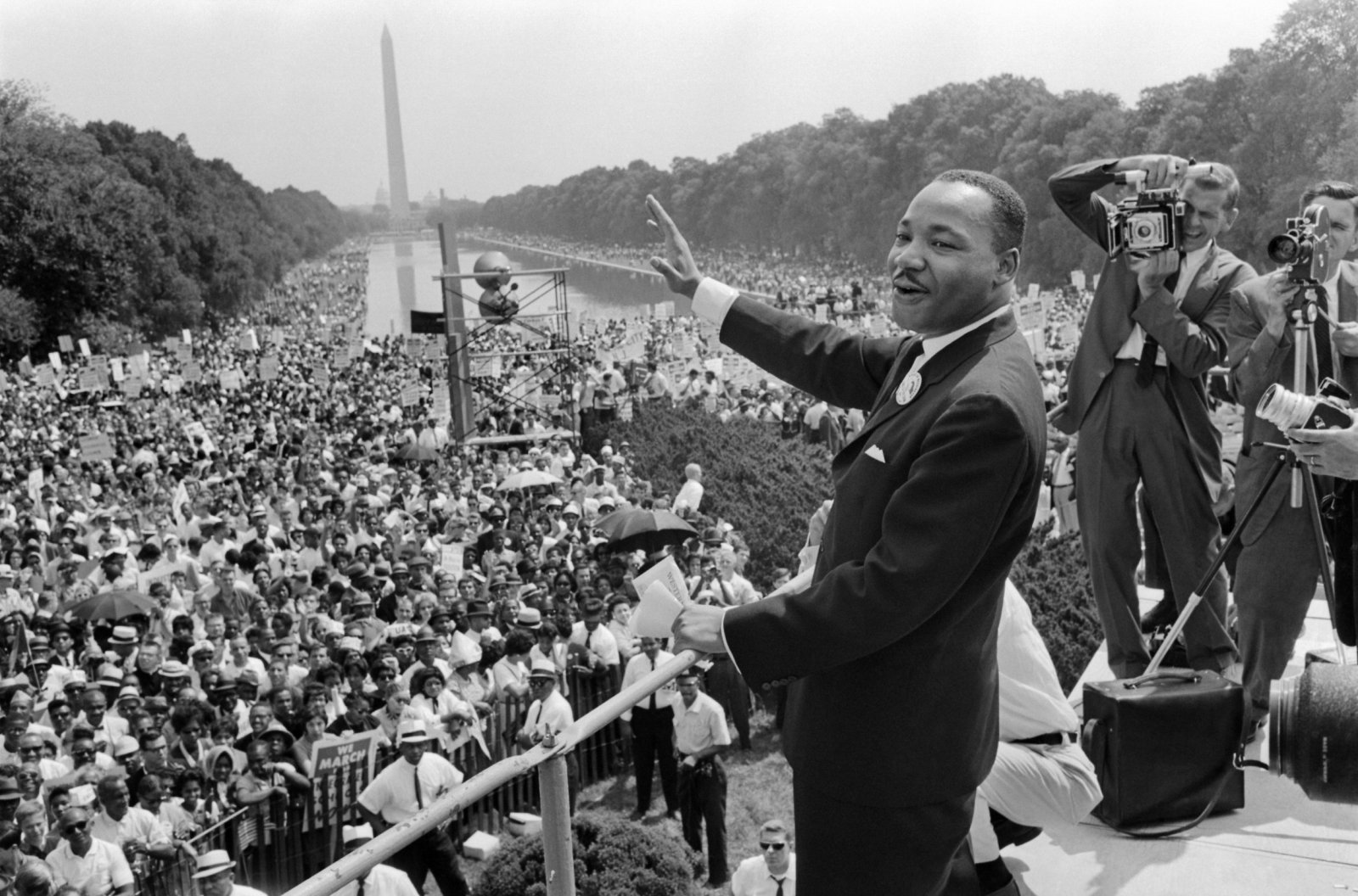
This opinion piece doesn’t question whether MLK Day is a federal holiday, but it helps explain why the holiday feels politically charged. By reflecting on how Dr. King’s words are invoked in contemporary debates, the article shows how symbolic ownership of his legacy can blur into misunderstandings about the holiday itself. While clearly labeled as commentary, the piece contributes to the broader environment in which factual questions about MLK Day circulate alongside ideological interpretations.
See historical photos of Martin Luther King Jr. Day in Arizona

This photo gallery underscores how MLK Day has been observed differently across states and decades. Arizona’s history is particularly notable, as it was one of the last states to formally recognize the holiday. By showcasing archival images, the piece reminds readers that federal recognition does not automatically translate into uniform local acceptance or practice. That historical lag helps explain why questions about the holiday’s status still resonate today.
MLK was exceptional for many reasons. Here are five notable facts about him.

By focusing on biographical facts rather than the holiday itself, this article adds context to why a federal holiday was ultimately created. It traces King’s influence beyond a single speech or moment, reinforcing the argument that the holiday commemorates a broad legacy. The educational framing aligns with how many institutions mark MLK Day: not simply as time off, but as a moment for learning and reflection.
N.Y. leaders invoke MLK, warn of a civil rights backslide
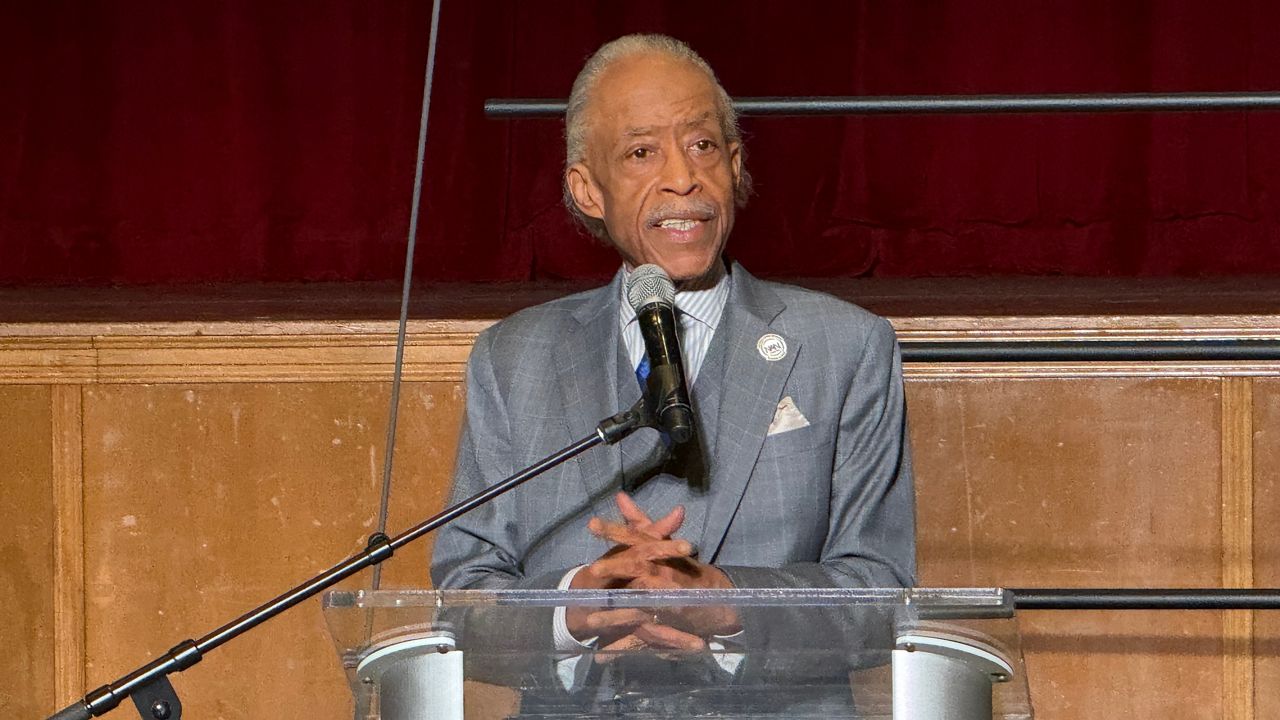
This report illustrates how MLK Day often becomes a focal point for contemporary political messaging. New York leaders referenced King’s legacy while addressing current policy concerns, blurring the line between commemoration and advocacy. While the holiday’s federal status isn’t disputed, such coverage shows how its meaning evolves, contributing to public perception that MLK Day is not just a fixed calendar date but an active part of civic discourse.
Community events in San Diego County: From MLK Parade to Disney on Ice

This local roundup situates MLK Day within a broader calendar of community activities. By listing parades alongside unrelated entertainment events, it subtly reflects how the holiday functions for many Americans—as both a commemorative occasion and a long weekend. The practical framing helps explain why people often search whether MLK Day is “really” a federal holiday, especially when its observance overlaps with leisure planning.
When is MLK Day? Is MLK Day a federal holiday? What to know

This service-oriented article directly addresses the core question driving search traffic. It confirms that MLK Day remains a federal holiday and clarifies which institutions typically close. The piece also acknowledges common misconceptions, particularly those fueled by viral claims or misinterpreted political statements, illustrating how routine calendar questions can become recurring news items.
Local MLK Day events, day of service volunteer ideas
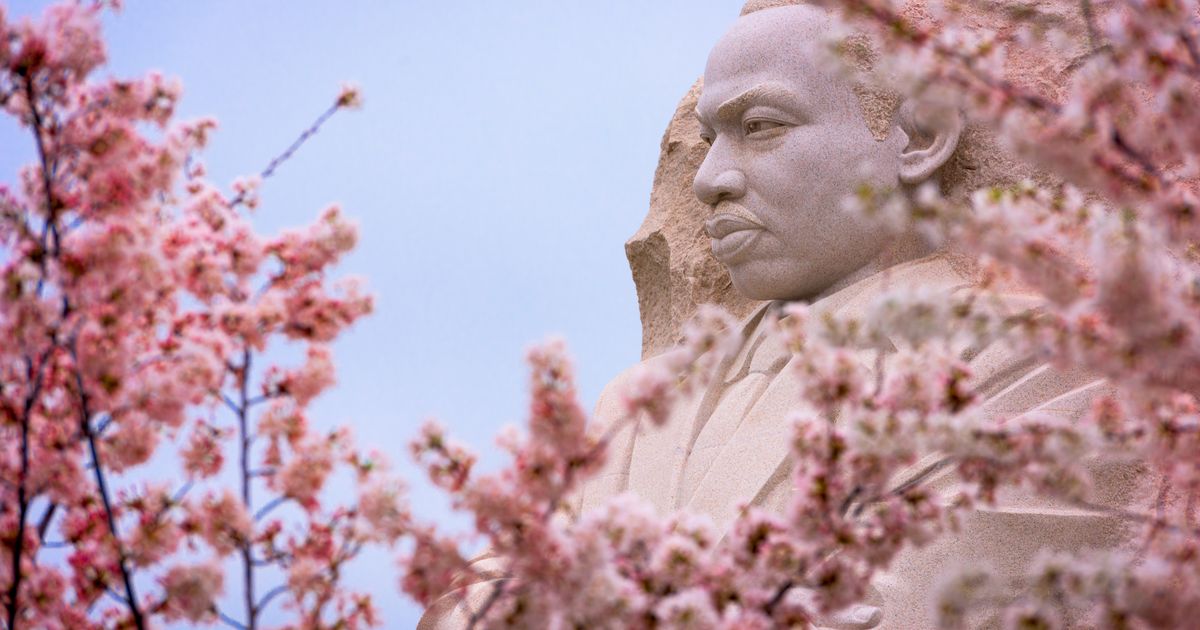
Focusing on volunteerism, this article highlights how MLK Day has increasingly been framed as a “day on, not a day off.” The emphasis on service reinforces the holiday’s civic purpose, even as it complicates public understanding of what federal recognition entails. The piece reflects a broader trend toward participatory observance rather than purely ceremonial closure.
Did Trump cancel MLK Day? Why the federal holiday might look different

This article directly confronts a viral claim, explaining that MLK Day has not been canceled. Instead, it explores how administrative decisions or scheduling nuances can change how the holiday is observed. By separating legal reality from political speculation, the piece exemplifies why misinformation plays such a large role in recurring questions about the holiday’s status.
Is MLK Day still a federal holiday? Are banks, post office open?
Like several regional outlets, this piece addresses everyday logistics. By listing which services close and which remain open, it underscores that the federal designation has tangible effects on daily life. The repetition of this format across newsrooms highlights how the same basic question continues to generate demand year after year.
Summary / Insights
Taken together, the 2026 coverage shows that MLK Day’s federal status is not genuinely in question, but its meaning and observance remain dynamic. Historical differences among states, modern political discourse, and recurring misinformation all contribute to public uncertainty. At the same time, the holiday’s expansion into service-oriented and community-based activities has reshaped how Americans experience it.
This isn’t the first time such confusion has surfaced. In previous decades, similar questions arose during periods of political tension or administrative change. The pattern suggests that as long as MLK Day carries both symbolic and practical weight, it will continue to prompt not just remembrance, but clarification.
TL;DR
Yes—Martin Luther King Jr. Day is still a federal holiday. The recurring questions in 2026 reflect confusion driven by politics, misinformation, and evolving ways of observing the day, rather than any actual change in the law.