
Kevin Warsh Emerges in a Crowded Fed Chair Conversation as Markets and Politics Intersect
In mid-January 2026, attention around the future leadership of the U.S. central bank intensified as prediction markets, media reports, and political signals converged on a familiar name: Kevin Warsh. While no formal nomination process has begun, shifting odds and public commentary have placed Warsh prominently within a broader, unsettled discussion about who might eventually succeed the current Federal Reserve chair.
Main Topic Overview
The role of Federal Reserve chair has historically been shaped by both economic credibility and political context. This is not the first time potential successors have been debated well ahead of any official transition. Previously, in periods of heightened market sensitivity or political uncertainty, speculation alone has influenced investor sentiment and public discourse. The current moment reflects a similar pattern, with Kevin Warsh — a former Fed governor — re-entering headlines alongside other economists and policy figures.
The renewed focus on Warsh follows comments attributed to former President Donald Trump about other possible candidates, combined with growing scrutiny of the Fed’s independence, profitability, and relationship with the executive branch. Together, these threads form a narrative that extends beyond any single individual.
News Coverage
Warsh sprints ahead in Fed chair race following Trump comments on Hassett, prediction markets show

CNBC reports that prediction markets shifted notably after comments from Donald Trump suggested uncertainty around Kevin Hassett as a potential pick. In that context, Kevin Warsh’s odds moved higher, reflecting how speculative markets react quickly to political signals. The article emphasizes that these movements do not represent official decisions but rather aggregated expectations. Historically, similar fluctuations have occurred during previous Fed leadership transitions without necessarily predicting final outcomes.
Rick Rieder discusses Fed profitability, monetary policy stability during interview for chair role
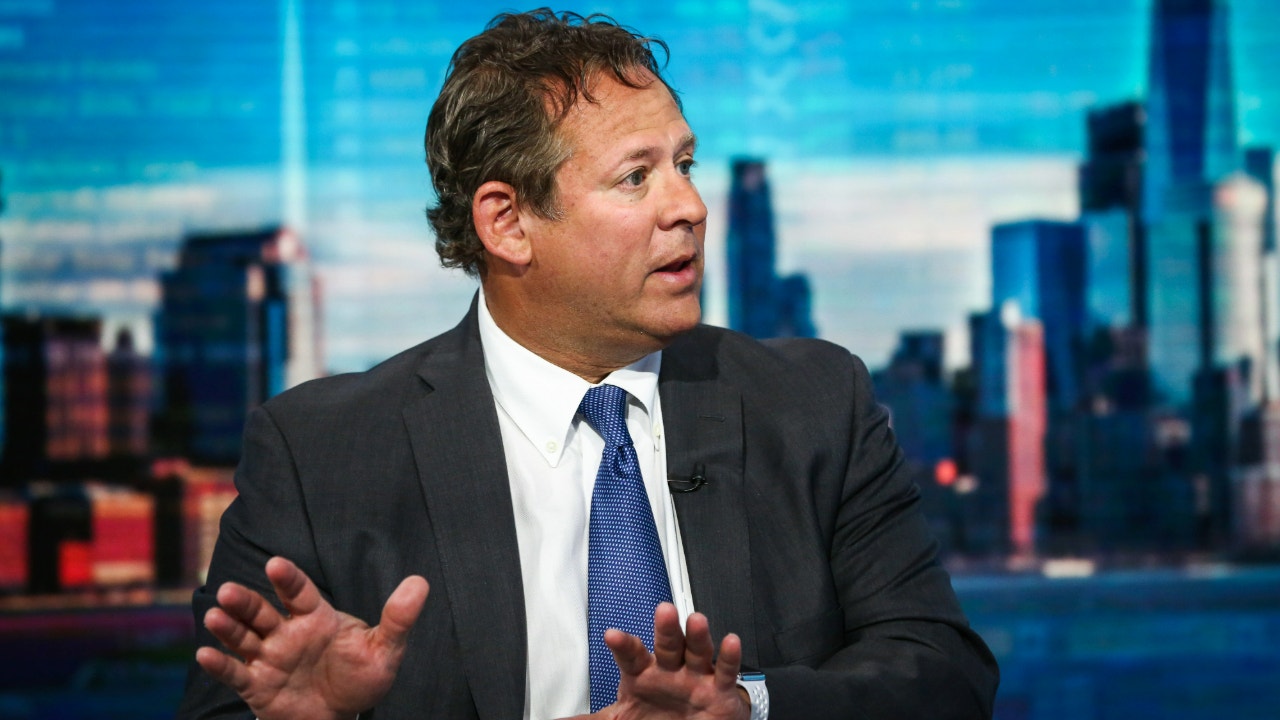
This interview broadens the field of discussion beyond Warsh, highlighting Rick Rieder’s views on Fed profitability and policy continuity. By including another potential contender, the coverage underscores that the conversation remains open-ended. The article places emphasis on institutional stability, a theme that frequently resurfaces during leadership speculation. Such perspectives provide contrast to market-driven narratives focused on betting odds or political commentary.
Frontrunners To Replace Jerome Powell, According to Bookmaker
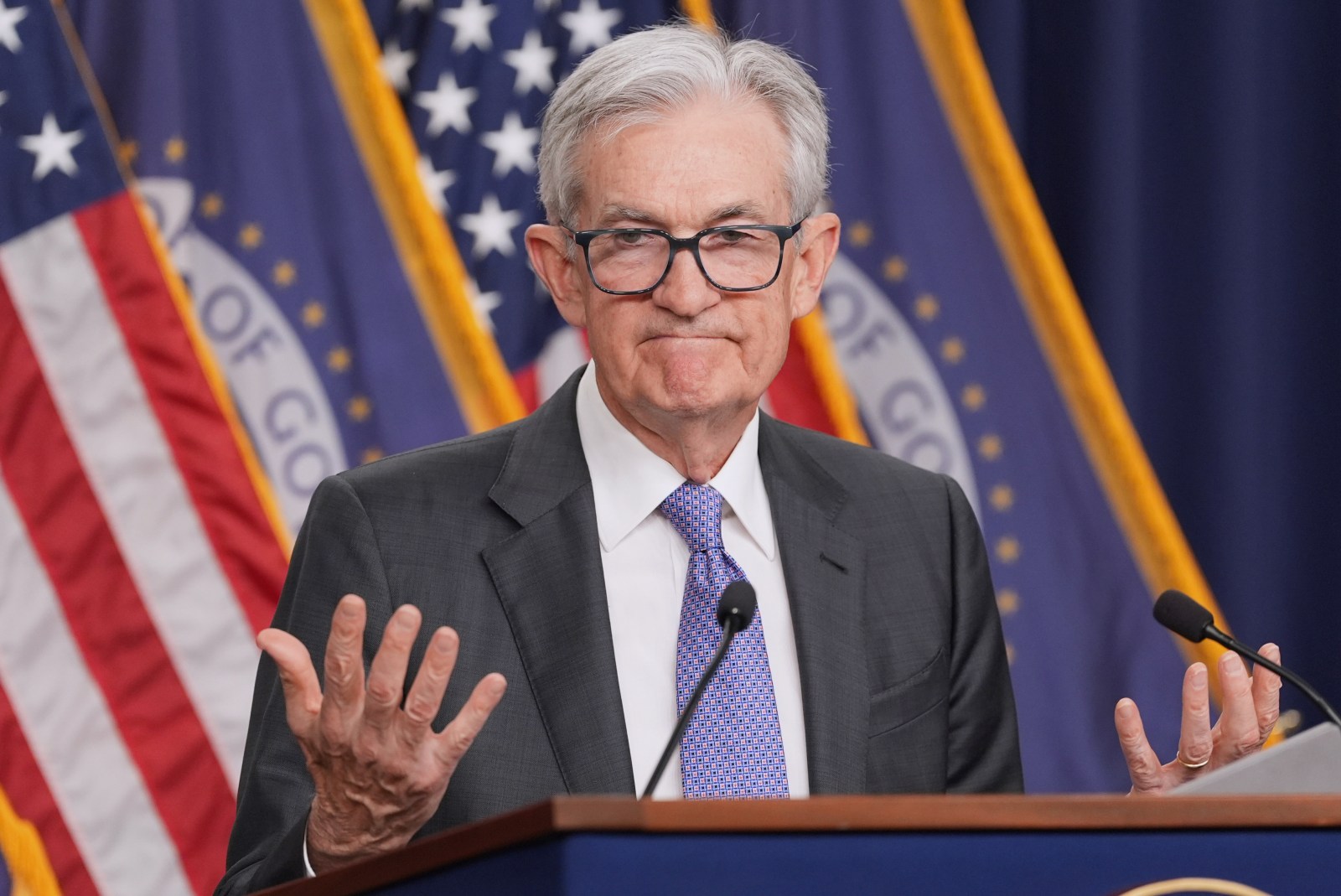
Newsweek examines bookmaker data that lists several possible successors to , including Kevin Warsh. The article contextualizes these rankings by noting how betting markets often blend public information with sentiment rather than insider knowledge. It also references past instances when early frontrunners did not ultimately receive nominations. The piece reinforces the speculative nature of the current discussion.
S&P seesaws after Trump signals Hassett may not be pick for new Fed chair: Live updates

This live update connects leadership speculation directly to market movement, noting short-term volatility following political remarks. While Warsh is not the sole focus, the coverage illustrates how even indirect signals can ripple through equities. The article situates this reaction within a broader pattern seen during previous moments of uncertainty about monetary leadership. It highlights the sensitivity of markets to perceived shifts in policy direction.
Two Penn alumni reportedly under consideration for Federal Reserve Chair
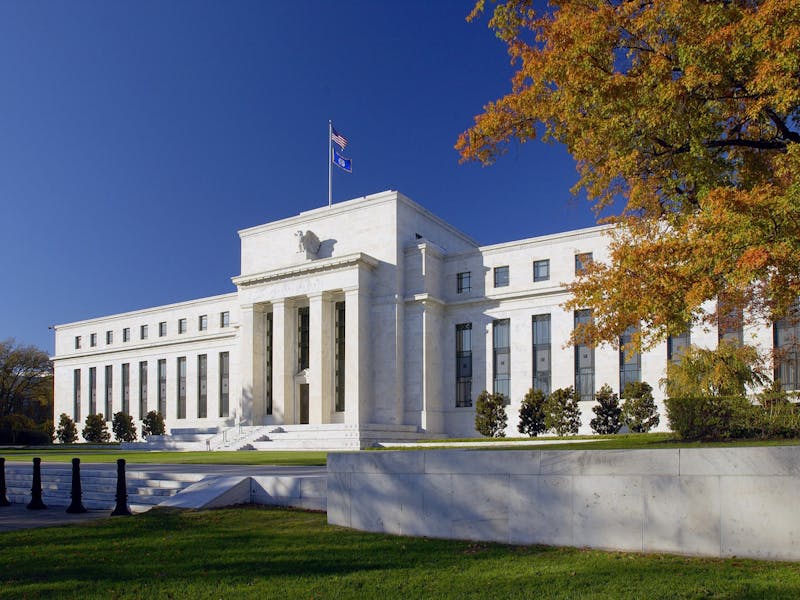
This report adds an academic dimension to the narrative, noting that multiple alumni from the University of Pennsylvania are being discussed as potential candidates. Kevin Warsh’s educational background is highlighted as part of a broader trend of elite academic pipelines into economic policymaking. The article frames this as informational rather than predictive, reflecting how background and credentials often shape early media speculation.
Criminal investigation raises key question: Whether Chair Powell leaves Fed in May
AP News shifts the focus toward institutional uncertainty, examining how an investigation could affect Jerome Powell’s tenure. While Warsh is not directly implicated, the article explains why questions about timing matter for succession speculation. This type of uncertainty has historically accelerated public discussion around potential replacements, even when outcomes remain unclear.
Summary / Insights
Collectively, these reports illustrate how Kevin Warsh’s re-emergence in Fed chair discussions is part of a wider, multifaceted moment rather than a singular development. Prediction markets, political commentary, academic credentials, and institutional uncertainty are all feeding into the narrative. This is not the first time speculation has run ahead of formal processes, and past examples suggest that early visibility does not guarantee eventual selection.
For now, the story is less about a confirmed trajectory and more about how markets and media respond to incomplete information. As with previous periods of leadership transition, clarity is likely to emerge gradually rather than through any single signal.