SpaceX, Starlink, and Iran’s Internet Blackout: How a Private Satellite Network Became a Global Flashpoint
When Iran’s internet access abruptly narrowed in mid-January, the disruption rippled far beyond the country’s borders. What followed was not just a story about censorship or connectivity, but about the growing role of private space infrastructure in geopolitics. At the center of the discussion was SpaceX’s Starlink satellite network, alternately described as a lifeline, a vulnerability, and a bargaining chip. This digest unpacks how the situation unfolded, how different media outlets framed it, and why it matters well beyond Iran.
Main Topic Overview
Starlink, operated by SpaceX, was originally designed to deliver high-speed internet to remote or underserved regions. Over the past few years, it has increasingly appeared in geopolitical crises, particularly where governments restrict or shut down traditional internet access. Iran’s latest blackout brought this dynamic into sharp focus, raising questions about sovereignty, enforcement, and the limits of privately owned global infrastructure.
News Coverage
Iran in limbo: What’s next for country under internet blackout?

Al Jazeera framed the blackout as part of a broader cycle seen during previous periods of unrest in Iran, emphasizing uncertainty over how long restrictions might last. The article placed Starlink in context rather than at the center, noting that satellite internet has appeared before as a workaround but has never been a comprehensive solution. Analysts cited in the piece suggested that authorities have learned from earlier episodes and are adapting faster. The overall tone highlighted a country in a holding pattern, where digital access has become a recurring pressure point.
Under Iran's internet blackout, SpaceX’s Starlink is a lifeline — if it can stay online

NBC News focused squarely on Starlink’s role, describing how some users managed to stay connected despite nationwide restrictions. The reporting underscored the fragility of that access, noting technical hurdles, government countermeasures, and the risk of service interruptions. By highlighting individual experiences alongside expert commentary, the piece showed both the promise and the limitations of satellite-based connectivity. Starlink emerged less as a silver bullet and more as a temporary bridge under constant strain.
There's an internet blackout in Iran. How are videos and images getting out?

NPR took a forensic approach, tracing how information continued to reach the outside world. Starlink was mentioned alongside VPNs, satellite phones, and diaspora networks, positioning it as one tool among many. The analysis suggested that no single technology explains the flow of images and videos. Instead, the blackout revealed a layered ecosystem of workarounds, with Starlink playing a visible but not exclusive role.
Iran’s latest internet blackout extends to phones and Starlink

The Conversation provided technical and legal background, explaining how authorities could attempt to disrupt satellite services. Rather than focusing on personalities or politics, it explored enforcement mechanisms and regulatory gaps. The piece argued that Starlink’s presence complicates traditional models of state control without eliminating them. This perspective framed the blackout as an evolving contest between infrastructure and regulation.
US lawmakers call on Donald Trump to restore internet access in Iran

The Guardian shifted the lens to Washington, reporting on political pressure and public statements. Starlink appeared here as part of a diplomatic conversation rather than a technical one. Lawmakers framed internet access as a policy issue, while critics questioned how much influence any administration could exert over events on the ground. The coverage illustrated how quickly a connectivity issue became entangled with international politics.
‘Kill Switch’—Iran Shuts Down Musk’s Starlink For First Time

Forbes emphasized the novelty of a direct disruption, framing it as a potential precedent. The article explored what a so-called “kill switch” might imply for future deployments in restrictive environments. Analysts quoted suggested that even partial shutdowns could influence how Starlink is perceived by governments and investors alike. The narrative pointed toward a turning point in how resilient the service is assumed to be.
Got $,? This Supercharged Space Stock Is a Moonshot in the Making
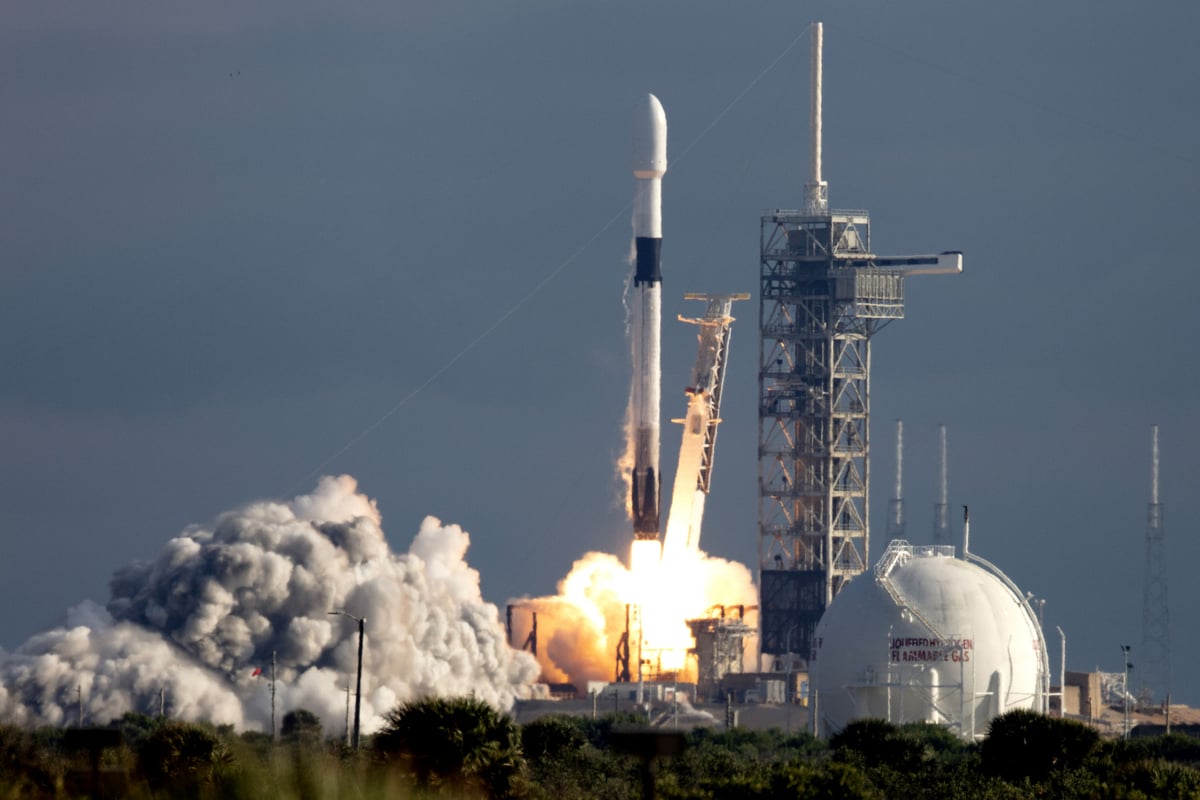
The Motley Fool connected the news cycle to investor sentiment, noting that geopolitical exposure is increasingly relevant to space-related stocks. While not focused solely on SpaceX, the piece reflected how events like Iran’s blackout feed into broader market narratives. The analysis suggested that real-world deployments, even in crisis scenarios, shape long-term expectations. In this way, Starlink’s role extended from headlines to balance sheets.
AST SpaceMobile Awarded Prime Contract Position on U.S. Missile Defense Agency SHIELD Program

This announcement broadened the context by showing how satellite communications are intersecting with defense priorities. While separate from Iran, it reinforced why Starlink and similar systems draw government attention. The juxtaposition highlighted a sector where civilian, commercial, and military uses increasingly overlap. That overlap helps explain the intensity of scrutiny during crises.
Summary / Insights
Taken together, the coverage shows Starlink as neither an unstoppable force nor a marginal footnote. It sits in an in-between space, capable of enabling connectivity yet constrained by politics, technology, and enforcement. Iran’s blackout echoed earlier moments when satellite internet surfaced during crises, but it also revealed a more complex landscape. As private space infrastructure becomes more embedded in global events, its role is likely to remain contested and closely watched.