Netanyahu Declares Victory Amid Regional Conflict: A Comprehensive Trend Summary
Israeli Prime Minister Benjamin Netanyahu addressed the nation on March 12, 2026, declaring that Israel is 'stronger than ever' following a direct military confrontation with Iran. The conflict involved significant escalations, including missile exchanges and the targeted killing of top Iranian nuclear scientists. Despite these military claims, the Prime Minister faces a complex political landscape at home as public opinion remains divided over the war's outcome.

TL;DR
- Israel confirmed the elimination of top Iranian nuclear scientists during the height of the conflict.
- Netanyahu officially declared Israel 'stronger than ever' in his first post-war address.
- Iranian drones caused collateral damage in the region, including a strike on a building in Dubai.
- Despite military achievements, Netanyahu has not seen a significant 'bump' in domestic political polling.
What Happened
The conflict reached a critical flashpoint when Israel launched a series of 'widened' attacks targeting Tehran. During these operations, Israel confirmed that several high-ranking Iranian nuclear scientists were killed, a move intended to degrade Iran's atomic capabilities. In retaliation, Iranian forces deployed ballistic missiles and drones across the Middle East. One notable incident involved an Iranian drone striking a residential or commercial building in Dubai, signaling the regional breadth of the hostilities. As the kinetic phase of the war subsided, Netanyahu utilized a televised platform on March 12 to frame the operation as a decisive success for Israeli security forces.
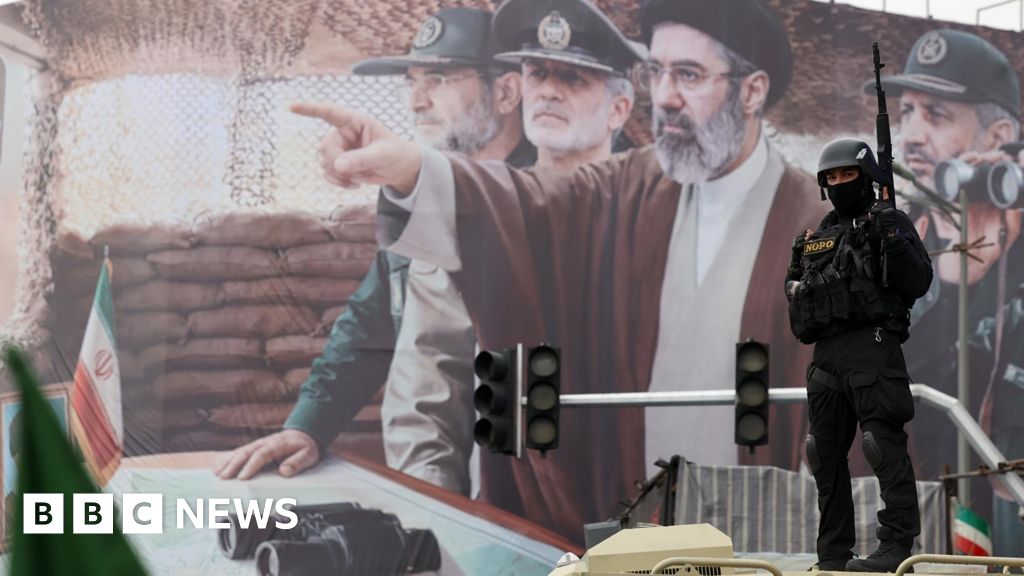
Israel is now stronger than ever before, having faced the head of the snake directly and prevailed.
Key Developments
While the Israeli government emphasizes military gains, recent polling data indicates an 'anticlimax' for the ruling Likud party. Citizens have not provided Netanyahu with the expected surge in popularity, as concerns over long-term security and regional stability persist. On the international front, the United States has remained closely involved, coordinating with Israel as the conflict impacted global oil markets and regional flight statuses. Specifically, air travel through major hubs like Qatar and the UAE faced disruptions due to the ongoing missile and drone threats during the peak of the exchange.
Why This Matters
The outcome of this conflict fundamentally shifts the security architecture of the Middle East. By targeting nuclear personnel, Israel has attempted to set back Iran's nuclear timeline by years. However, the lack of a 'regime change' in Iran suggests that the underlying ideological and geopolitical rivalry remains unresolved. For Netanyahu, the domestic 'poll plateau' suggests that the Israeli electorate may be prioritizing economic recovery or internal reforms over perpetual military engagement, complicating his path to maintaining a stable coalition.

What Happens Next
Israeli intelligence services continue to monitor Iran for signs of reorganization or further drone strikes. Diplomatic efforts are expected to intensify as regional neighbors, including the UAE, seek assurances against future crossfire. Netanyahu is scheduled to face further political scrutiny as the Knesset debates the emergency budget used to fund the 2026 operations. Future updates on regional flight safety and oil price stabilization are expected as international monitors assess the damage to Tehran's infrastructure.
Frequently Asked Questions
What did Netanyahu say in his recent speech?
In his address on March 12, 2026, Prime Minister Netanyahu stated that Israel had emerged 'stronger than ever' and successfully neutralized key threats from Iran during the recent military conflict.
Were there any Iranian nuclear scientists killed?
Yes, Israel confirmed that several top Iranian nuclear scientists were killed during the targeted military operations in Tehran and surrounding areas.
How did the war affect other countries in the region?
The conflict saw an Iranian drone strike a building in Dubai and caused significant disruptions to commercial flight paths in Qatar and the UAE.
Why is Netanyahu's polling low after the war?
Despite the military successes, many Israeli voters viewed the conflict as an 'anticlimax,' leading to a lack of the typical 'rally around the flag' effect in March 2026 polls.
Is the war between Israel and Iran over?
While the major kinetic exchanges have slowed, the Israeli military remains on high alert for drone and missile attacks, and no formal peace treaty has been signed.