Tulsi Gabbard's Silence Amid Venezuela Operation Raises Questions
As tensions mount over the Trump administration's latest actions in Venezuela, notable political figures like Tulsi Gabbard have remained conspicuously silent. This trend digest explores the implications of this silence and what it might mean for U.S. foreign policy.
Main Topic Overview
The U.S. government's recent intervention in Venezuela has sparked significant debate. Notably, Tulsi Gabbard, a prominent political figure and current Director of National Intelligence, has not publicly commented on the situation. Her absence from the conversation raises questions about her stance on the issue and the broader implications for U.S. policy in the region.
News Coverage
Has Anyone Checked on J. D. Vance and Tulsi Gabbard?
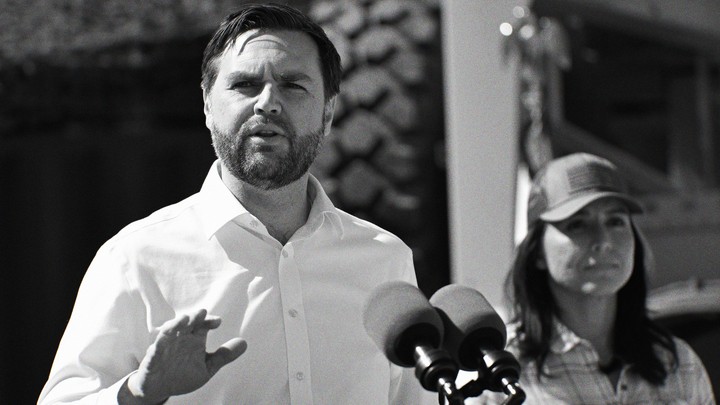
The Atlantic discusses the unusual silence from Tulsi Gabbard and J.D. Vance amidst the U.S. intervention in Venezuela. As public figures who have often been vocal on similar issues, their lack of response is notable. This silence prompts speculation about possible strategic reasons or internal disagreements within the administration. The absence of their voices leaves a gap in understanding the nuanced perspectives on this controversial operation.
Tulsi Gabbard MIA on Venezuela operation amid tensions over Trump policy

The Washington Post highlights the absence of Tulsi Gabbard's voice in the ongoing Venezuela debate. Her previous criticisms of interventionist policies contrast sharply with her current silence, raising questions about her views on the Trump administration's approach. This lack of commentary could suggest a strategic retreat from public debate or possible alignment with the administration's confidential strategies.
Tulsi Gabbard goes missing from TV as Trump officials boast about Venezuela mission
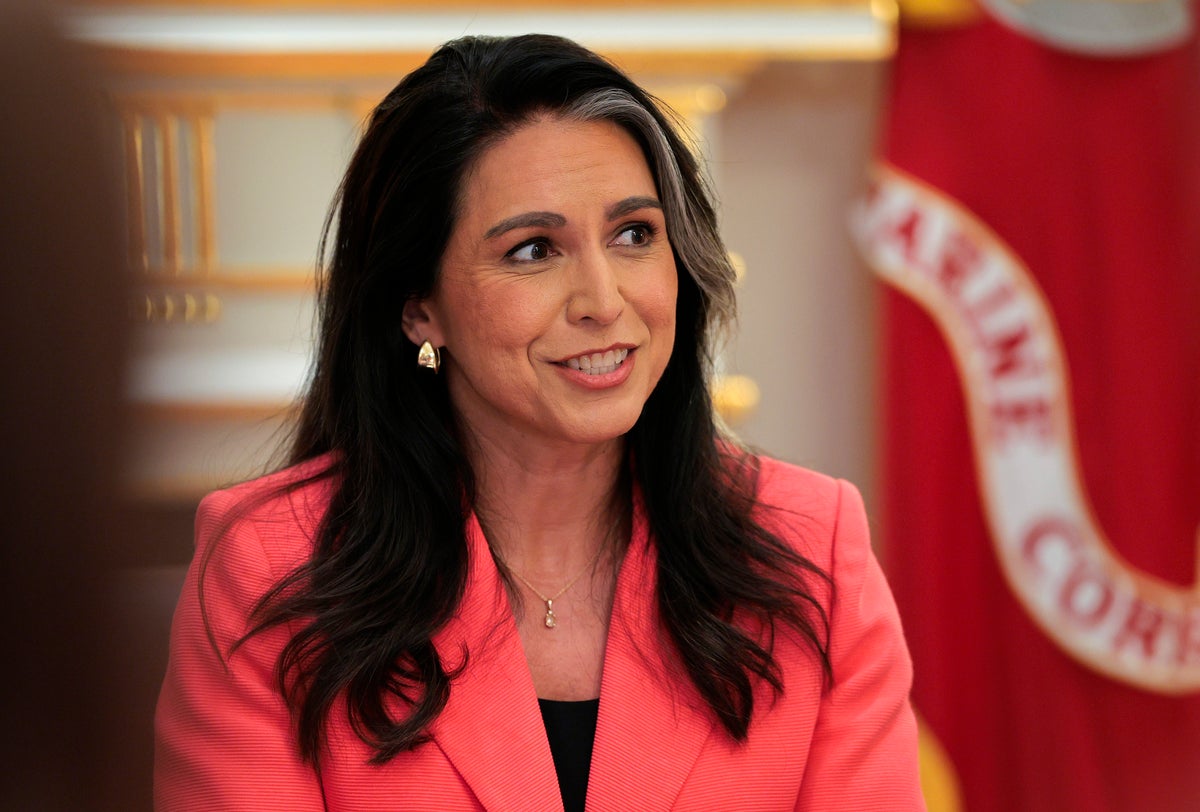
The Independent reports on Tulsi Gabbard's notable absence from public forums as Trump officials frequently discuss the Venezuela mission. This disappearance from the media spotlight contrasts with her previous media presence and has led to speculation about internal dynamics within the administration. Observers are left wondering if her silence signals disagreement or strategic compliance with the administration's policies.
U.S. national intelligence director is silent on Venezuela operation

The Los Angeles Times notes the silence from the U.S. national intelligence director, Tulsi Gabbard, regarding the Venezuela operation. This lack of communication from a key intelligence figure raises concerns about transparency and the decision-making process behind the U.S. involvement. Gabbard's silence could indicate a strategic decision to keep intelligence aspects confidential, or it may reflect internal discord on the operation's execution.
Analysis | For Trump administration secretaries, the past isn’t a predictor of policy

This Washington Post analysis explores how historical actions by Trump administration officials, including Gabbard, may not align with current policy directions. The divergence between past rhetoric and present silence on issues like Venezuela highlights the complexities of political roles and shifting strategies. This analysis provides context to Gabbard's silence, suggesting that past positions may not always predict current actions.
Good for DNI Tulsi Gabbard!

The National Review offers a different perspective, suggesting that Tulsi Gabbard's silence may reflect prudent discretion. By not engaging publicly, Gabbard could be focusing on behind-the-scenes intelligence work crucial to national security. This angle posits that her restraint could be seen as a strength, allowing for more strategic planning without media interference.
Summary / Insights
The varied perspectives on Tulsi Gabbard's silence amid the Venezuela operation highlight a complex political landscape. While some view her absence as a strategic move, others see it as a potential sign of discord within the administration. The situation underscores the challenging balance between public transparency and strategic confidentiality in international affairs.