James Watson, DNA Pioneer and Controversial Figure, Dies at 97
James D. Watson, one of the scientists who co-discovered the structure of DNA, passed away at the age of 97. His death marks the end of an era in molecular biology, closing the chapter on one of science’s most revolutionary — and controversial — figures. The discovery of the double-helix structure transformed biology and medicine, but Watson’s later remarks on race and gender clouded his legacy.
Main Topic Overview
Born in Chicago in 1928, James Watson was a geneticist and molecular biologist best known for his collaboration with Francis Crick and Rosalind Franklin in discovering the double-helix structure of DNA in 1953. This finding paved the way for modern genetics, genome sequencing, and biotechnology. However, his later career was marred by divisive comments that led to widespread criticism and the loss of several honorary positions.
News Coverage
James Watson, who co-discovered DNA double helix, dies at 97

Al Jazeera reported Watson’s death as the passing of a historic figure whose scientific contributions reshaped biology. The article highlights the monumental 1953 discovery of DNA’s double-helix structure and how it changed our understanding of heredity. It also touches on how Watson’s legacy was complicated by his remarks about race and intelligence, which distanced him from much of the scientific community.
James Watson, who co-discovered the structure of DNA, has died at age 97
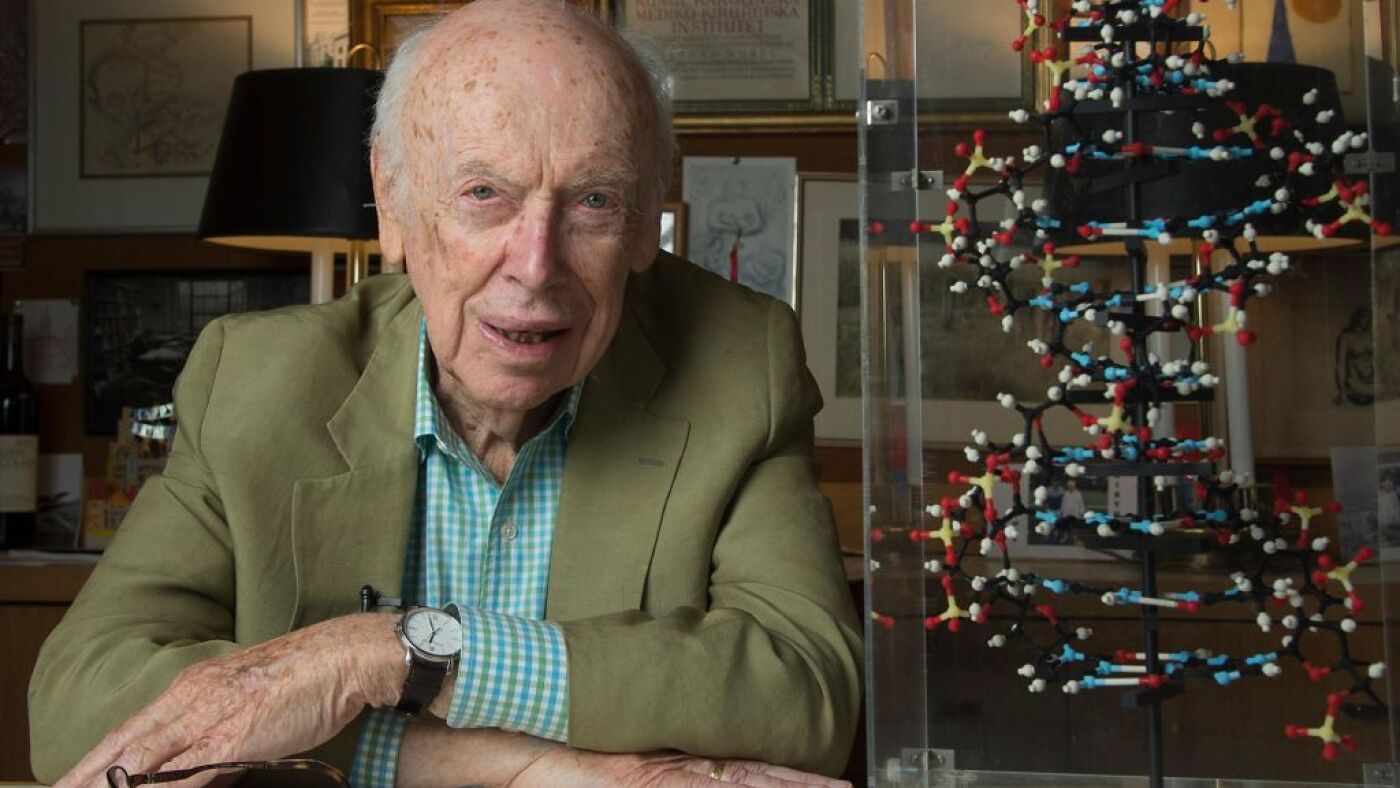
NPR’s coverage focused on Watson’s dual legacy as both a visionary scientist and a divisive public figure. It recounts how his work with Francis Crick led to a Nobel Prize and how their discovery became the foundation of molecular genetics. NPR’s report also acknowledges Watson’s controversial statements, portraying him as a figure of immense scientific achievement but human fallibility.
James Watson, who helped unravel genetic blueprint for life, dies at 97

The Washington Post emphasized Watson’s lifelong fascination with the genetic code and the discovery’s lasting impact on biology and medicine. The obituary outlines how the double helix became one of the most recognized symbols in science. Yet it also notes how his reputation suffered after remarks that many viewed as racist and sexist, prompting institutions to sever ties with him late in life.
Obituary: James Watson
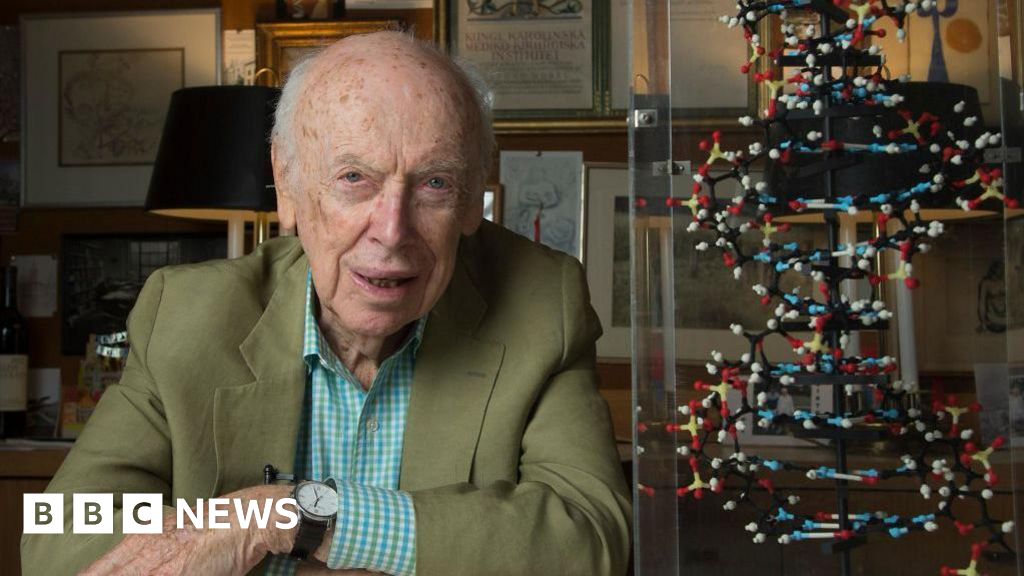
The BBC obituary offers a balanced reflection on Watson’s scientific genius and moral missteps. It recalls his groundbreaking partnership with Francis Crick and the fierce competition among researchers of the 1950s. The piece also delves into Watson’s controversial later years, describing him as a man whose brilliance was overshadowed by statements that alienated him from the global scientific community.
James Watson exemplified the best and worst of science – from monumental discoveries to sexism and cutthroat competition
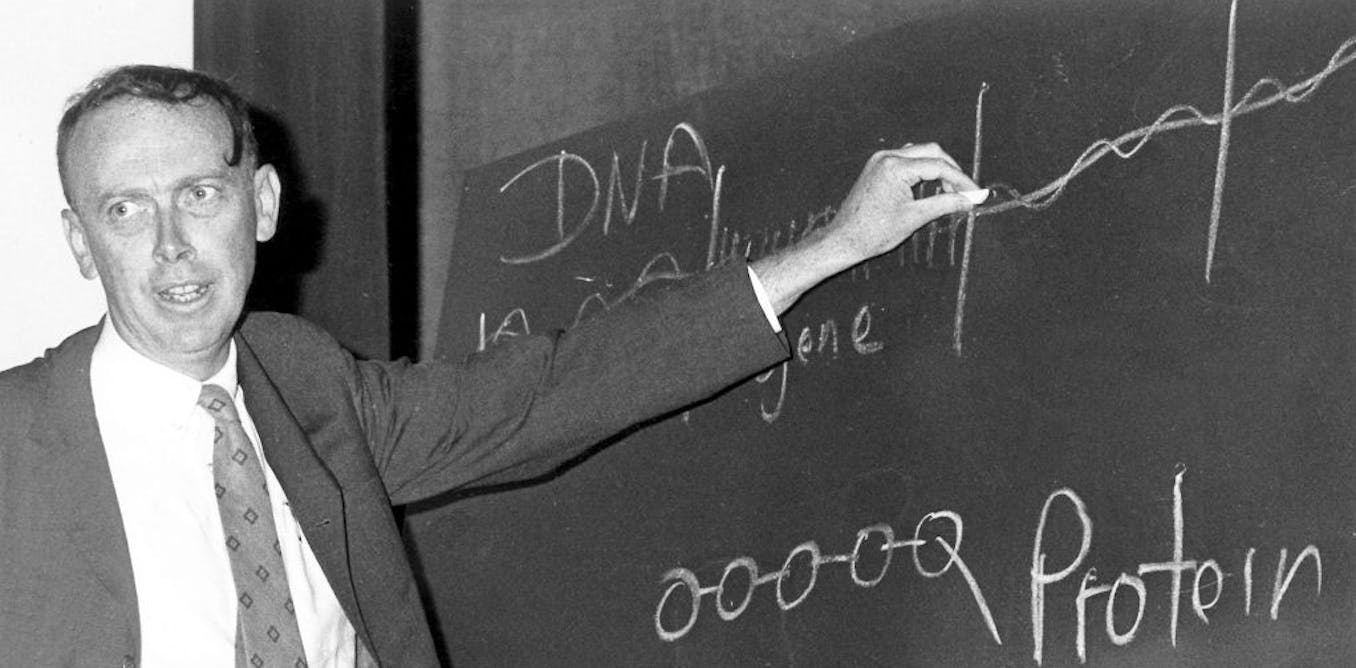
The Conversation’s analysis places Watson within the broader history of scientific discovery, acknowledging his extraordinary intellect while examining the toxic competitiveness of mid-century research culture. It argues that Watson’s story reflects both the triumph of scientific progress and the personal flaws that can accompany great ambition, underscoring the need for ethical reflection in science.
James Watson, dead at 97, was a scientific legend and a pariah among his peers

STAT’s obituary paints a portrait of Watson as both a scientific giant and a cautionary tale. The outlet highlights the duality of his legacy—how he contributed immensely to science but became alienated due to repeated inflammatory comments. It also notes how, despite the controversies, Watson’s name will forever be tied to one of the greatest scientific discoveries of the 20th century.
DNA pioneer James Watson dies at 97
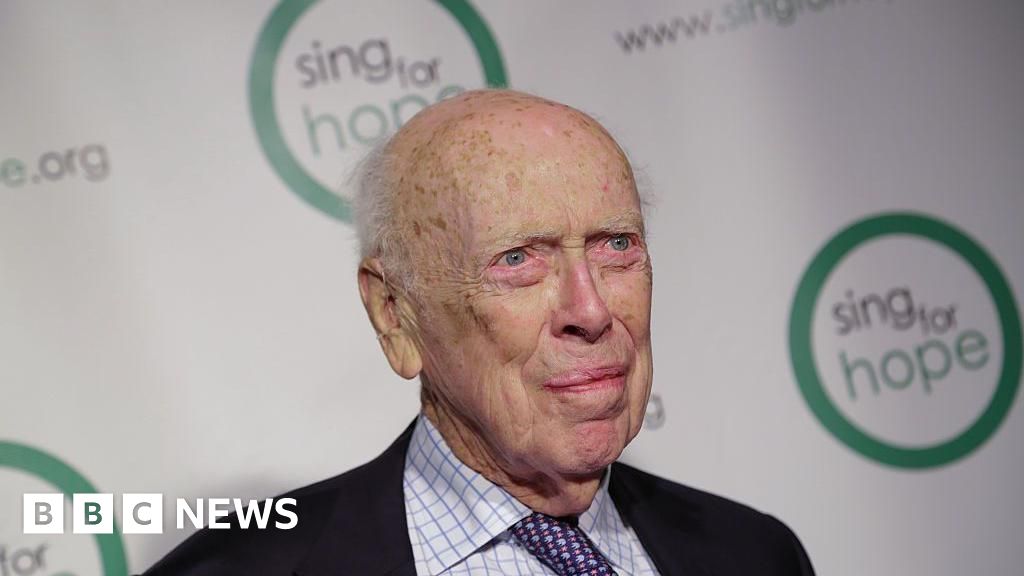
The BBC’s second obituary revisits the scientific details of Watson’s life, emphasizing how his collaboration with Crick and use of Rosalind Franklin’s X-ray data transformed biology. It adds a nuanced view, acknowledging the criticisms but maintaining focus on the enduring scientific importance of his work in uncovering life’s molecular structure.
James Watson, co-discoverer of the double-helix shape of DNA, has died at age 97
AP News framed Watson’s death as the loss of a historic figure in science whose achievements changed how humanity understands life. The report chronicles his collaboration with Francis Crick at Cambridge and their 1962 Nobel Prize in Physiology or Medicine. It also candidly notes the ethical and personal controversies that shadowed him later, illustrating a life of both brilliance and contradiction.
Summary / Insights
Across global media, James Watson’s death has sparked reflection on science’s greatest discoveries and its deepest ethical questions. Outlets like BBC and NPR celebrate his achievements, while others like STAT and The Conversation highlight the moral complexities of his legacy. Together, they portray Watson as a man whose intellect reshaped humanity’s understanding of life but whose personal views remain a stark reminder of science’s human flaws.
TL;DR
James Watson, the co-discoverer of DNA’s double helix, died at 97. His scientific achievements revolutionized biology, but his later controversial statements divided the scientific community. His legacy remains both groundbreaking and contentious.