The Enigmatic Eye of the Sahara: A Geological Marvel
Amidst the vast expanse of the Sahara Desert lies the Richat Structure, also known as the Eye of the Sahara. This geological wonder has intrigued scientists and geologists for decades. Recently, NASA's Earth Observatory captured stunning images of this formation, sparking renewed interest and discussions about its origins and significance. This trend digest explores the latest news coverage and scientific insights surrounding this ancient marvel.
Main Topic Overview
The Richat Structure, located in Mauritania, is a circular formation roughly 40 kilometers in diameter. Its origin, once thought to be the result of a meteor impact, is now widely believed to be a highly eroded geologic dome. The recent satellite imagery is providing new insights into its unique geological features, attracting attention from scientists worldwide.
News Coverage
Trio of 'black mesas' leftover from Paleozoic era spawn rare sand dunes in the Sahara — Earth from space
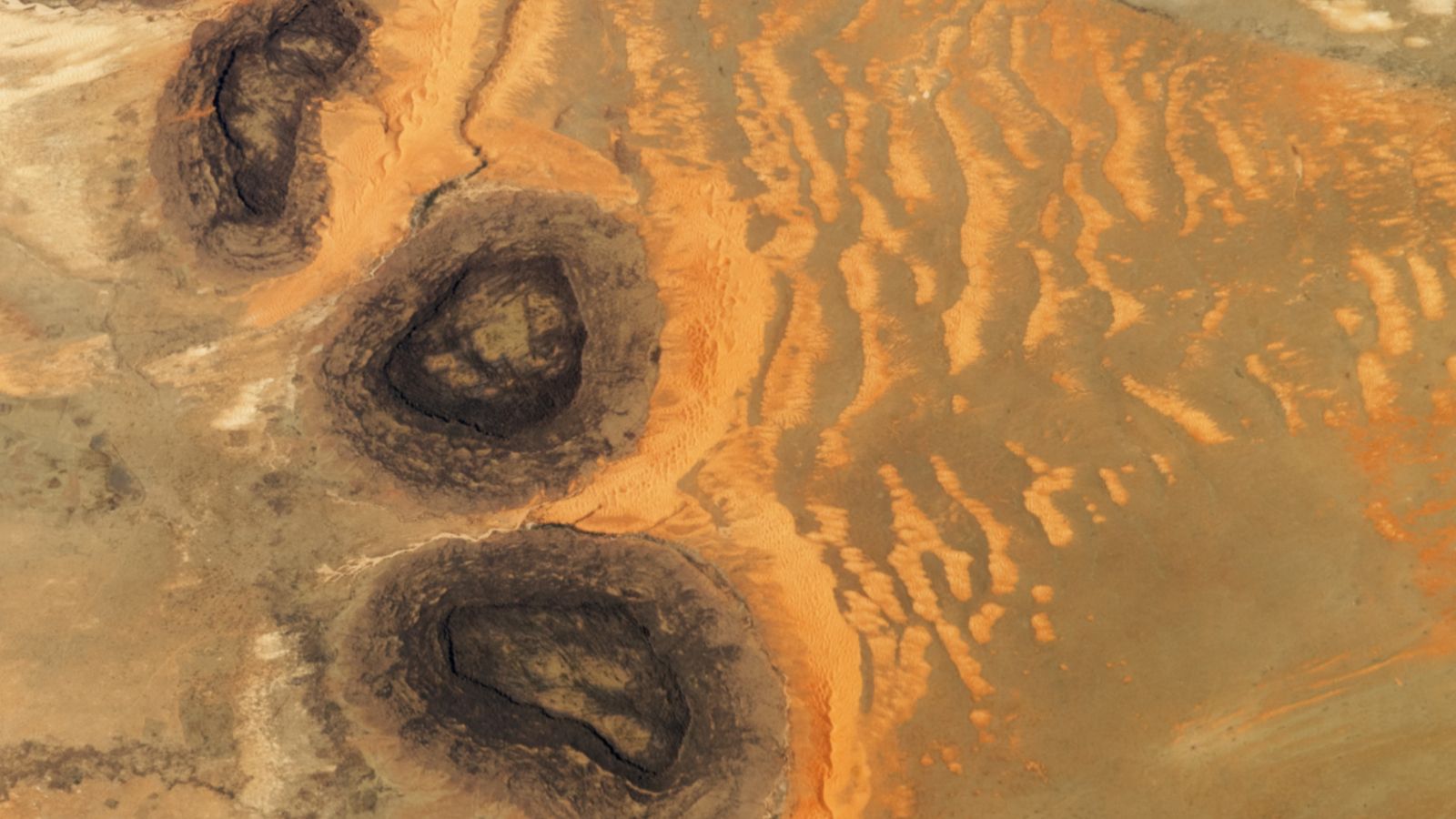
The Live Science article delves into the geological past of the Sahara desert, highlighting the trio of 'black mesas' that offer a glimpse into the Earth's Paleozoic era. These formations are responsible for the rare sand dunes visible from space. The article underscores the significance of these mesas in understanding the Earth's historical geology, linking them to the broader trend of satellite imagery unveiling the Sahara's hidden wonders.
NASA Captures a Strange Formation in the Sahara— and It’s Older Than Dinosaurs

Indian Defence Review focuses on the age and mystery of the Richat Structure, emphasizing its formation long before the age of dinosaurs. The article highlights NASA's role in capturing these captivating images, which have reignited scientific curiosity. The piece also touches on the challenges of deciphering the complex geological history of the Sahara, positioning the Richat Structure as a key to unlocking prehistoric Earth's secrets.
Rare Sahara Sand Dunes Emerge from Paleozoic ‘Black Mesas’ Seen from Space
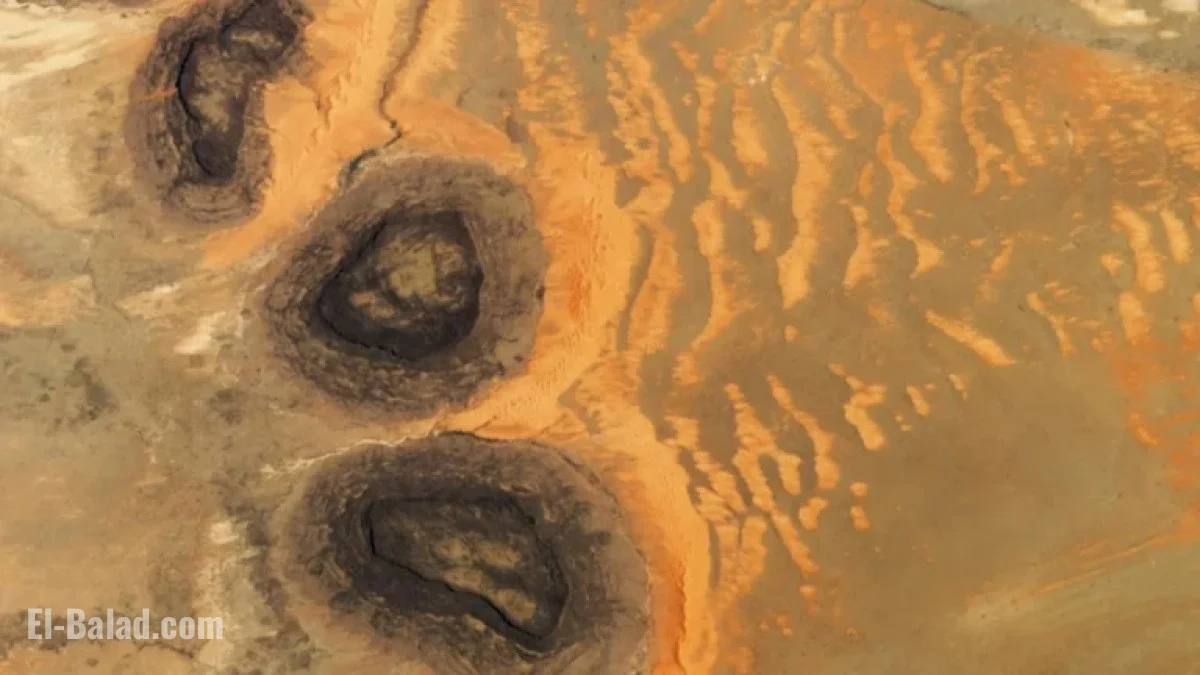
El-Balad.com explores the emergence of rare sand dunes from the black mesas, captured vividly by satellite images. The article highlights the intricate patterns and formations that these dunes exhibit, providing insights into the Sahara's dynamic geological processes. This coverage ties into the broader narrative of using space technology to uncover and study ancient geological phenomena, such as the Richat Structure.
Rings of Rock in the Sahara
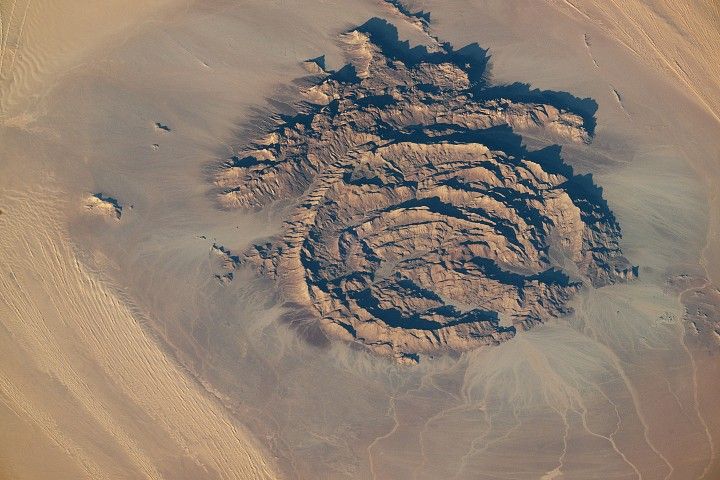
NASA Science provides a detailed examination of the ring-like formations within the Sahara, emphasizing the geological processes that have sculpted these features over millions of years. The article details the scientific methodologies employed to analyze these formations, shedding light on the Earth's evolutionary history. This scientific perspective adds depth to the understanding of the Richat Structure's significance in modern geology.
Summary / Insights
The recent surge in interest around the Eye of the Sahara highlights the intersection of technology and geology. Satellite imagery and Earth observation technologies are pivotal in uncovering and understanding ancient geological structures. The Richat Structure serves as a testament to the Earth's dynamic history, offering a window into the past and sparking discussions about the planet's geological evolution. As research continues, the Eye of the Sahara may reveal more secrets, enhancing our understanding of both regional and global geological phenomena.