
Apple Design Chief Alan Dye's Departure to Meta: A Major Tech Shift
Alan Dye, Apple's Vice President of Human Interface Design, has made headlines with his sudden move to Meta. This significant shift marks a pivotal moment in the tech industry, as it highlights the growing competition for top design talent between leading tech companies. In this trend digest, we explore the timeline of events, media coverage, and potential implications of Dye's departure.
Main Topic Overview
Alan Dye has been a pivotal figure in Apple's design team, contributing to the iconic user interfaces that define the company's products. His move to Meta signals a strategic acquisition by the social media giant, aiming to bolster its own design capabilities. This transition is part of a larger trend of talent shifts in the tech industry, as companies vie for innovative leaders to drive future projects.
News Coverage
Apple’s head of UI design is leaving for Meta

The Verge reports on Alan Dye's departure from Apple, highlighting the strategic importance of his transition to Meta. Dye's expertise in user interface design is seen as a valuable asset for Meta, as the company seeks to enhance its product offerings and user experiences. This move is indicative of the competitive landscape in the tech industry, where top talent is highly sought after.
Apple design VP Alan Dye departing for Meta

9to5Mac underscores the significance of Dye's decision to join Meta, noting his extensive contributions to Apple's design ethos. His departure is seen as a loss for Apple, which has long been celebrated for its design excellence. The move also underscores Meta's ambitions to strengthen its design team amid growing competition in the tech sector.
Apple UI Design Chief Alan Dye Leaving for Meta

According to MacRumors, Dye's move is part of a broader talent migration trend within the tech industry. The report highlights how Meta's recruitment strategy focuses on acquiring high-caliber individuals who can drive innovation. This shift also reflects changing dynamics in design leadership, as companies pivot towards more immersive and user-centric technologies.
Apple Loses Key UI Designer to Meta: Design Exodus Reveals
Gadget Hacks delves into the broader implications of Dye's departure, labeling it as part of a 'design exodus' from Apple. This perspective suggests potential vulnerabilities at Apple, where strategic departures could impact product development. Meta's gain is portrayed as a strategic win, enhancing its design prowess as it competes with Apple and other tech giants.
Bloomberg Reports That Alan Dye Is Leaving Apple

MacStories references Bloomberg's report, emphasizing the impact of Dye's exit on Apple's leadership in design innovation. Blooming underlines how Dye's move to Meta might influence Apple's future projects and its ability to retain top-tier talent. The article also speculates on the potential shifts in leadership dynamics within both companies following this high-profile transition.
Report: Meta poaches Apple design chief Alan Dye
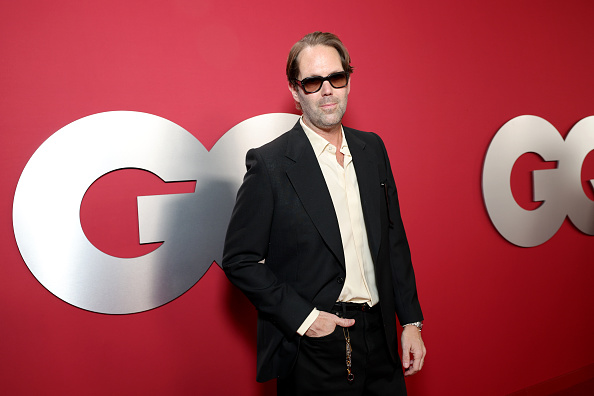
Sherwood News discusses Meta's strategic poaching of Alan Dye, a move seen as a direct effort to weaken Apple's design dominance. The article explores how this talent acquisition might accelerate Meta's development in augmented reality and virtual reality, areas crucial for the company's future growth. It also points to a trend where tech giants are increasingly competing for a limited pool of design experts.
Summary / Insights
The media coverage of Alan Dye's move from Apple to Meta reflects a significant shift in the technology sector's talent landscape. This transition underscores the competitive nature of top-tier tech firms in recruiting and retaining influential design leaders. While Meta stands to benefit from Dye's expertise in enhancing its user experience, Apple's challenge lies in maintaining its design leadership amid such high-profile departures. The ongoing talent migration could reshape strategies and innovation across the industry, influencing future developments in user interface and experience design.

Resources
Sources and references cited in this article.