
UK inflation climbed to 3.6% in the year to October 2026, marking the fourth consecutive monthly increase and pushing consumer price growth to its highest level in a year. Driven primarily by a surge in motor fuel prices—with diesel hitting an all-time record of 199.5p a litre—the latest figures from the Office for National Statistics (ONS) underscore how geopolitical tensions in the Middle East are rippling through household budgets and global energy markets.

What the Company Announced
The Office for National Statistics confirmed that the Consumer Prices Index (CPI) rose from 3.5% in September to 3.6% in October, matching City economists' forecasts. This marks the fourth straight monthly acceleration since inflation stood at 3.1% in August, keeping price growth well above the Bank of England's 2% target.
Grant Fitzner, the ONS chief economist, noted that fuel costs were a primary driver behind the increase, pointing out that annual costs for both raw materials and factory-gate goods continue to rise due to elevated crude oil and petrol prices. Alongside higher pump prices, the October data captured the first impact of a nearly 4% increase in the domestic energy price cap set by regulator Ofgem, as well as an earlier-than-usual October 1 hike in tobacco duty.
Key Financial Details
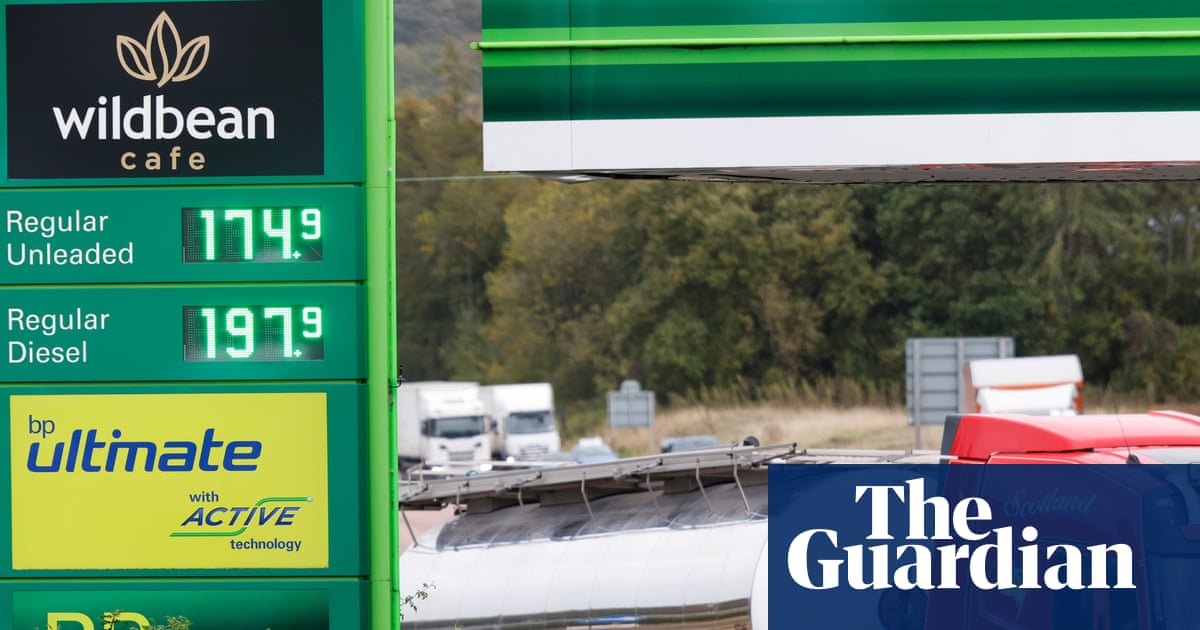
Motor fuel prices experienced their steepest annual jump since July 2022, climbing at a yearly rate of 33.2%. Between September and October alone, average petrol prices increased by 5.2p to reach 174.7p a litre—a four-year high—while diesel surged by 7p to 199.5p a litre, the highest level recorded since tracking began in 1996.
- Headline CPI: Rose to 3.6% in October, up from 3.5% in September and 3.1% in August.
- Core Inflation: Held steady at 2.8%, excluding volatile energy, food, alcohol, and tobacco prices.
- Services Inflation: Remained unchanged at 3.7%, slightly below analysts' 3.8% forecast.
- Food Inflation: Slowed to 0.9% from 1.3% in September, marking its lowest pace since September 2021.
- Household Energy Bills: October's Ofgem cap rise added roughly £60 a year to a typical dual-fuel bill, while energy consultancy Cornwall Insight forecasts a 26% surge in January that would lift annual bills by £443 to £2,166.
Why the Company Is Doing This
The surge in fuel and energy prices stems directly from global supply disruptions triggered by the conflict in the Middle East. Following attacks on Iran by the US and Israel in February, threats to maritime shipping through the Strait of Hormuz have driven up crude oil transport costs and maritime insurance rates worldwide.
In response to the October data, Chief Secretary to the Treasury Emma Reynolds stated that both the Middle East conflict and Russia's invasion of Ukraine have elevated costs globally. Meanwhile, Shadow Chancellor Andrew Griffith attributed the fourth consecutive rise to soaring energy expenses alongside government tax and employment policies, warning that persistent inflation erodes purchasing power and prolongs elevated borrowing costs.
Impact on Employees, Customers, and Investors
For UK households, higher pump prices and incoming winter heating bills are creating a renewed cost-of-living squeeze. While slowing inflation in groceries, hotel stays, and cafe meals has helped cushion the broader economy—with the Bank of England noting that many businesses are absorbing higher costs rather than passing them on—energy consultancy Cornwall Insight's Craig Lowrey warned that a projected 26% jump in January energy tariffs comes at the worst possible time during peak winter heating demand.
To offset winter pressures, Chancellor John Healey's October 28 Budget introduced a £100 Household Energy Payment directly into 20 million bank accounts in January, alongside plans to end certain bill levies and scrap standing charges. For investors and borrowers, however, sticky energy inflation complicates monetary policy. On November 5, the Bank of England raised its benchmark interest rate for the first time in three years, moving from 3.75% to 4%, and financial markets are pricing in at least two additional quarter-point hikes before the end of next year. For US investors and businesses with transatlantic exposure, rising UK borrowing costs and strained consumer spending signal slower growth across a key trading partner, even as recent US midterm election developments have prompted a modest pullback in wholesale gas prices on hopes of a diplomatic breakthrough.
What Comes Next
Attention now turns to next Wednesday, when energy regulator Ofgem will officially announce the January household energy price cap. Households in England, Scotland, and Wales on standard variable tariffs will learn whether bills match Cornwall Insight's forecast of £2,166 a year.
Looking further ahead, the Bank of England projects headline inflation will continue climbing to a peak of 4.9% in mid-2027, not returning to its 2% target until 2028—and potentially reaching 6.2% if the US-Iran conflict escalates further. Policymakers will weigh whether to implement another interest rate hike as early as next month depending on wholesale energy movements and domestic wage pressures.
Frequently Asked Questions
Why did UK inflation rise to 3.6% in October 2026?
UK inflation rose from 3.5% to 3.6% primarily because motor fuel prices jumped at an annual rate of 33.2% and Ofgem's domestic energy price cap increased by nearly 4% in October, driven by Middle East conflict disruptions to global oil and gas shipping.
How much did petrol and diesel prices increase in the UK?
Between September and October, average UK petrol prices rose by 5.2p to 174.7p a litre, a four-year high, while diesel prices climbed 7p to a record high of 199.5p a litre.
What is expected to happen to UK energy bills in January?
Energy consultancy Cornwall Insight forecasts a 26% rise in the Ofgem energy price cap in January, which would increase a typical household's annual dual-fuel bill by £443 to £2,166, though the UK government is providing a £100 payment to 20 million households.
How is the Bank of England responding to rising inflation?
On November 5, the Bank of England raised interest rates from 3.75% to 4%—its first hike in three years—and projects inflation could peak at 4.9% in mid-2027 before returning to its 2% target in 2028.