
US-China Trade and Power Dynamics Intensify Around Import Expo and South China Sea
As diplomatic and economic ties between the United States and China continue to evolve, two parallel narratives dominate headlines: renewed U.S. participation in China’s import expos and heightened military maneuvers in the South China Sea. This digest examines the latest developments—from agricultural trade to maritime strategy—and how both sides are shaping their influence through commerce and defense posturing.
Main Topic Overview
The China International Import Expo (CIIE) has become a key platform for global trade, with U.S. companies reasserting their presence despite recent political frictions. Meanwhile, tensions at sea underscore a deeper geopolitical rivalry as both nations test strategic limits. Together, these developments reflect the dual-track nature of U.S.-China relations—cooperation through trade, competition through power projection.
News Coverage
US government shutdown muddies China trade as agricultural officials miss expo

The South China Morning Post reported that the recent U.S. government shutdown disrupted agricultural representation at the Shanghai Import Expo. Several federal officials missed key trade discussions, raising concerns about lost opportunities for American exporters. Analysts observed that this absence contrasted sharply with China’s strong diplomatic signaling, where agricultural partnerships are viewed as tools of soft power in an uncertain global economy.
US farmers flock to CIIE, eyeing return to Chinese market: ‘We’re not going anywhere’
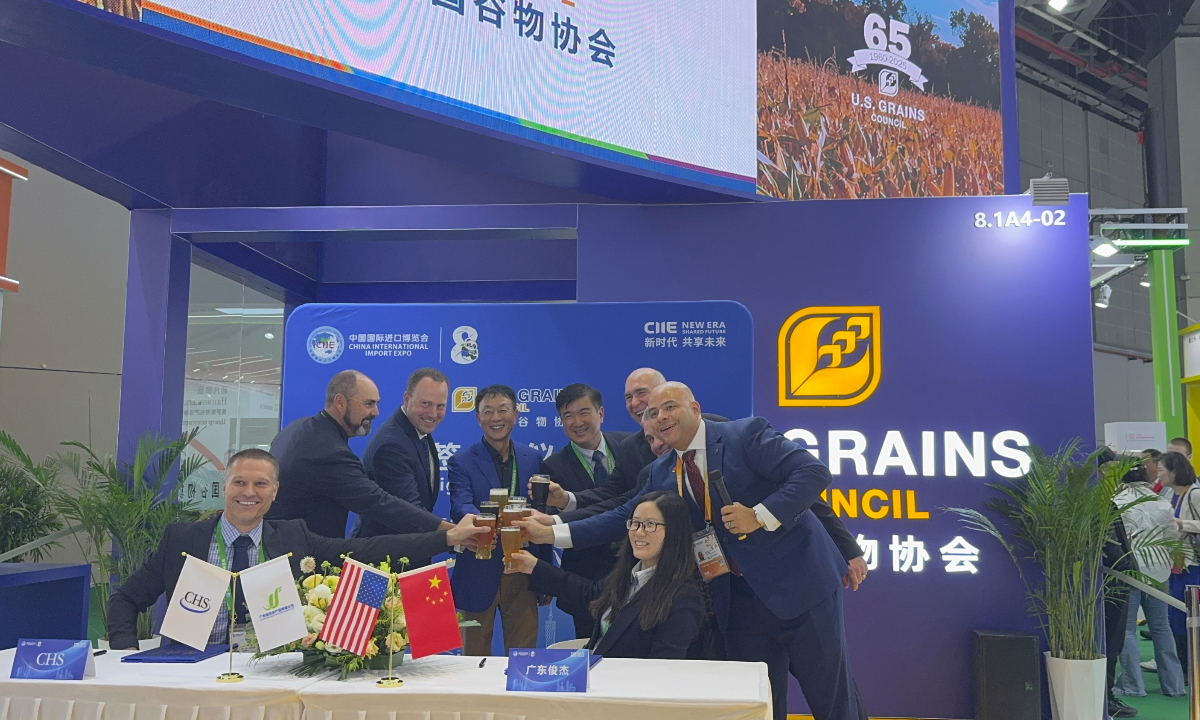
The Global Times highlighted the strong turnout of U.S. agricultural companies at the CIIE, emphasizing optimism about renewing ties with Chinese importers. The phrase “We’re not going anywhere” became a symbolic statement of resilience amid trade uncertainty. The piece underscored that U.S. producers remain committed to accessing China’s vast consumer base, despite tariffs and political tensions.
U.S. agriculture products at trade show in Asia
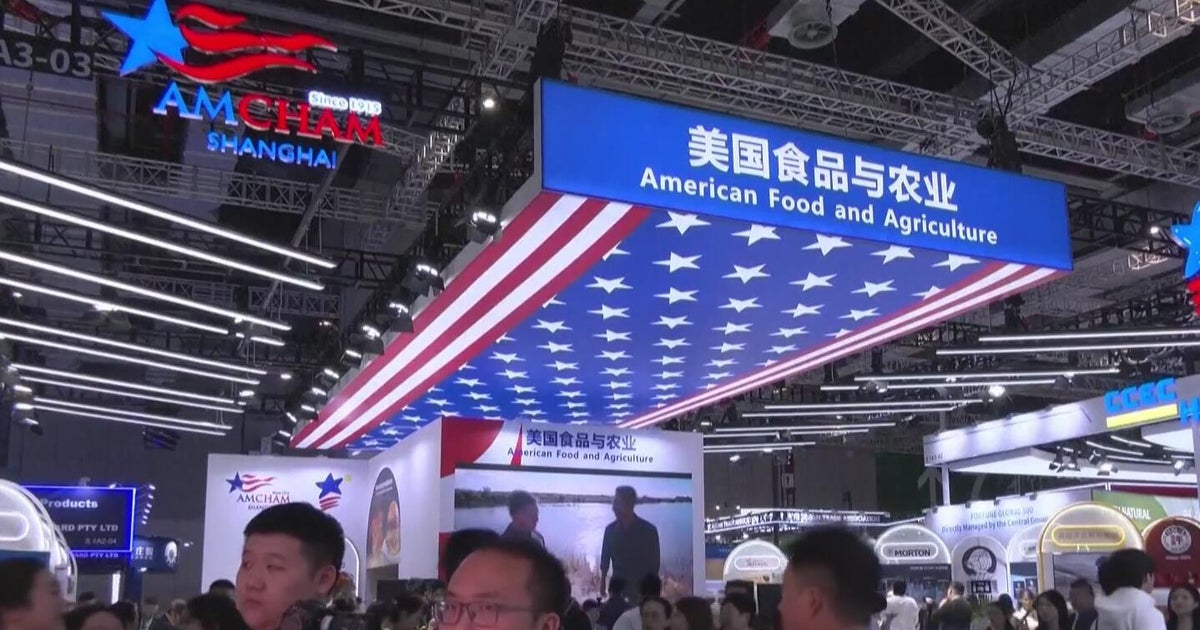
CBS News covered how American agricultural brands showcased their products across Asia, highlighting growing regional demand for U.S. soybeans, meat, and dairy. The report noted that despite political complexities, business engagement remains robust, with private-sector partnerships stepping in where official delegations were absent. This demonstrated the adaptability of U.S. exporters navigating shifting trade conditions.
CEO of USSEC at CIIE: 'They want trade, not aid'
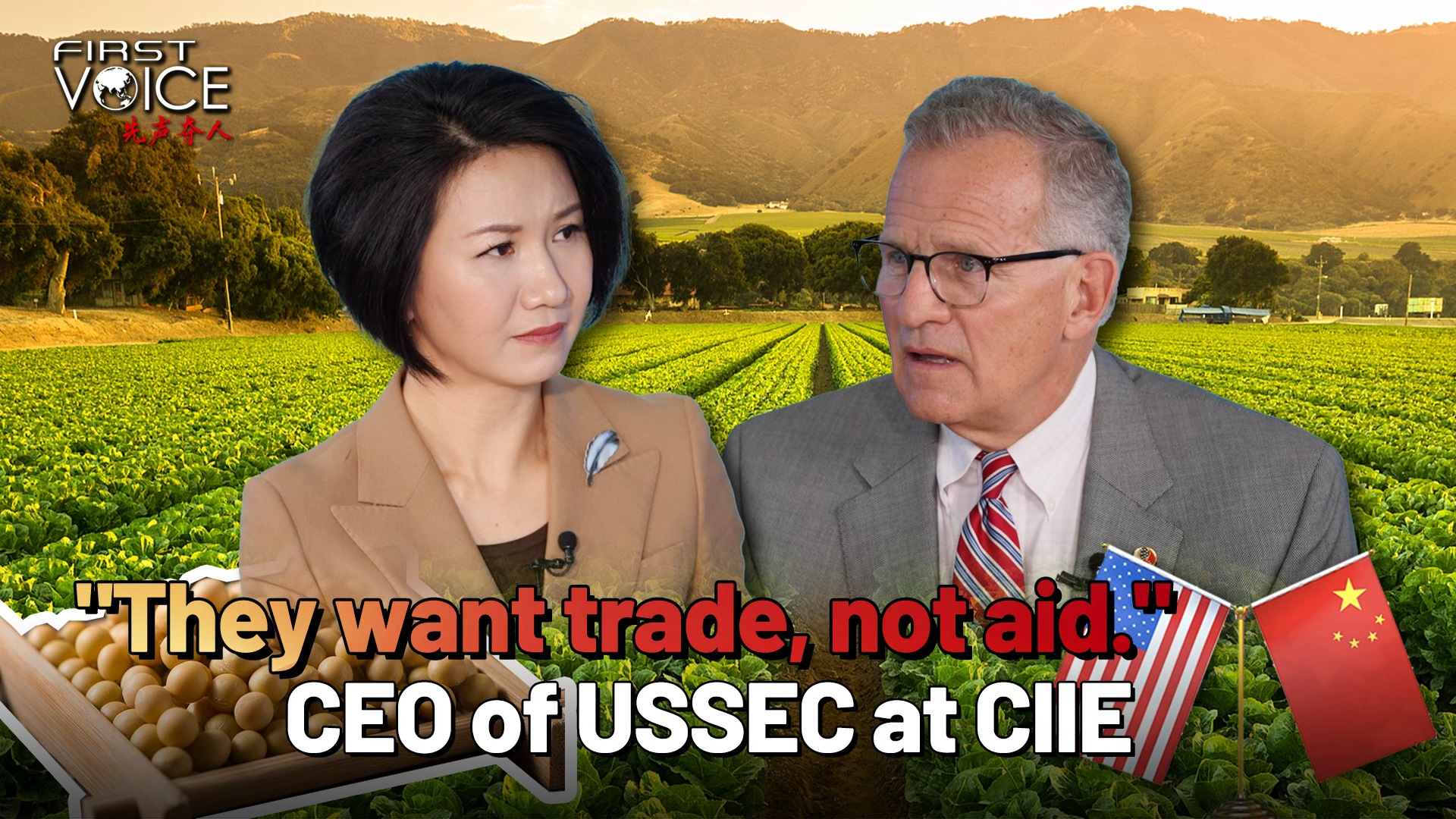
In a televised segment, CGTN interviewed the CEO of the U.S. Soybean Export Council, who remarked that “China wants trade, not aid.” The statement emphasized mutual economic interest over political posturing. The coverage portrayed agricultural cooperation as a stabilizing force within otherwise strained bilateral relations, reinforcing that U.S. exports still hold strategic value for China’s food security goals.
Xi-Trump summit opens window of opportunity for US firms at China import expo
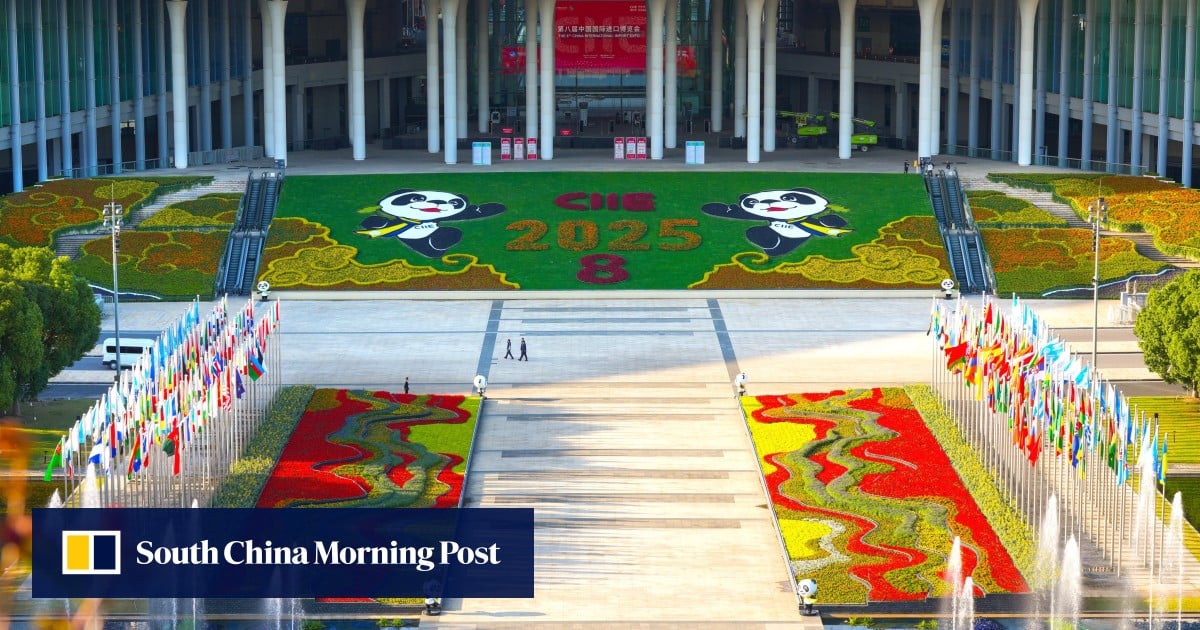
This SCMP report linked the CIIE’s timing with the aftermath of a Xi-Trump summit, suggesting that political thawing has encouraged U.S. firms to re-engage with the Chinese market. The article outlined how American exhibitors leveraged the summit’s positive tone to rebuild trust and secure business deals, particularly in agriculture and technology sectors.
High stakes on the high seas as US, China test limits of military power
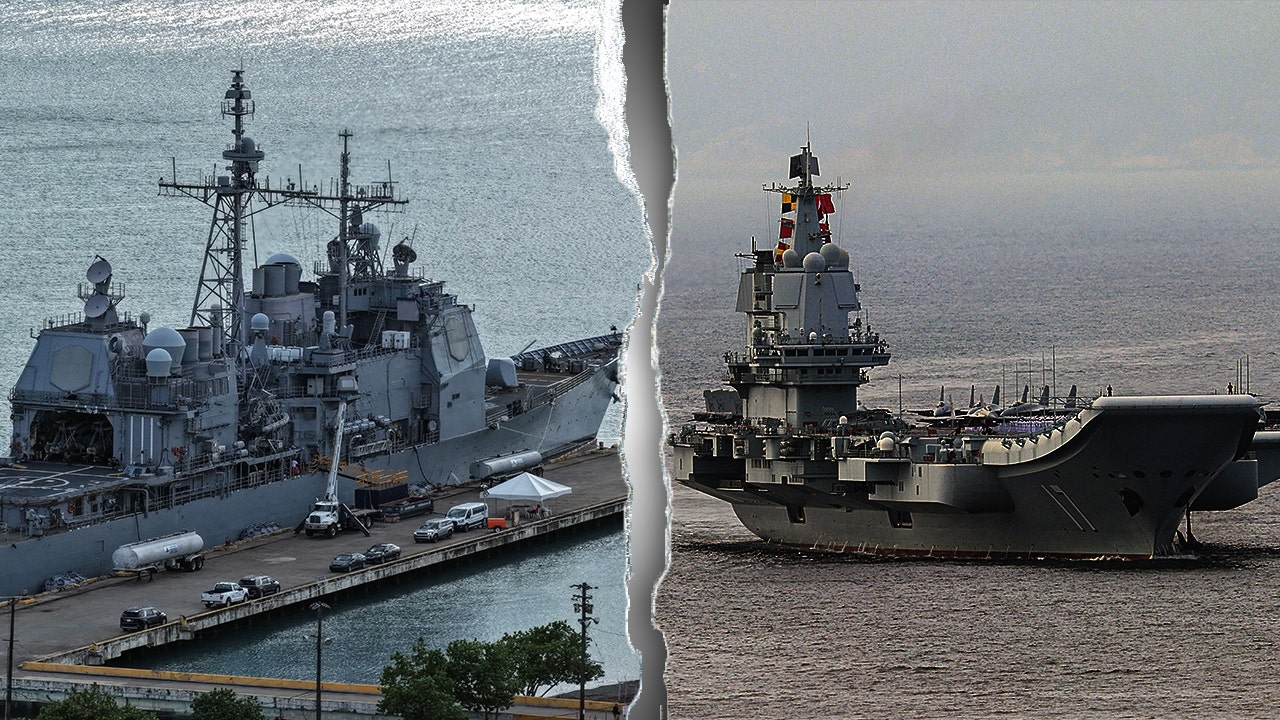
Fox News examined the concurrent military developments, reporting that U.S. and Chinese naval forces continue to test boundaries in the South China Sea. The article underscored how the region has become a proving ground for military signaling amid trade negotiations, reinforcing the interconnected nature of economic diplomacy and security posturing.
Satellite Photo Shows US Carrier Strike Group in South China Sea
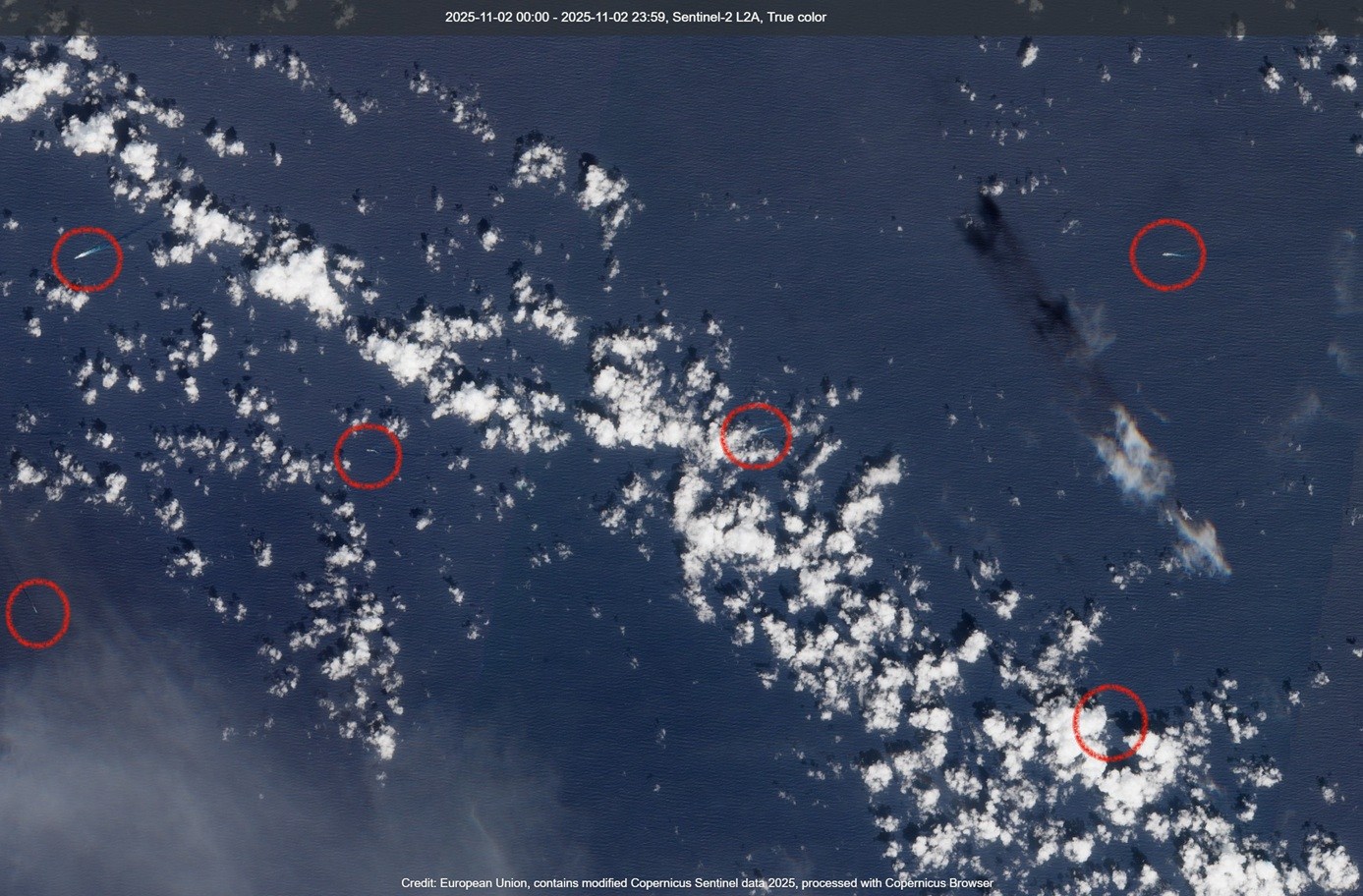
Newsweek published new satellite imagery showing a U.S. carrier strike group operating in contested waters near Chinese patrol zones. Analysts interpreted the move as a deliberate “show of presence” amid ongoing diplomatic talks. The timing, coinciding with trade discussions, revealed how both nations are managing dual narratives—economic cooperation and military vigilance.
Summary / Insights
Recent coverage illustrates the complex duality of U.S.-China relations. On one hand, trade engagement through events like the CIIE suggests cautious optimism and mutual dependency, particularly in agriculture and commerce. On the other, persistent military maneuvers highlight underlying distrust and strategic rivalry. The convergence of these dynamics suggests that future cooperation will likely be pragmatic—rooted in economic necessity but tempered by geopolitical caution.
Internal link: none yet

Resources
Sources and references cited in this article.