
Colton Underwood and the ‘Traitors’ Storm: How One Reality TV Moment Sparked a Wider Entertainment Debate
In mid-January 2026, Colton Underwood unexpectedly returned to the center of the U.S. entertainment conversation—not through a new personal announcement or career move, but through a heated moment on the reality competition series The Traitors. A comment made during a tense roundtable discussion triggered widespread media coverage, debate across platforms, and renewed scrutiny of how reality television handles sensitive personal history. What followed was not a single controversy, but a layered discussion involving intent, perception, casting choices, and the evolving expectations placed on unscripted TV.
Main Topic Overview
Colton Underwood’s participation in The Traitors initially drew attention because of his well-documented past in reality television and his public coming-out in 2021. However, the current trend centers less on his casting and more on how a remark from fellow contestant Michael Rapaport was interpreted by audiences, media outlets, and commentators. The situation illustrates how modern reality TV moments can rapidly extend beyond the screen, becoming cultural flashpoints shaped by social media amplification, past context, and differing interpretations of intent.
News Coverage
‘The Traitors’: Michael Rapaport Claims Controversial Remark to Colton Underwood About Keeping a Secret Had ‘Nothing to Do With His Sexuality’

Variety’s reporting focuses on Rapaport’s response after the episode aired, emphasizing his assertion that the comment was strategy-driven rather than personal. He framed the remark as part of gameplay dynamics inherent to The Traitors, where secrecy and suspicion are central mechanics. The article situates his explanation alongside audience reactions, highlighting the gap between contestant intent and viewer interpretation. This framing underscores how reality TV conflicts often evolve once filtered through public discourse.
The Traitors Is Playing Its Villain Game Perfectly
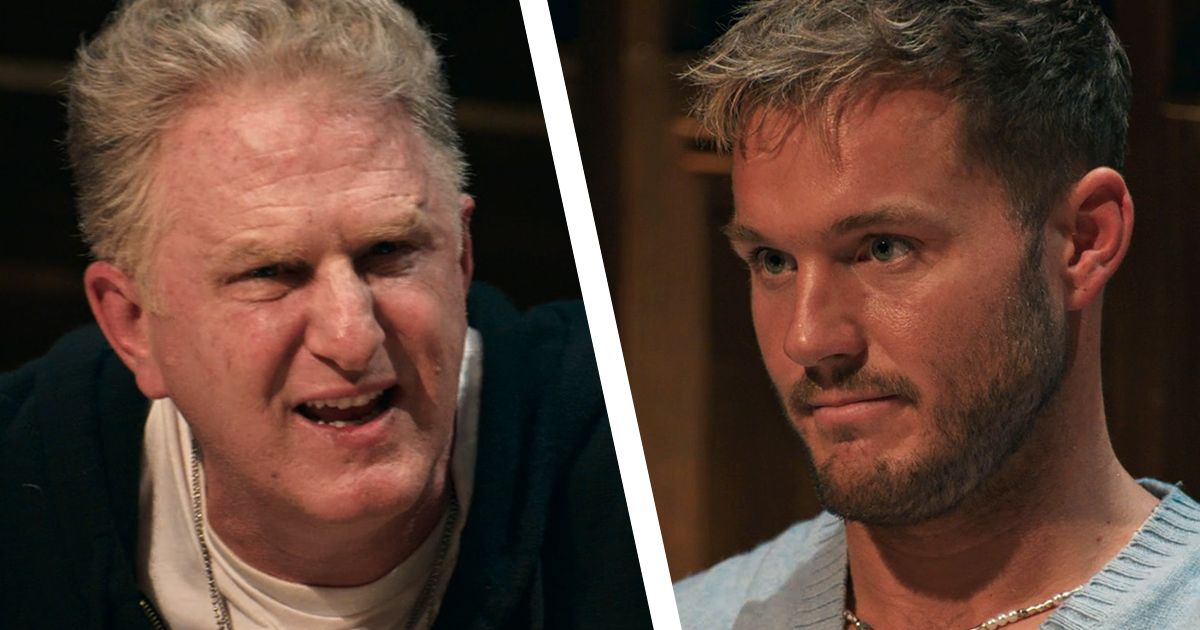
Vulture approaches the controversy from a structural perspective, arguing that the show’s design intentionally amplifies morally ambiguous behavior. Rather than isolating the comment itself, the piece connects Underwood’s moment to the broader tradition of reality TV villains. It suggests that discomfort and debate are not accidental outcomes but built-in features of the format. Within this lens, the Underwood-Rapaport exchange becomes part of a calculated narrative engine rather than an isolated misstep.
Controversial Comment by Michael Rapaport Erupts on ‘The Traitors’
:max_bytes(150000):strip_icc()/the-traitors-Michael-Rapaport-011526-a475860a1faf452493644f62aaba2508.jpg)
Entertainment Weekly documents the immediate fallout following the episode’s broadcast, noting how quickly the moment circulated online. The coverage balances viewer criticism with references to the show’s competitive environment. By compiling reactions from fans and commentators, the article reflects how entertainment media often acts as a bridge between on-screen events and broader cultural conversations, especially when past personal histories intersect with present gameplay.
‘TMZ Live’ Heats Up Over Differing Opinions on Michael Rapaport's ‘Traitors’ Comment
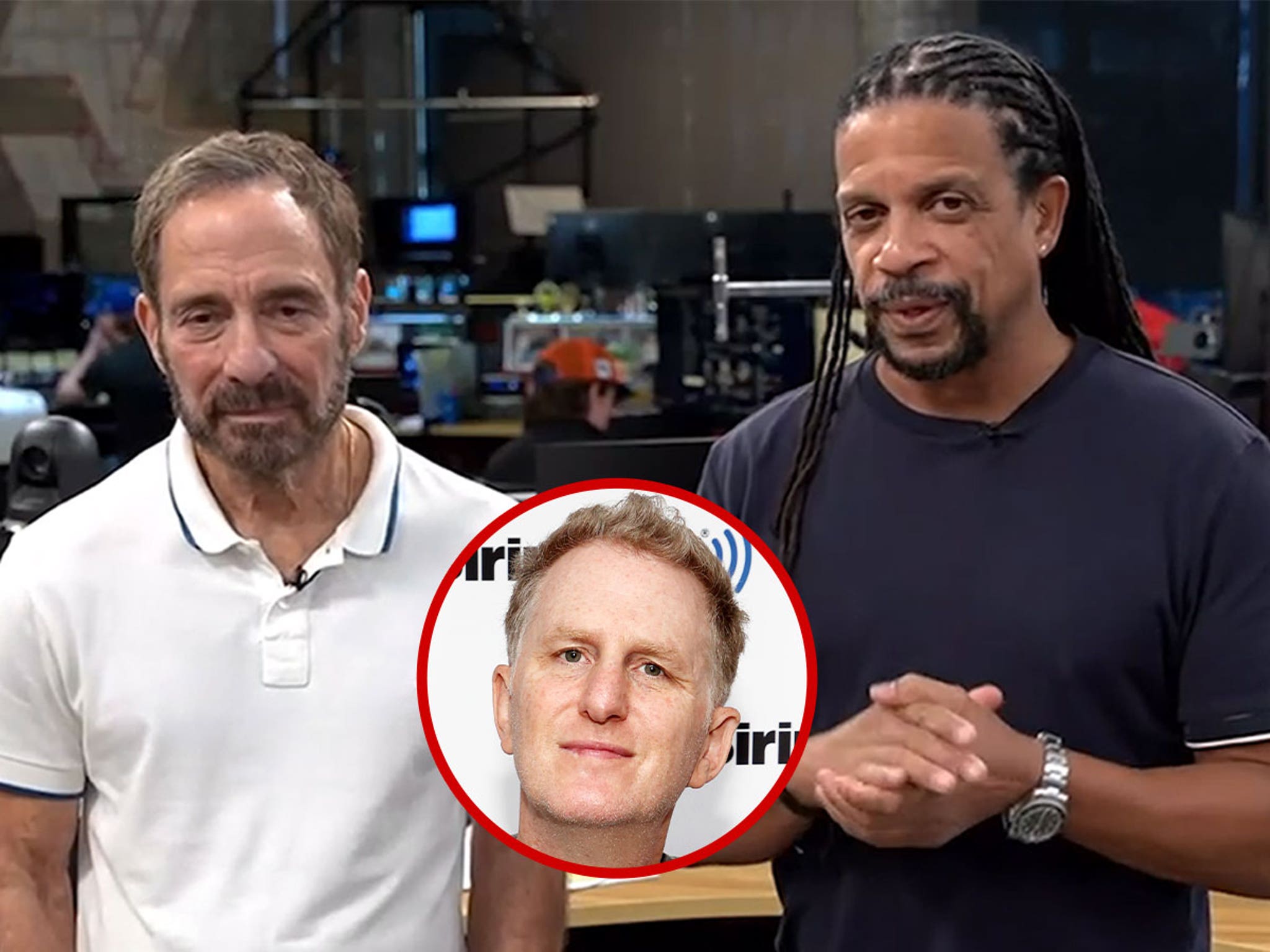
TMZ’s coverage centers on disagreement, showcasing how even commentators remain split on interpretation. The segment highlights competing viewpoints: some viewing the remark as part of competitive banter, others seeing it through the lens of Underwood’s public past. This division mirrors the broader audience response and illustrates how entertainment news increasingly thrives on debate rather than consensus.
Michael Rapaport Was the Best at Being the Worst on ‘The Traitors’

Salon frames the incident within Rapaport’s on-screen persona, portraying the controversy as consistent with the role he occupied on the show. Rather than isolating Underwood, the article evaluates how casting choices shape audience expectations. This approach shifts attention from individual sensitivity to production strategy, reinforcing the idea that reality TV outcomes are rarely accidental.
Michael Rapaport Attacks Colton Underwood's Sexuality Struggles During ‘The Traitors’ Roundtable

Page Six presents the moment in more direct terms, emphasizing perceived personal impact. The article draws heavily on language that reflects audience outrage, framing the exchange as an escalation rather than a neutral gameplay moment. This contrast with other outlets demonstrates how editorial tone can significantly influence public perception of the same televised event.
‘The Traitors’ Star Michael Rapaport Has a Long History of Being Unlikable

Out Magazine situates the controversy within a longer cultural narrative, referencing past moments that shaped Rapaport’s public image. The article connects Underwood’s experience to broader discussions about representation and responsibility in entertainment. By providing historical context, it frames the incident as part of an ongoing dialogue rather than a one-off dispute.
Michelle Randolph Reveals Lesson Learned From Sister Cassie Randolph's Time on The Bachelor

E! News expands the conversation by revisiting Colton Underwood’s earlier reality TV chapter. Through reflections connected to The Bachelor, the article reminds readers that current reactions are informed by years of accumulated narrative. This linkage illustrates how reality TV figures rarely escape their past portrayals, even when appearing in new formats.
Exclusive: Colton Underwood Was “Rattled” By Michael Rapaport's ‘Traitors’ Comment
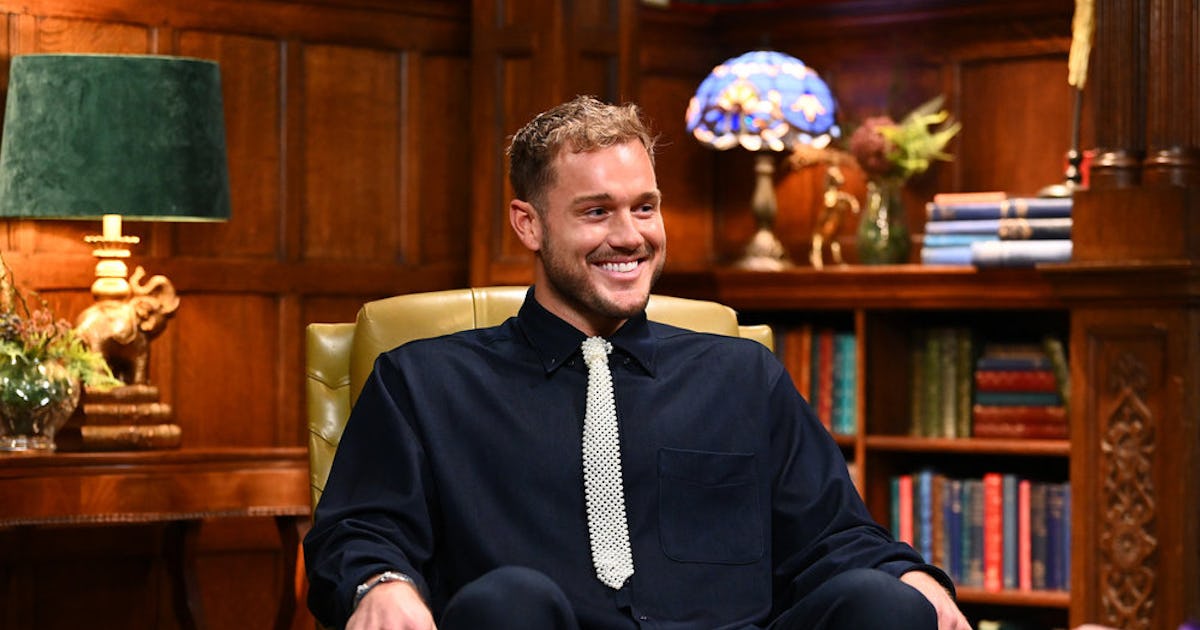
Bustle provides direct insight into Underwood’s reaction, emphasizing the personal effect of the moment rather than its strategic framing. The article adds emotional depth to the trend, showing how on-screen conflicts can carry weight beyond filming. This perspective balances more analytical takes by centering lived experience.
Summary / Insights
Taken together, the coverage reveals a familiar pattern in modern entertainment: a single reality TV moment becomes a prism through which larger cultural questions are debated. Some outlets emphasize intent and gameplay, others focus on impact and historical context. The Colton Underwood trend underscores how reality television now operates within a hyper-connected media ecosystem, where meaning is shaped as much by commentary as by the original footage.
TL;DR
A comment on The Traitors involving Colton Underwood sparked widespread debate, with media outlets interpreting the moment through lenses of gameplay, personal history, and production strategy—highlighting how reality TV controversies now extend far beyond the screen.

Resources
Sources and references cited in this article.