
Jacob Elordi and Guillermo del Toro’s Frankenstein: A Modern Resurrection of Classic Horror
Guillermo del Toro’s long-anticipated adaptation of Frankenstein has reignited both cinematic and cultural fascination with Mary Shelley’s timeless creation—this time through the haunting performance of Jacob Elordi. The film blends gothic scale with emotional redemption, and its rollout has spurred deep discussions around artistry, ethics, and innovation. Across newsrooms from Variety to The Verge, the monster is alive again—both literally and metaphorically—for the streaming age.
- Examine how Jacob Elordi’s portrayal redefines the creature for modern audiences
- Analyze Guillermo del Toro’s thematic focus on forgiveness and creation
- Trace the film’s design, production, and release narrative across sources
- Contrast critical and scientific analyses of Frankenstein’s realism
- Summarize broader cultural resonance in today’s technology-driven world
Main Topic Overview
Netflix’s Frankenstein, helmed by Oscar-winning visionary Guillermo del Toro, pairs horror’s archetypal myth with the emotional gravity of forgiveness and consequence. Jacob Elordi, fresh off breakout performances, embodies the monster with humanity and tragedy rather than menace. As del Toro’s adaptation draws near, media coverage paints a layered portrait—part behind-the-scenes craftsmanship, part philosophical reflection on identity, mortality, and creation in the digital era. The project stands as both a technical marvel and an existential mirror for audiences of 2025.
News Coverage
Guillermo del Toro on ‘Frankenstein’s’ Epic Scale and the Film’s Message of Forgiveness

Variety’s deep dive captures del Toro’s emotional vision: a grand gothic canvas about compassion and second chances. The director emphasizes that forgiveness—not fear—is the story’s moral heartbeat, contrasting modern cynicism with empathy. Del Toro describes Frankenstein as his “most personal” film, balancing spectacle with soul. The analysis frames the movie as both a cinematic resurrection and a reflection of del Toro’s lifelong conversation with monsters, positioning it as prestige horror with heart.
'Frankenstein' Movie Ending Explained: Where Does the Creature Go?
:max_bytes(150000):strip_icc():focal(703x272:705x274)/jacob-elordi-frankenstein-110725-2-ff75a31205fc47588cbdf852181c2524.jpg)
People.com explores the emotional aftermath of the film’s conclusion, decoding the creature’s fate and its metaphorical significance. Jacob Elordi’s final act, filled with quiet dignity, transforms Shelley’s monster from symbol of horror into a vessel of healing. The outlet connects the ending to del Toro’s recurring themes of loneliness and acceptance, providing fans with closure while leaving philosophical questions open. The interpretation contributes to the wider dialogue on redemption and rebirth in contemporary cinema.
Frankenstein: could an assembled body ever breathe, bleed or think? Anatomists explain
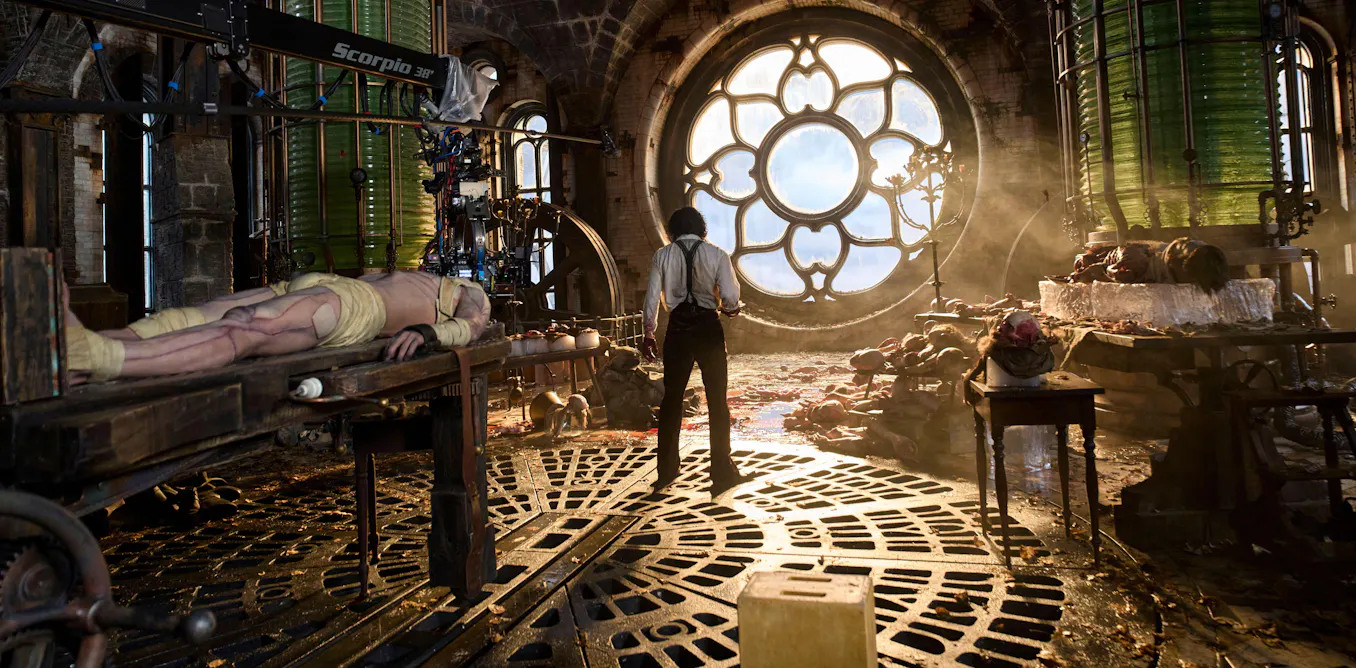
The Conversation brings a scientific lens, dissecting whether Frankenstein’s experiment could hold up to modern anatomical understanding. Experts debunk the feasibility of reanimation, but highlight how Shelley’s questions about life and consciousness remain eerily relevant amid AI and biotech revolutions. This crossover between fiction and frontier science reinforces del Toro’s adaptation as a mirror for current ethical anxieties—about creation, responsibility, and what defines being alive.
Guillermo del Toro delivers a Frankenstein for the tech bro era

Engadget situates the new Frankenstein within the zeitgeist of Silicon Valley hubris. It argues that del Toro’s interpretation speaks directly to a generation playing god through algorithms and innovation. Jacob Elordi’s creature becomes an emblem for technology’s unintended consequences—beautiful, broken, and self-aware. This commentary ties the classic horror myth to ongoing cultural debates about AI ethics, privacy, and moral accountability in tech culture.
Jacob Elordi Transcends with His Frankenstein Transformation

Netflix’s feature profile centers on Elordi’s process—both physical and emotional—in inhabiting the creature. He underwent a transformation that required empathy more than prosthetics, interpreting the monster as a sentient being seeking love and purpose. The coverage humanizes the myth, portraying Elordi as a conduit for del Toro’s compassionate horror. The piece celebrates the synthesis of performance and philosophy that defines this adaptation’s identity.
Only Guillermo del Toro could've made this 'Frankenstein'

NPR celebrates the auteur’s unmatched ability to weave poetry into terror. The review calls the film a “cathedral of empathy,” where monsters are metaphors for misunderstood humanity. It credits del Toro for elevating genre storytelling and highlights how Elordi’s vulnerability bridges horror and heartbreak. The narrative underscores that only del Toro could turn Frankenstein into a meditation on soulfulness rather than fear.
How Frankenstein’s creature designer found a new look for an iconic monster

The Verge interviews creature designer Mike Hill, who reimagined Frankenstein’s visage to evoke both fragility and terror. The design process leaned heavily on Elordi’s physicality—his height, expression, and restraint—to balance realism and myth. The visual approach rejects clichés of bolts and scars, opting instead for emotional legibility. This artistic recalibration underscores the film’s mission: to see the monster not as a freak, but as a reflection of ourselves.
Summary / Insights
Across outlets, a coherent picture emerges: del Toro’s Frankenstein reframes horror as healing. Elordi’s creature stands as a metaphor for creation’s unintended suffering, while del Toro’s storytelling anchors dread in empathy. Critics see the film as both visually operatic and morally intimate—a work that questions who the real monster is in an age of technological ambition. As discourse grows, it’s clear that Frankenstein is not merely being reborn—it’s being reinterpreted for a new moral century.
TL;DR
Jacob Elordi’s emotional metamorphosis and Guillermo del Toro’s humane vision make Netflix’s Frankenstein more than a monster movie—it’s a modern myth about forgiveness, identity, and the price of creation.

Resources
Sources and references cited in this article.