

John Mellencamp’s Greatest Hits Tour: Why the Rock Icon Is Rewriting His Live Playbook
For the first time in years, is leaning fully into the songs that defined his legacy. The announcement of a nationwide greatest-hits tour has sparked a wave of attention across the U.S., not because Mellencamp is returning to the road—he never really left—but because this tour marks a deliberate shift in how he wants to be heard, remembered, and experienced in this stage of his career.
Main Topic Overview
This isn’t the first time Mellencamp has toured extensively, but it is unusual in its framing. In recent years, his live shows often blended deep cuts, spoken-word segments, and thematic storytelling. Previously, Mellencamp resisted the idea of a straightforward hits-driven setlist, preferring concerts that challenged audiences as much as they entertained them. Building on earlier tours that emphasized artistic evolution, the new run signals a recalibration—one that acknowledges nostalgia without fully surrendering to it. For U.S. audiences, the tour arrives at a moment when legacy artists are reassessing how to balance relevance, history, and audience expectations.
News Coverage
Classic rock legend to play biggest hits on tour for first time in years

This report frames the tour as a notable departure from Mellencamp’s recent live philosophy. By highlighting that this is the first time in years he has committed to a true greatest-hits format, the article emphasizes why longtime fans see the announcement as significant. The coverage connects the decision to shifting audience demographics and renewed demand for familiarity. In the broader trend, it reflects how veteran artists are re-evaluating what their core audience wants from live performances.
John Mellencamp dances into Houston on new greatest hits tour
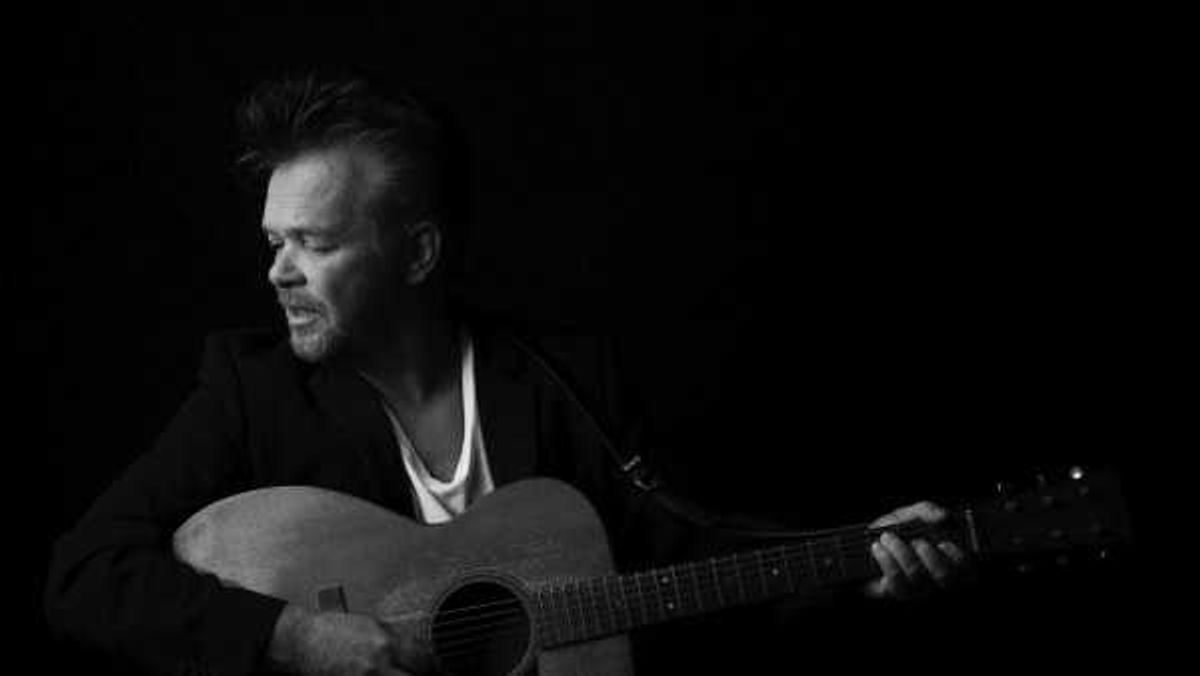
CultureMap Houston focuses on the tour’s regional impact, positioning Mellencamp’s stop as both a concert and a cultural event. The article notes how cities like Houston continue to be reliable markets for legacy rock acts, especially when tours promise recognizable material. Rather than framing the show as a retrospective, the coverage suggests an atmosphere of celebration. This reinforces the idea that greatest-hits tours can feel current when presented with energy and intent.
John Mellencamp Announces Greatest Hits Tour with Some Help from Sean Penn (Exclusive)
:max_bytes(150000):strip_icc():focal(703x253:705x255)/John-Mellencamp-Dancing-Words-Tour-011226-8e2c2bf58e514cf68b428568aaac049d.jpg)
This exclusive angles the story toward creative collaboration, noting the involvement of actor and longtime friend Sean Penn in shaping the tour’s presentation. Rather than focusing solely on setlists, the piece explores how narrative and visuals may still play a role. It positions the tour as a hybrid—hits-forward, but not stripped of artistic framing. In the wider narrative, it suggests Mellencamp is revisiting accessibility without abandoning control.
John Mellencamp launches 'Greatest Hits' tour with two Michigan stops
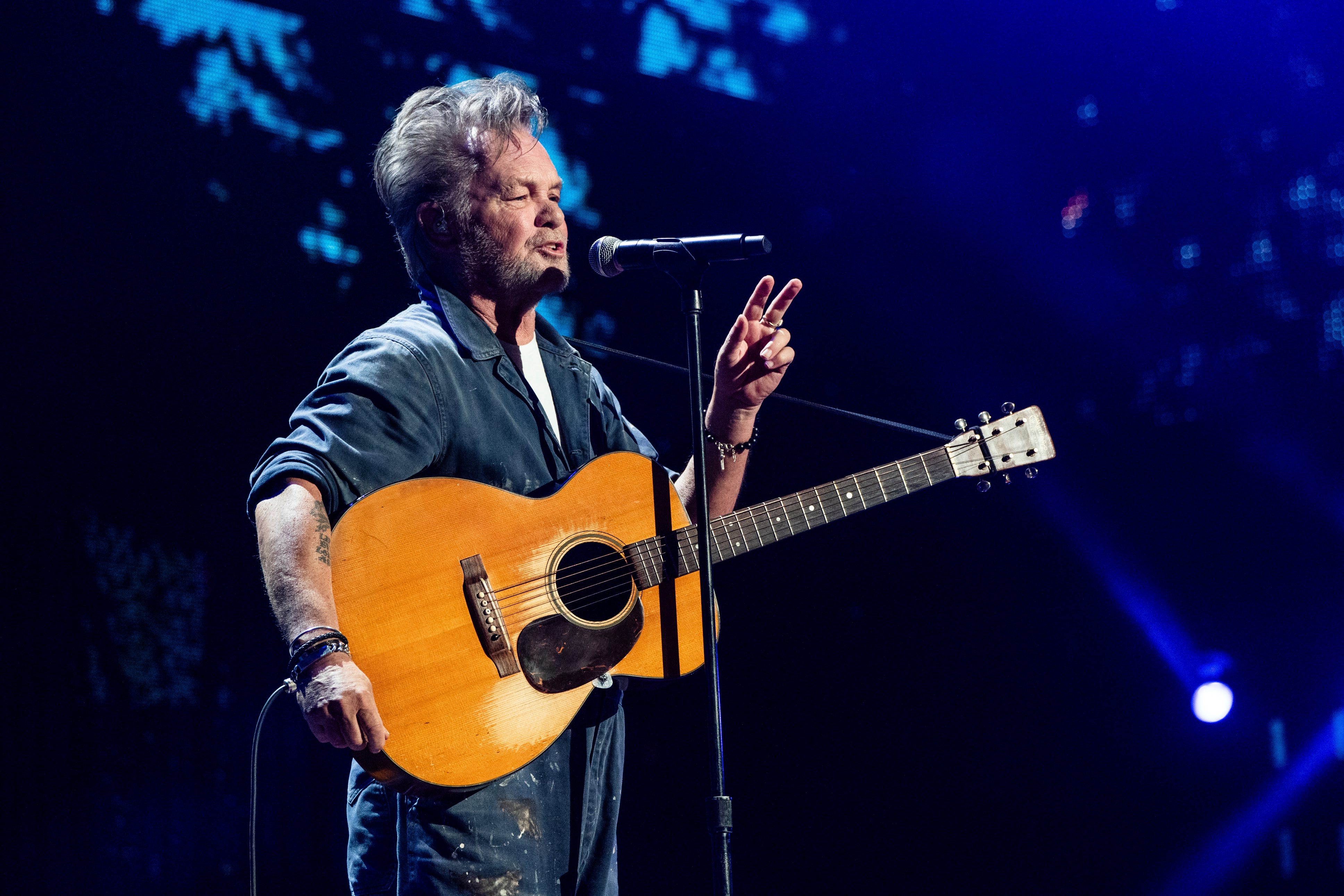
The Detroit News highlights the symbolic importance of Michigan dates, tying Mellencamp’s Midwest roots to the tour’s identity. The coverage frames these stops as a homecoming of sorts, reinforcing the regional loyalty that has followed him for decades. By emphasizing geography, the article connects the tour to Americana themes embedded in his music. This perspective underscores how place continues to matter in legacy touring strategies.
John Mellencamp announces ‘Dancing Words Tour,’ NY show. Get tickets

This ticket-focused piece reflects strong consumer interest, centering on on-sale details and demand indicators. While lighter on analysis, it signals the commercial confidence behind the tour. The framing suggests that nostalgia-driven tours remain reliable draws in major markets like New York. Within the larger trend, it shows how announcement coverage quickly shifts from artistic intent to audience response.
John Mellencamp is Bringing Back His Biggest Hits for Tour
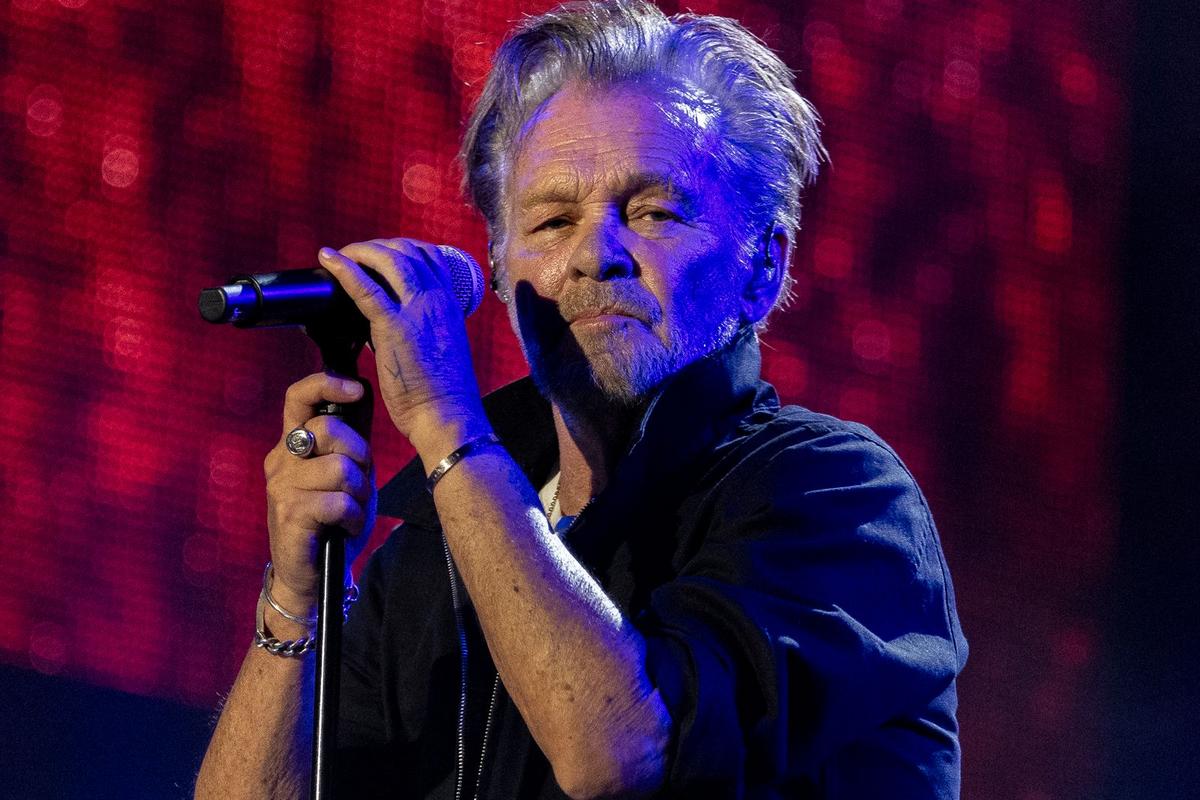
Ultimate Classic Rock places the announcement within a historical arc, reminding readers how rarely Mellencamp has embraced a pure hits format. The article compares this tour to earlier eras when such setlists were more common. By doing so, it frames the move as cyclical rather than reactive. This historical lens helps contextualize why the decision resonates with longtime fans.
John Mellencamp to open greatest hits tour at Grand Rapids’ new Acrisure Amphitheater

This piece ties Mellencamp’s tour launch to venue development, highlighting how legacy artists are often used to anchor new performance spaces. The coverage suggests mutual benefit: the tour gains symbolic weight, while the venue gains credibility. In the broader narrative, it illustrates how touring decisions intersect with local cultural investment. The opening-night framing adds momentum to the tour’s rollout.
John Mellencamp will R.O.C.K. in the USA this summer with ‘jukebox’ tour

This article leans heavily into branding the tour as a crowd-pleasing experience, using the ‘jukebox’ label to emphasize song recognition. While promotional in tone, it reflects how the tour is being marketed to casual fans. The language reinforces expectations of familiarity rather than experimentation. As part of the overall trend, it shows how messaging shapes audience perception before the first show begins.
Summary / Insights
Taken together, coverage of John Mellencamp’s tour reveals a calculated but meaningful shift. The consistent theme is not reinvention, but reconnection—with audiences, regions, and songs that shaped his career. While some outlets emphasize nostalgia and ticket demand, others highlight artistic framing and historical context. For U.S. audiences, the tour represents how veteran artists can revisit their catalogs without fully retreating into the past.
TL;DR
John Mellencamp’s upcoming greatest-hits tour marks a rare return to his most familiar songs, reflecting a broader trend of legacy artists balancing nostalgia, audience demand, and creative control.

Resources
Sources and references cited in this article.