
Yanis Varoufakis and the Claim That Capitalism Has Quietly Ended
Public discussion in the United States is increasingly engaging with a provocative argument from economist and former Greek finance minister Yanis Varoufakis: that capitalism, as traditionally understood, has already ended without most societies realizing it. The idea challenges long-standing assumptions about markets, ownership, and power, and it matters now because it reframes debates about inequality, technology, and democracy in a way that goes beyond routine criticism of the economic system.
Main Topic Overview
Varoufakis argues that modern economies no longer function according to classic capitalist rules, where private owners compete in markets and profits drive innovation. Instead, he suggests that digital platforms, financial systems, and concentrated corporate power have created a different structure altogether. In this view, value is increasingly extracted through control of networks, data, and access, rather than through traditional production and competition. For US audiences, this perspective intersects with ongoing concerns about Big Tech dominance, labor precarity, and the influence of finance on everyday life.
News Coverage
Varoufakis: Capitalism has already ended and we don’t even know it
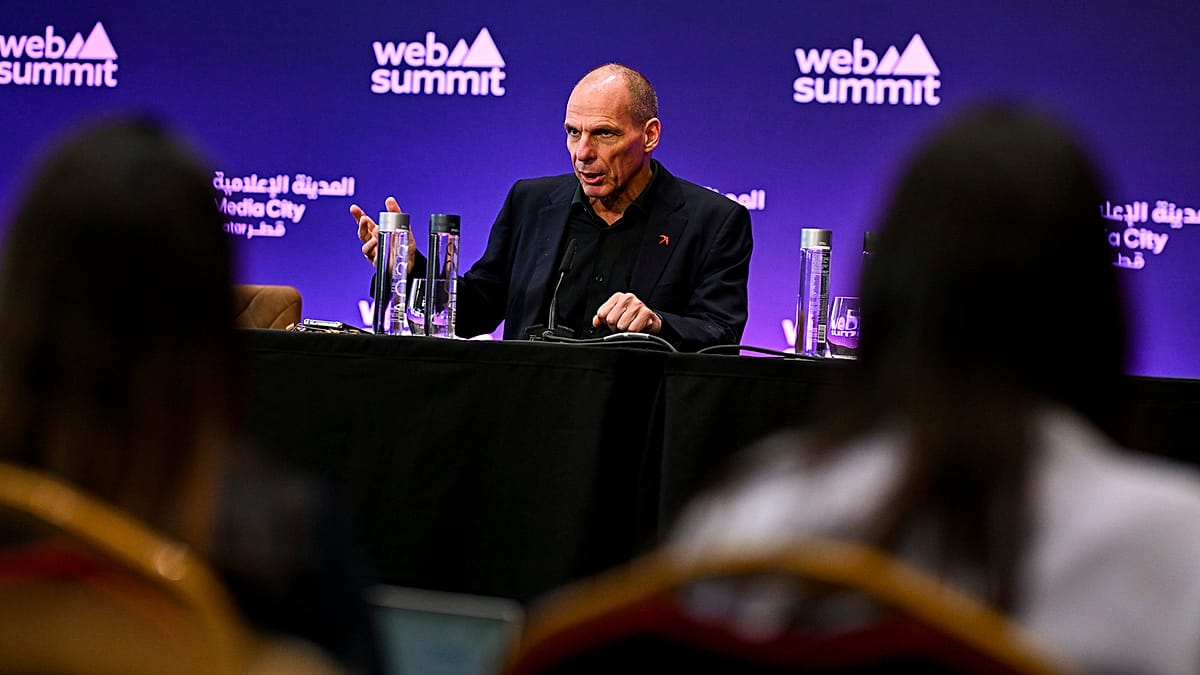
In this interview, Varoufakis outlines his view that what many people still call capitalism has been replaced by a new system dominated by digital platforms and financial mechanisms. He explains that large technology firms operate less like traditional market competitors and more like gatekeepers, setting terms for users, workers, and even governments. According to Varoufakis, this shift means profits are no longer primarily generated through productive investment, but through rents extracted from controlling infrastructure and data flows. He connects this analysis to political consequences, arguing that democratic institutions struggle to regulate systems they no longer fully understand, which helps explain rising public frustration and distrust.
Summary / Insights
The coverage highlights a broader debate about whether current economic challenges can be addressed within existing frameworks or require rethinking the system itself. Varoufakis’s argument stands out because it claims the transition has already happened, largely unnoticed, rather than predicting a future collapse. Supporters see this as a useful lens for understanding inequality and corporate power, while critics question whether the concept stretches the definition of capitalism too far. Either way, the discussion pushes the conversation beyond incremental reform toward more fundamental questions about ownership, technology, and democracy.
TL;DR
Yanis Varoufakis argues that capitalism has effectively ended and been replaced by a new system driven by digital platforms and financial control, reshaping debates about power, inequality, and democracy in the US.

Resources
Sources and references cited in this article.