
Beijing Balances Heritage and Power: From the Forbidden City to the Fujian Carrier
Beijing is commanding global attention on two fronts — unveiling its first domestically built aircraft carrier, the Fujian, while simultaneously opening long-hidden treasures like the Qianlong Garden to the public. This contrast between military strength and cultural restoration captures China’s dual ambition: to expand geopolitical influence while projecting a refined image of continuity, craftsmanship, and heritage preservation. Here’s a closer look at how both stories define Beijing’s evolving identity in 2025.
Main Topic Overview
China’s strategic push to modernize its navy has reached a symbolic milestone with the commissioning of the Fujian — its most advanced aircraft carrier yet. The event underscores Beijing’s growing military confidence and long-term ambitions to rival U.S. maritime dominance. Parallel to this display of power, Beijing has been celebrating cultural revival at home: reopening sections of the Forbidden City and the Qianlong Garden, sealed for over a century, following two decades of restoration work. Together, these developments reveal how the Chinese government seeks to weave heritage and hard power into a cohesive narrative of national pride.
News Coverage
US and China seek to project power with huge and expensive aircraft carriers
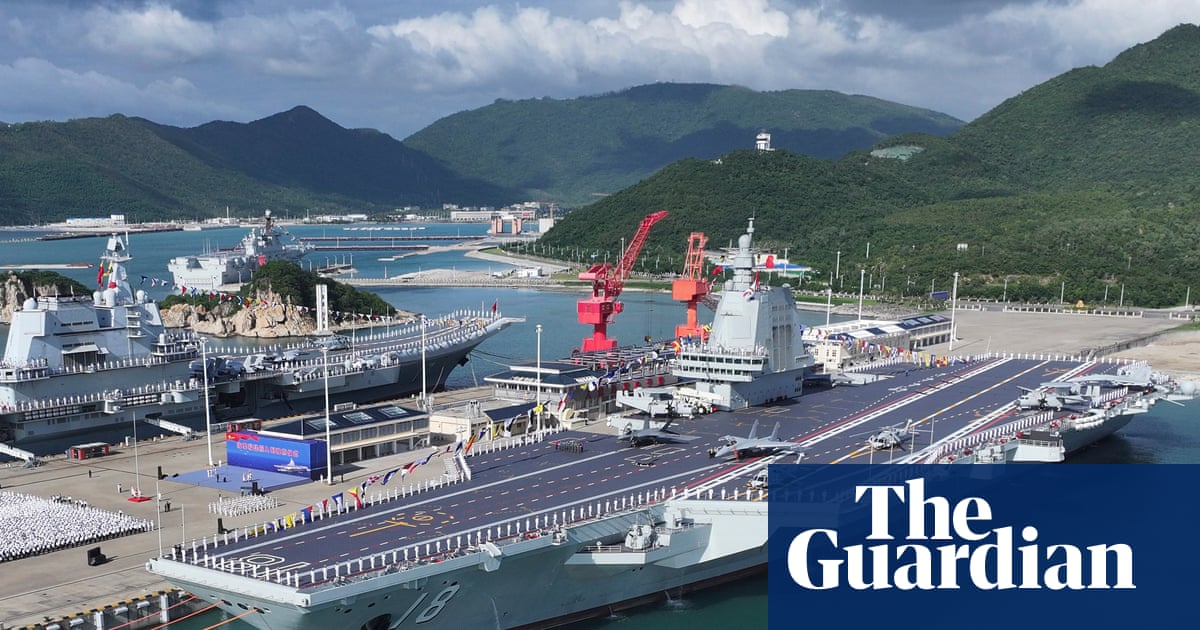
The Guardian framed the U.S.-China naval competition as an expensive contest for global prestige. The report compared China’s Fujian with U.S. carriers like the USS Gerald R. Ford, emphasizing that beyond military capabilities, these vessels are symbols of national willpower. Analysts cited the Fujian’s electromagnetic launch system as a leap forward, matching American tech sophistication and showcasing Beijing’s readiness to defend its interests across the Pacific.
China launches third aircraft carrier as Xi pushes military modernization against US influence
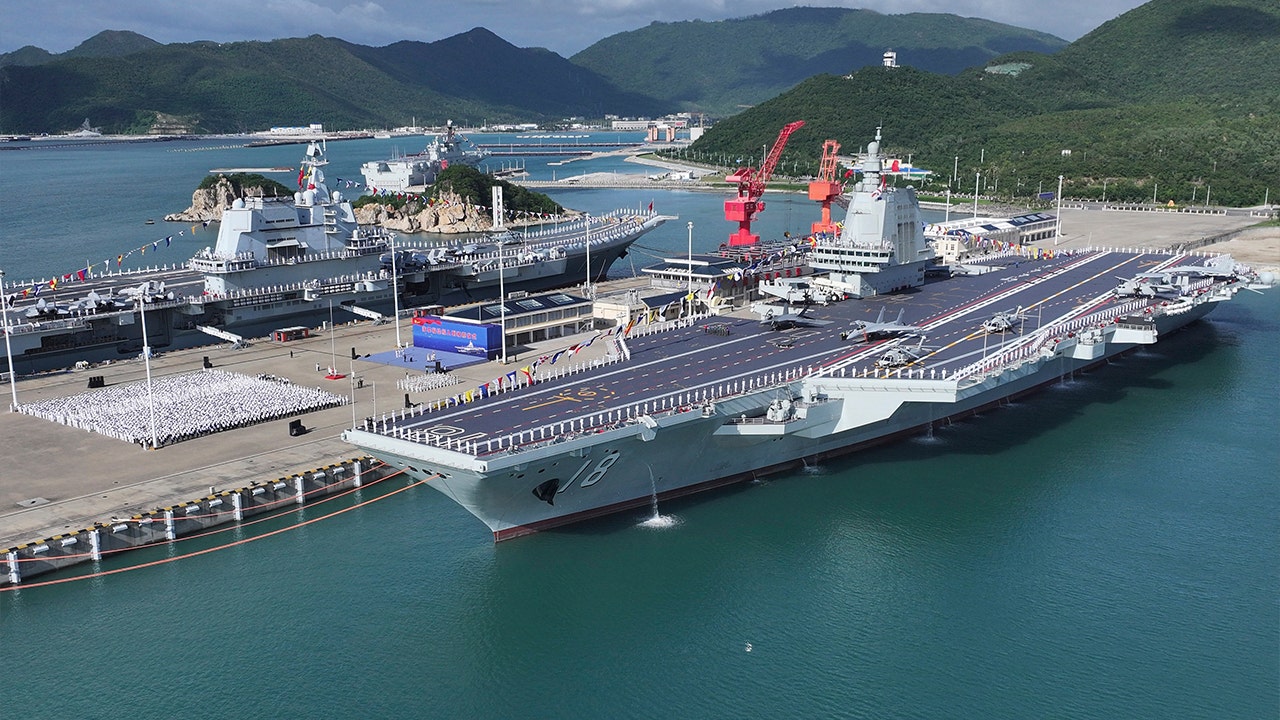
Fox News highlighted how President Xi Jinping personally oversaw China’s naval modernization as part of a broader strategy to counter U.S. influence in Asia. The coverage linked the Fujian’s launch to Beijing’s desire for self-reliance in defense technology, noting that this carrier marks a turning point from dependence on Soviet-era designs to full domestic innovation. The article also explored the carrier’s symbolic timing, reflecting renewed nationalism amid global tensions.
Beijing commissions third aircraft carrier, first one made in China
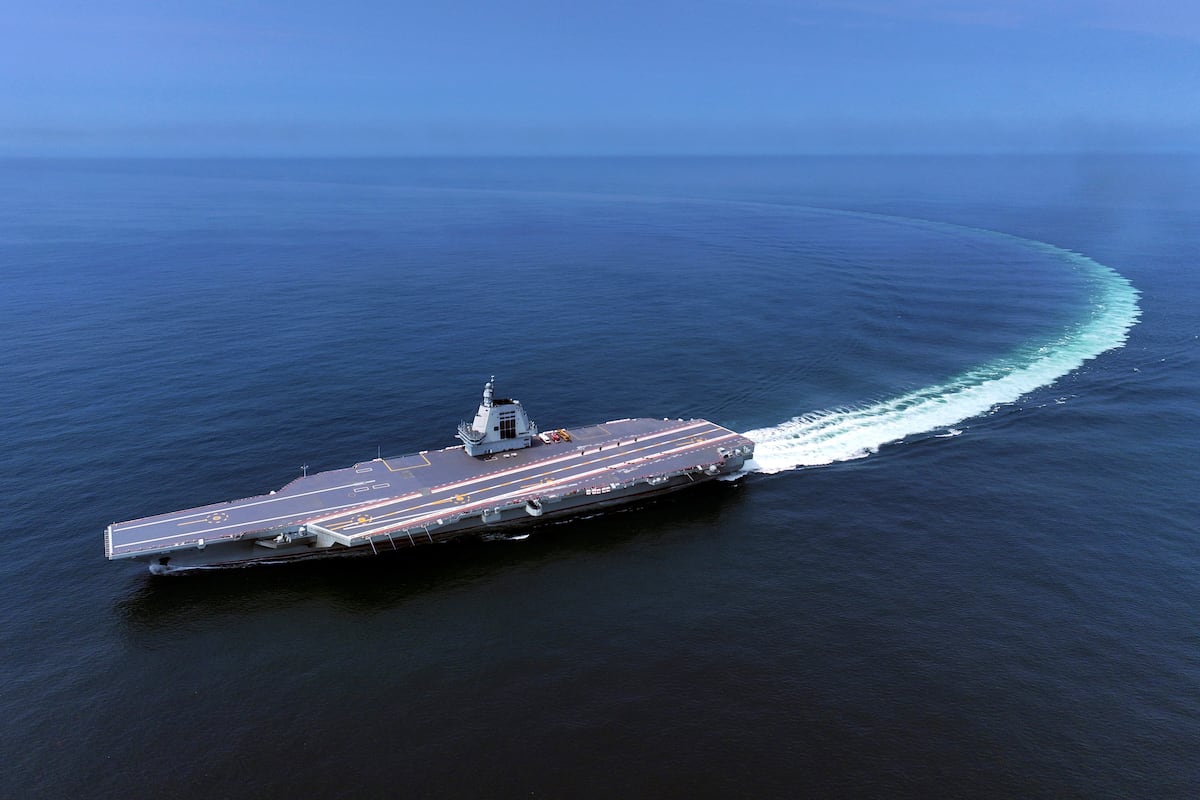
Defense News described the commissioning as a landmark moment for Chinese shipbuilding, underscoring the Fujian’s fully indigenous design and advanced catapult system. The report analyzed how this addition reshapes China’s regional power projection and could shift the strategic balance in the Indo-Pacific. Defense experts quoted in the piece called the launch both a military milestone and a powerful statement of technological independence.
Inside Beijing’s Forbidden City after 20-year restoration

The Times explored the meticulous restoration of the Forbidden City’s inner courts, reopened after two decades of careful preservation. Art historians called the project one of China’s most ambitious cultural restorations, aimed at reclaiming imperial artistry for the public. The newly unveiled spaces — once reserved for emperors — symbolize a reclaiming of cultural legacy to match Beijing’s growing soft-power ambitions.
Beijing’s secret garden opens to the public for the first time in 100 years
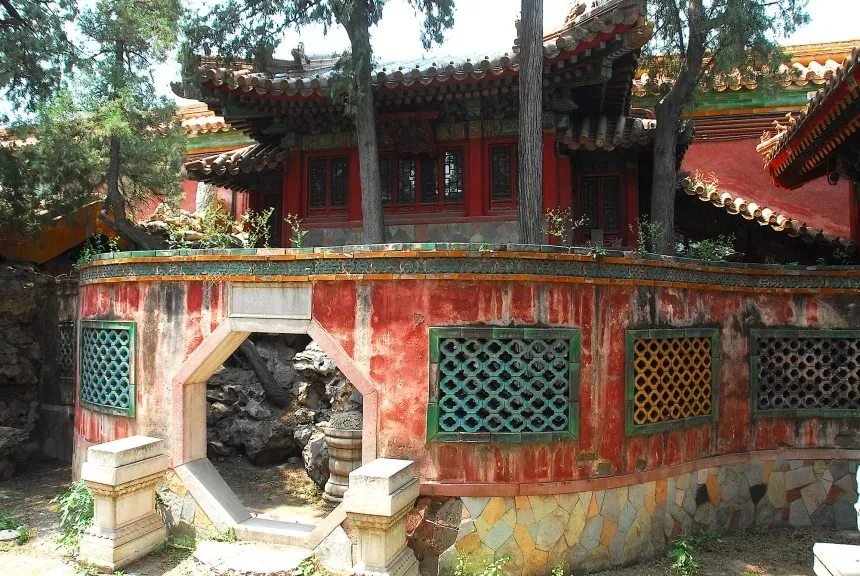
UA.NEWS reported on the reopening of the Qianlong Garden, a secluded enclave within the Forbidden City closed for over a century. The garden, built in the 18th century by Emperor Qianlong, has undergone painstaking restoration to preserve intricate woodwork and frescoes. Its reopening attracted global attention, reinforcing Beijing’s narrative of cultural renewal and mastery over its historical narrative.
Summary / Insights
Beijing’s juxtaposition of naval expansion and cultural restoration offers a powerful lens into China’s evolving identity. The commissioning of the Fujian signals strength and ambition on the world stage, while the reopening of imperial landmarks projects confidence, stewardship, and continuity. Together, they present a unified message: China is not only reclaiming global influence through technology and defense but also reaffirming its civilizational depth and cultural leadership.
TL;DR: Beijing unveiled its first domestically built aircraft carrier while reopening centuries-old imperial gardens, blending military prowess with cultural pride to assert its multifaceted rise.

Resources
Sources and references cited in this article.