
Poland Accelerates Military Preparedness as NATO Reinforces Eastern Flank
Poland has launched an ambitious new defense initiative amid heightened regional tensions, announcing plans to train up to half a million civilians in 2026. The move comes alongside NATO’s deployment of a sophisticated anti-drone “wall” stretching across Eastern Europe to counter escalating Russian drone incursions. As neighboring countries like Bulgaria and Romania adjust their defense and energy strategies, Central and Eastern Europe appear to be entering a decisive phase of military and geopolitical realignment.
Main Topic Overview
Amid growing security concerns from the ongoing conflict in Ukraine, Poland is emerging as NATO’s frontline defense partner in Eastern Europe. The country’s latest defense strategy focuses on extensive citizen training and technological reinforcement along its borders. This marks a continuation of Warsaw’s proactive military modernization, driven by a combination of national security imperatives and collective defense commitments within NATO. Meanwhile, broader regional developments — including Bulgaria’s moves against Russian-linked infrastructure and NATO’s technological investments — reflect a coordinated deterrence posture against perceived Russian aggression.
News Coverage
Poland Launches New Military Training Program, Aims to Train 400,000 in 2026

Islam Times reported that Poland’s new training plan will enroll up to 400,000 civilians in defense preparedness courses by 2026. The program, coordinated through the Ministry of National Defense, aims to enhance public readiness and resilience. It represents a massive expansion of Poland’s citizen defense initiative, blending voluntary military training with civic education. Analysts suggest this move positions Poland as a model for civilian defense mobilization in Europe.
With war next door, Poland seeks to train 500,000 volunteers to reinforce defense

Space War News contextualizes Poland’s program as part of a larger national mobilization effort, directly influenced by the ongoing war in neighboring Ukraine. The article details how Warsaw’s plan includes extensive cooperation with NATO and local defense groups to create an integrated response system. The piece also highlights Polish public support for the initiative, viewing it as both patriotic duty and strategic necessity given the country’s proximity to conflict zones.
NATO begins deploying world’s costliest drone wall against Russia

Interesting Engineering revealed that NATO has started installing a multi-billion-dollar “drone wall” across Eastern Europe to detect and neutralize Russian aerial incursions. This high-tech defense network integrates radar, AI-powered sensors, and electronic warfare systems. The report identifies Poland and the Baltic states as key deployment zones, making Poland a strategic cornerstone in the alliance’s deterrence architecture. Experts note this project reflects NATO’s shift toward hybrid and autonomous defense solutions.
A new system to identify and take down Russian drones is being deployed to NATO's eastern flank
AP News confirmed that NATO’s eastern flank—including Poland and Romania—has begun deploying advanced anti-drone systems. These units combine radar arrays with cyber defense modules capable of intercepting unmanned aircraft. The article underscores the urgency of the deployment, driven by a surge in Russian drone incursions over allied airspace. Poland’s quick integration into this network highlights its critical role in NATO’s collective security posture.
‘Drone wall’: how NATO is plugging the Russian airspace gap
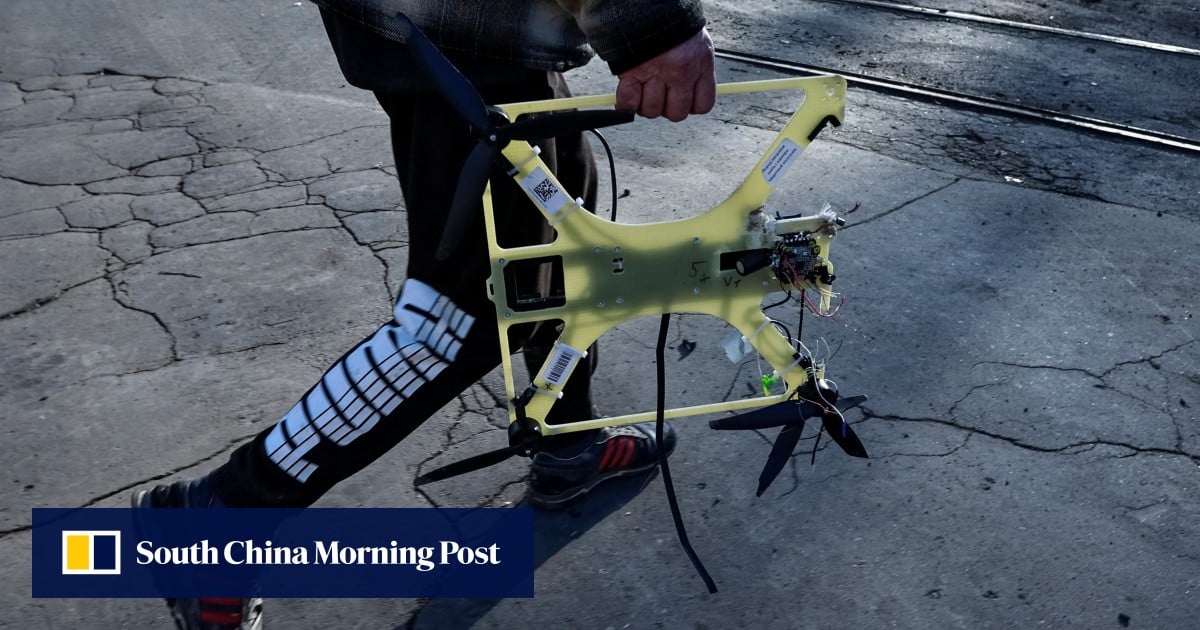
South China Morning Post provides geopolitical analysis of NATO’s drone wall, emphasizing its strategic intent to close surveillance gaps exploited by Russian UAVs. The piece highlights Poland and Romania’s participation as symbolic of NATO’s eastward vigilance. The report interprets the wall as both a technological deterrent and a political message to Moscow about NATO’s resolve in defending its members’ sovereignty.
Bulgaria Reportedly Explores Possibility of Seizing Oil Refinery From Russian Gas Giant

Kyiv Post sheds light on Bulgaria’s discussions to nationalize a refinery previously controlled by Russia’s Lukoil. This development, though not directly linked to Poland, reflects the region’s growing resolve to reduce dependence on Russian assets. The move complements NATO’s collective shift toward economic and strategic independence from Moscow. Analysts see it as part of a wider pattern of Eastern European states reclaiming control over critical infrastructure.
Summary / Insights
The combined reporting presents a cohesive picture of regional militarization driven by security anxiety and alliance coordination. Poland’s rapid mobilization, coupled with NATO’s drone defense network, marks a transformative phase in Europe’s post-Cold War defense structure. Together, these measures symbolize both deterrence and resilience—a collective effort to prepare for evolving hybrid threats. As Eastern Europe fortifies itself technologically and socially, the balance between deterrence and escalation will shape NATO’s next decade of strategy.
TL;DR
Poland is launching an extensive defense training program for civilians while NATO deploys advanced drone defenses across its eastern border. The coordinated actions underscore Eastern Europe’s preparedness against Russian threats and mark a new era of regional security collaboration.

Resources
Sources and references cited in this article.