
Republicans' Health Care Plan and its Impact on the Affordable Care Act
The ongoing debate over the future of health care in the United States has taken a significant turn as Senate Democrats and Republicans clash over the extension of the Affordable Care Act (ACA) subsidies and proposed reforms. This article provides an in-depth analysis of the latest developments, including the political maneuvers and potential implications for millions of Americans.
Main Topic Overview
The debate over health care has reached a critical juncture as Democrats push for a three-year extension of ACA subsidies, while Republicans propose reforms, including changes to pharmacy benefit managers. The outcome of these discussions could significantly impact the affordability and accessibility of health care for many Americans, particularly those enrolled in ACA plans.
News Coverage
Democrats will force a Senate vote on a 3-year extension of Affordable Care Act funds
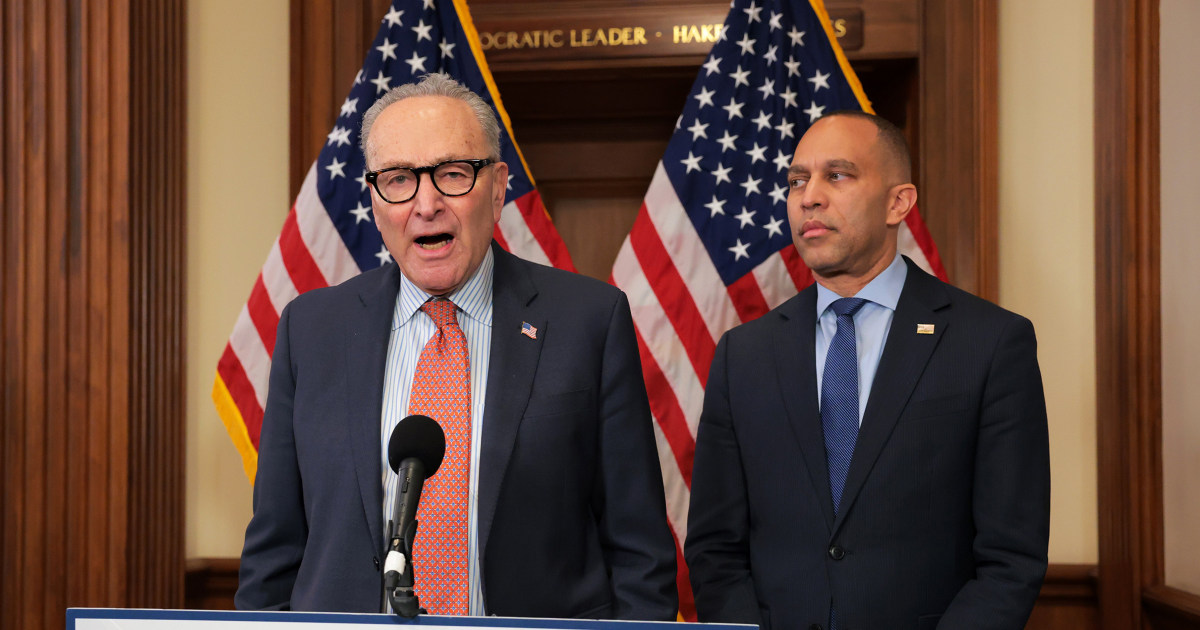
In a strategic move, Senate Democrats are set to force a vote on extending ACA funds for another three years. This extension is crucial as it aims to stabilize premiums and prevent significant increases that could affect millions of Americans. The push for a vote underscores the urgency perceived by Democrats to maintain affordable health care options amid economic uncertainties.
Senate Democrats set up last-ditch vote to extend Obamacare subsidies

Senate Democrats are making a final attempt to extend Obamacare subsidies before the year's end. This move is part of a broader strategy to ensure continued access to affordable health care, especially for low-income individuals. The vote is seen as a pivotal moment in the ongoing health care debate, with potential implications for the 2026 midterm elections.
1 in 4 Affordable Care Act enrollees would 'very likely' forego health insurance if premiums double: Poll

A recent poll highlights the financial vulnerability of ACA enrollees, with one in four indicating they would likely drop their health insurance if premiums were to double. This finding underscores the critical nature of the current political negotiations, as any failure to extend subsidies could lead to a significant drop in coverage and increased health inequities.
Bipartisan health care deal remains elusive in the Senate as parties dig in ahead of next week's vote
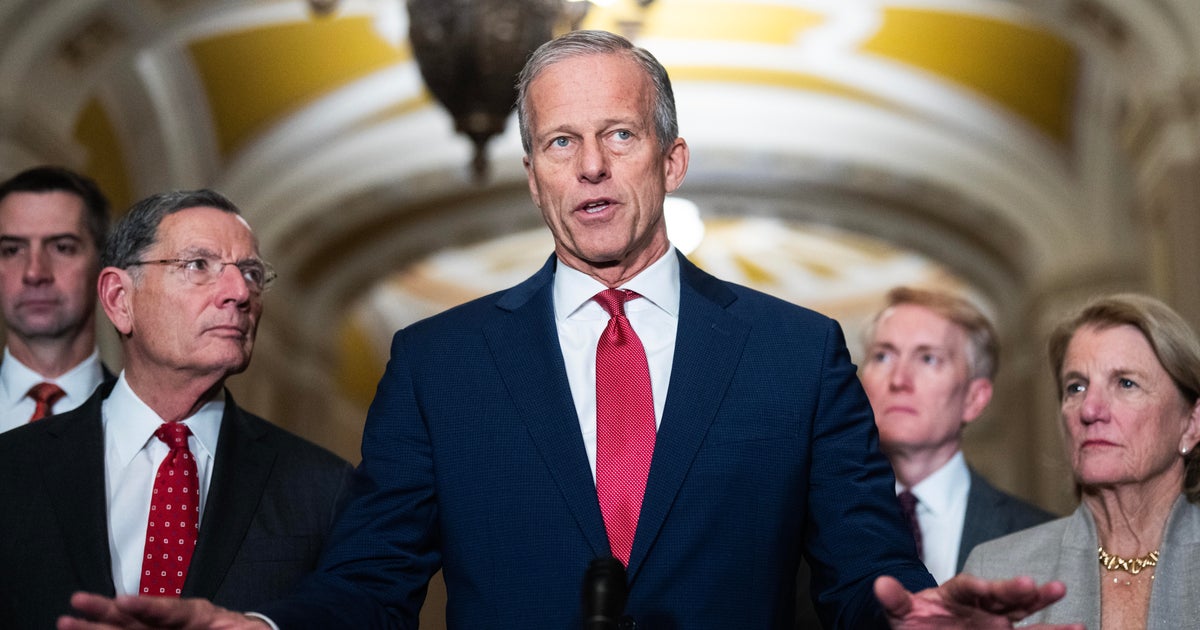
As the deadline for the health care vote approaches, bipartisan negotiations have stalled, with both parties holding firm on their positions. The lack of consensus highlights the deep divisions within the Senate, making a last-minute compromise increasingly unlikely. This impasse could have significant repercussions for the health care landscape in the U.S.
Oregon Sen. Ron Wyden on extending the Affordable Care Act subsidies

Senator Ron Wyden has been vocal about the need to extend ACA subsidies, highlighting the potential consequences of inaction. His advocacy points to the broader Democratic strategy to maintain health care affordability and reduce the financial burden on Americans. Wyden's comments reflect the urgent need for legislative action in the face of political gridlock.
Republican healthcare plan to include pharmacy benefit manager reform - report

The Republican health care proposal includes significant reforms to pharmacy benefit managers, aiming to increase transparency and reduce drug costs. This move is part of a broader strategy to revamp the health care system, emphasizing cost reduction and efficiency. The proposal's focus on reforming pharmacy benefit managers highlights a key area where Republicans believe they can make a tangible impact on health care spending.
Summary / Insights
The ongoing discussions around health care in the U.S. reveal a complex web of political strategies and economic realities. Democrats are pushing for the extension of ACA subsidies to prevent premium hikes, whereas Republicans focus on reforming pharmacy benefit managers to curb costs. The stakes are high, and the outcome of these negotiations will have lasting implications for the American health care system, potentially influencing voter sentiment in the upcoming elections.

Resources
Sources and references cited in this article.