
Singapore Enforces Harsh New Caning Law to Combat Scams Amid Rising Public Losses
Singapore, long known for its uncompromising stance on law enforcement, has introduced mandatory caning sentences for convicted scammers and money mules. The move, approved after years of mounting public concern and nearly $4 billion in scam-related losses since 2020, underscores the government’s determination to curb digital crime through deterrence and awareness.
Main Topic Overview
The new anti-scam legislation mandates at least six strokes of the cane in addition to fines and prison terms for offenders involved in online fraud. Officials say the penalties aim to restore public confidence and send a message to transnational syndicates exploiting Singapore’s digital infrastructure. While praised by many locals for its toughness, international observers have raised questions about proportionality and human rights implications.
News Coverage
Singapore institutes mandatory caning to punish online scammers

The Washington Post described the legislation as one of the most severe anti-fraud measures in the world, reflecting Singapore’s reputation for zero tolerance on crime. The report detailed how the law followed a surge in phishing and cryptocurrency-related scams. It noted that caning will apply to both domestic and foreign offenders caught operating in or through Singapore’s jurisdiction.
Harsh new caning penalty introduced for scammers in Singapore

The New York Post emphasized the public shock surrounding the announcement, pointing out that the punishment extends to those aiding scams as money couriers or data handlers. The outlet noted that the move could set a precedent for other countries in Asia grappling with rising cyber fraud cases. Analysts said the policy’s effectiveness would hinge on consistent enforcement and cross-border cooperation.
Scammers in Singapore face caning under strict new law

The Hindustan Times offered an international lens on the law, comparing it to past Singaporean penalties for vandalism and drug trafficking. The article stated that the law reflects public frustration after years of financial scams targeting seniors. It also noted that while caning is rare in financial crimes globally, Singapore views it as a moral deterrent to predatory behavior online.
Law passed for scammers, mules to be caned after victims in Singapore lose almost $4b since 2020
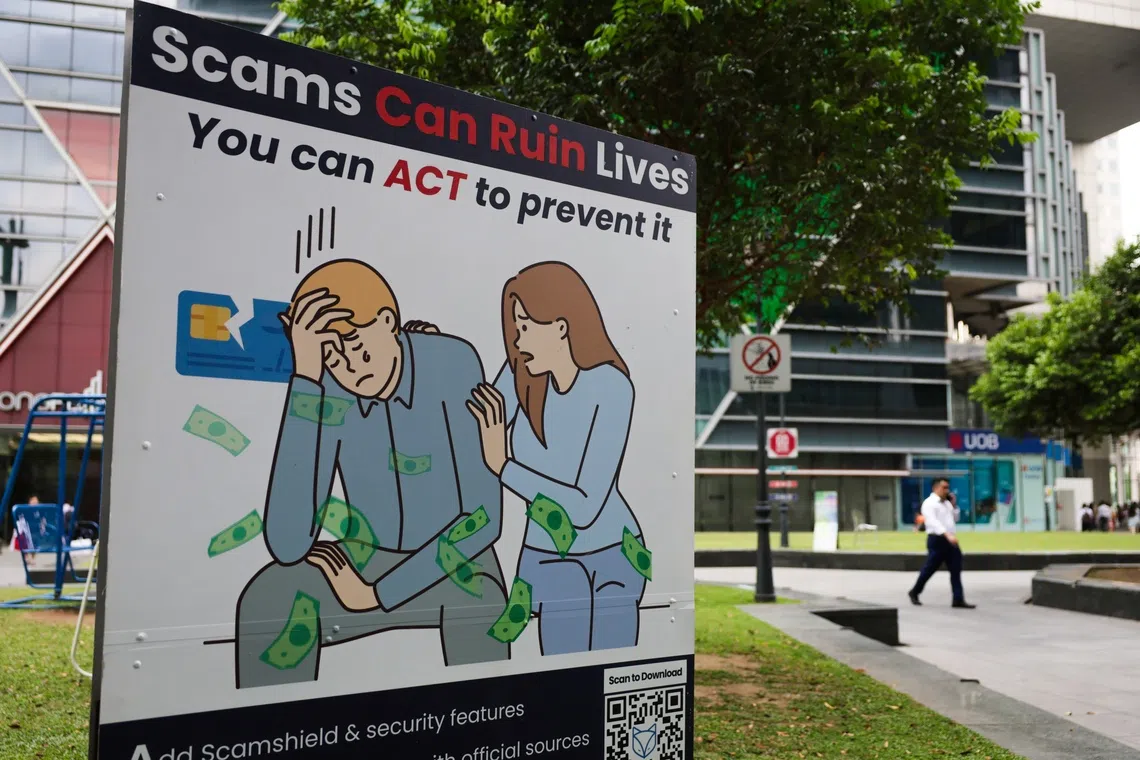
The Straits Times provided local context, detailing that scam victims have lost nearly $4 billion since 2020. Lawmakers argued that traditional deterrents—such as fines—had failed to stop organized groups exploiting social media and digital banking. The report added that the new legislation was passed with overwhelming parliamentary support, despite some calls for alternative rehabilitation programs.
Singapore cracks down hard — scammers will now be caned in addition to fines and prison time

The Economic Times reported that the enhanced penalties were part of a broader crackdown on cyber-enabled fraud, including cryptocurrency theft. It noted that Singapore’s model blends severe punishment with public education campaigns and technological monitoring. The law is expected to complement ongoing collaborations between financial institutions and digital platforms to block fraudulent transfers in real time.
Singapore launches first anti-scam roadshow to raise public awareness

Complementing the legal crackdown, CNA reported on Singapore’s first national anti-scam roadshow. The initiative aims to educate citizens on spotting fraudulent messages and protecting digital identities. Police representatives said awareness is as vital as enforcement, framing the campaign as part of a whole-of-society effort to make scams “socially unacceptable.”
Summary / Insights
Singapore’s anti-scam law signals both confidence and urgency in its governance approach. With public losses soaring and digital trust under threat, the government’s reliance on physical punishment mirrors a broader trend toward assertive digital regulation. While global observers debate ethics and proportionality, most Singaporeans appear to support the hard line. Whether this mix of deterrence and education succeeds will depend on how effectively the city-state balances justice with human rights perceptions on the world stage.
Internal link: none yet

Resources
Sources and references cited in this article.