
Supreme Court Pauses Full SNAP Funding: What the U.S. Families and States Need to Know
In a high-stakes early-November decision, the :contentReference[oaicite:0]{index=0} temporarily allowed the federal government to halt full payments under the :contentReference[oaicite:1]{index=1} (SNAP), triggering a ripple effect across states, agencies and households. This trend digest breaks down the key rulings, state responses, and what this means for American food security in the coming weeks.
Main Topic Overview
The story centres on how SNAP funding—once treated as a mostly stable federal benefit—became enmeshed in emergency court orders and Supreme Court intervention. After a lower-court ruling that the government must fully fund November payments, the Supreme Court granted an emergency stay. That decision shifts both operational and political burdens onto states and beneficiaries. The media narrative ties legal nuance to human impact, revealing tensions between judicial process, federal policy and basic need in U.S. households.
News Coverage
Supreme Court says US food stamp funding can be temporarily halted
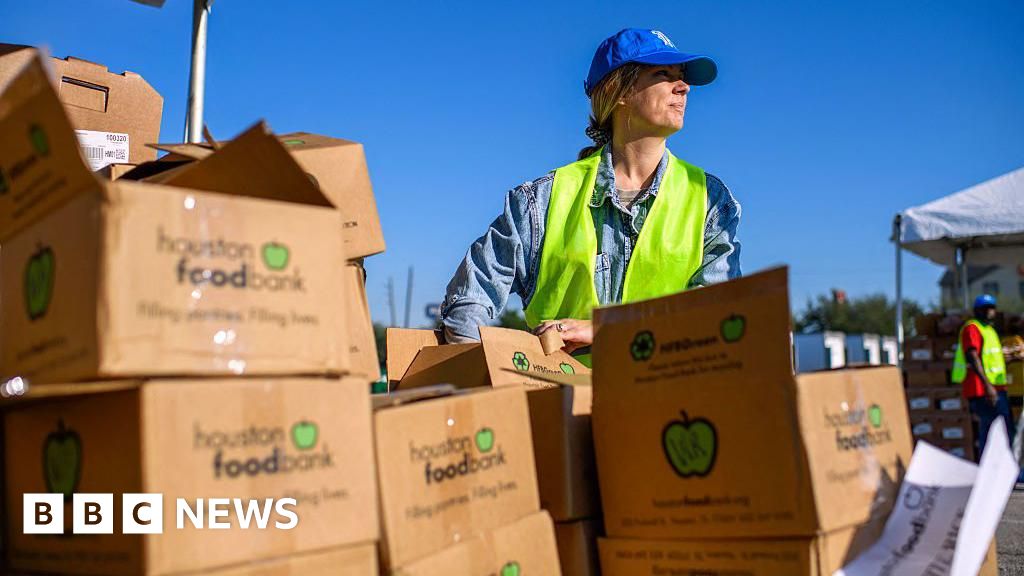
The BBC frames the case globally, emphasising how the U.S. Supreme Court’s decision to allow a pause in SNAP funding signals volatility in what many thought of as a stable social safety net. It highlights the risk of service interruption for vulnerable groups. Linkage is made between the legal stay and real-world consequences: risk of delayed benefits, state scrambling and households in limbo. The article sets the stage for how the U.S.’ food-aid infrastructure can be shaken by judicial decisions.
Supreme Court blocks lower court order forcing Trump administration to fully fund SNAP program
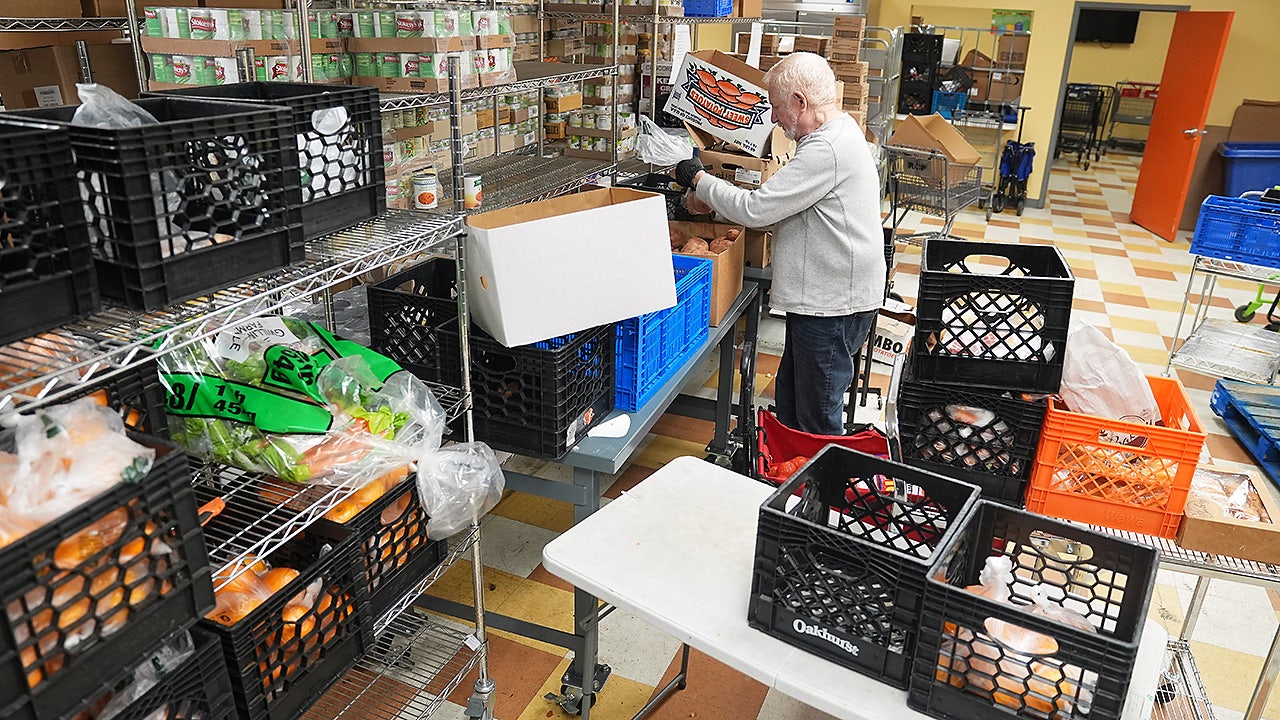
Fox News emphasises the procedural side: the administration’s right to pause full funding was upheld, thereby blocking the lower-court directive to pay all eligible benefits without interruption. The piece underscores the legal tug-of-war between judiciary and executive in welfare policy. The narrative highlights federal discretion and how court decisions shape operational timing for benefit delivery. For U.S. readers it signals a pending gap in coverage and potential state exposure.
Supreme Court issues emergency order to block full SNAP food aid payments
The AP News article explains how the emergency order works: the Supreme Court intervened on short notice to halt a ruling that would have mandated full SNAP payments for November. It provides key dates and outlines state reactions—some states had already begun preparing partial payments. The piece underscores the uncertainty facing both administrators and beneficiaries during the legal limbo. The tone conveys the magnitude of decision-making in fast-moving welfare contexts.
Trump admin asks Supreme Court to halt order providing full SNAP payments for November
This regional news source outlines the prompt behind the national decision: the administration requested emergency relief from the Supreme Court citing budget and procedural concerns. The article notes the pre-emptive nature of the move and how states were put on notice. It connects how executive actions feed directly into judicial responses and administrative policy, which then trickles down to state-level implementation. The framing shows the upstream flow from Washington to local delivery.
Supreme Court allows Trump admin to temporarily withhold some SNAP payments for November
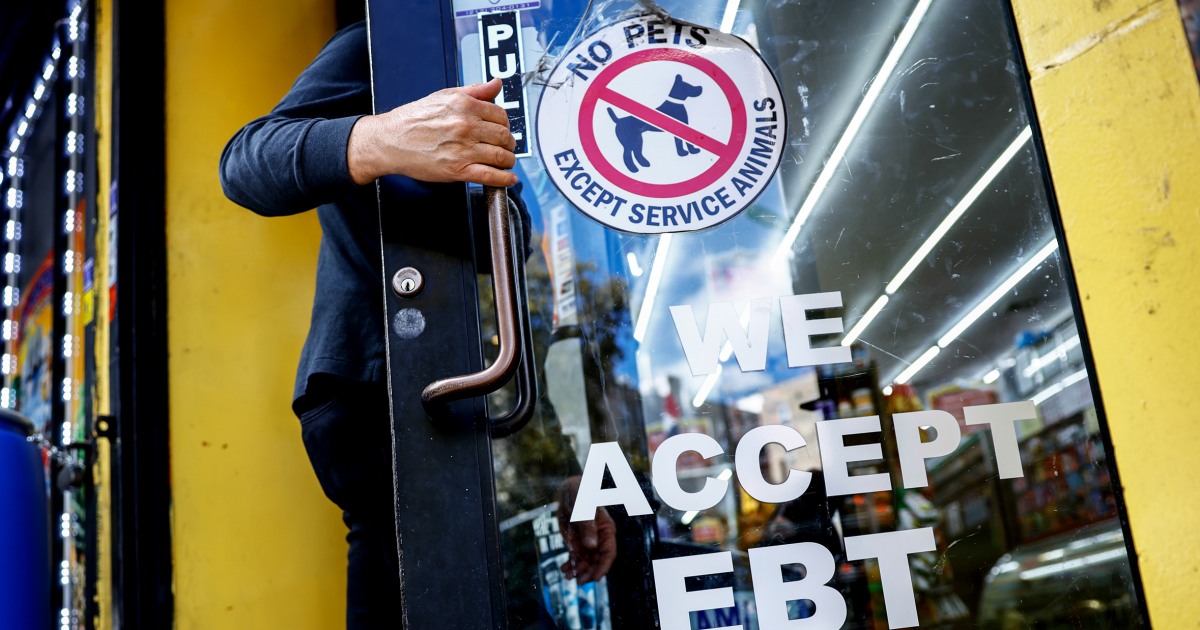
NBC News covers the consumer perspective: the temporary withholding means some beneficiaries may see delays or partial payments in November, pending the legal outcome. The article quotes state-agency officials scrambling for guidance and warns households to prepare for uncertainty. It links back to the trend: welfare policy is subject not just to budgets but to judicial timing. For U.S. families, the messaging is clear—expect disruption.
Map Shows States Covering SNAP Benefits Amid Funding Lapse
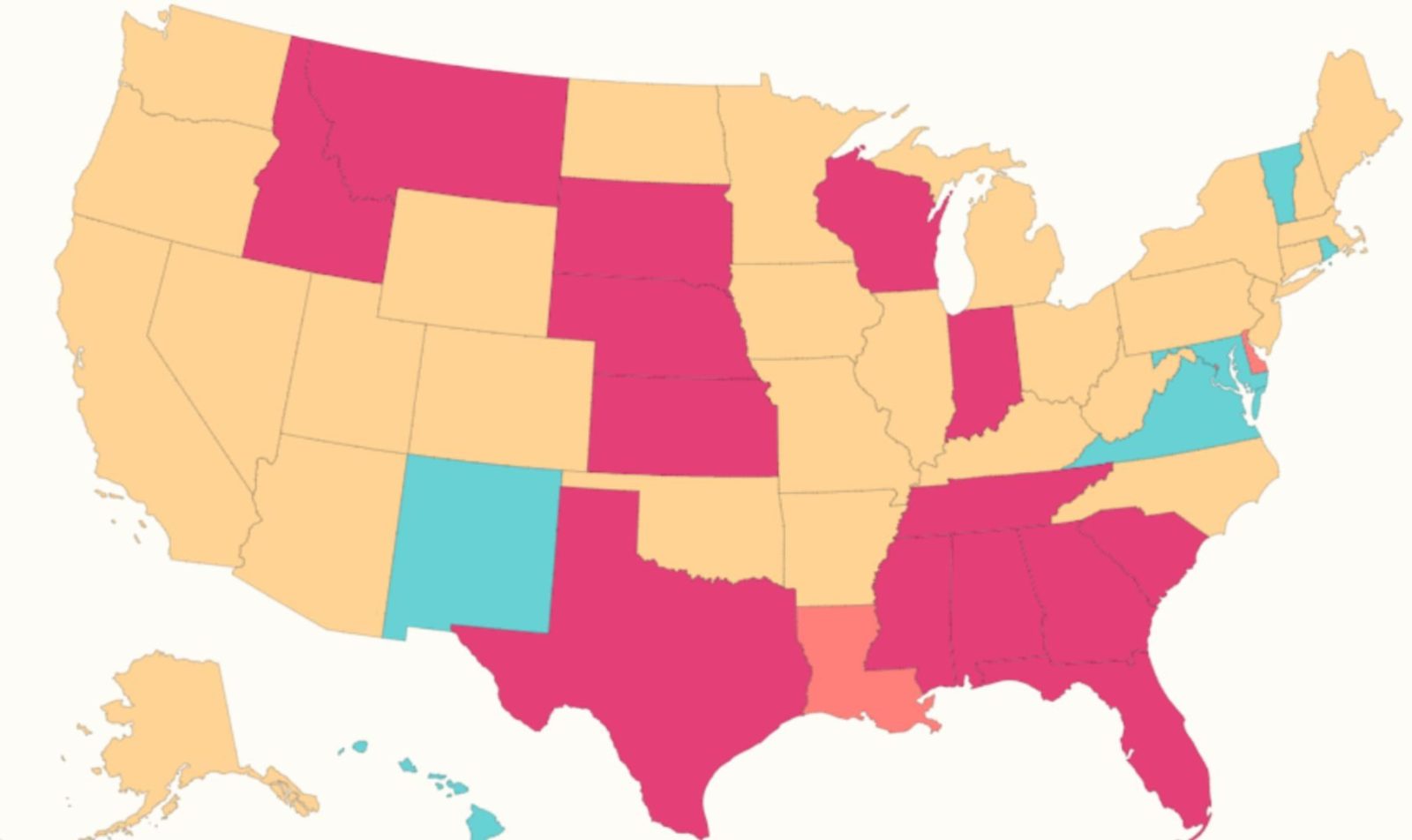
The Newsweek piece shifts the focus to states: several have stepped in to temporarily cover benefits while the federal funding issue plays out. The article includes a visual map of states’ different approaches and emphasizes patchwork mitigation efforts. It signals how U.S. federalism matters when national programs falter: state budgets, contingency plans and local administration become critical. This angle shows that the social safety net depends not only on Washington but on state readiness.
Summary / Insights
Several themes emerge: judicial decisions are directly affecting social-welfare delivery; states are becoming frontline actors in benefit continuity; and U.S. families are facing real-time uncertainty over basic nourishment support. The bigger angle: SNAP funding is not iron-clad, but subject to legal, political and administrative disruption. Looking ahead, we may see three outcomes: resolution in favour of full funding, prolonged partial payments with state back-up, or deeper reform discussions. For households, the immediate takeaway is to monitor benefit notices and state announcements.
TL;DR
The Supreme Court allowed the federal government to temporarily halt full SNAP payments in November 2025, triggering state responses and household uncertainty in the U.S. welfare landscape.
Internal link: none yet

Resources
Sources and references cited in this article.