
Supreme Court’s SNAP Ruling Deepens Food Aid Crisis Amid Ongoing Shutdown
The U.S. Supreme Court has ruled that federal food stamp funding under the Supplemental Nutrition Assistance Program (SNAP) can be temporarily halted, intensifying the humanitarian strain caused by the prolonged government shutdown. With millions relying on SNAP to afford groceries, the decision has triggered nationwide concern — particularly as courts, agencies, and the White House clash over the limits of executive power and the fate of vital welfare programs.
Main Topic Overview
SNAP, the nation’s largest anti-hunger program, provides essential food support to over 40 million Americans. Amid the ongoing shutdown, disputes between the Trump administration and federal courts over continued payments have left recipients in limbo. State governments have begun stepping in to cover shortfalls, while advocacy groups warn that halting benefits could push vulnerable families deeper into poverty. The situation has become a defining flashpoint in the wider debate over fiscal governance and judicial authority during national emergencies.
News Coverage
Supreme Court says US food stamp funding can be temporarily halted
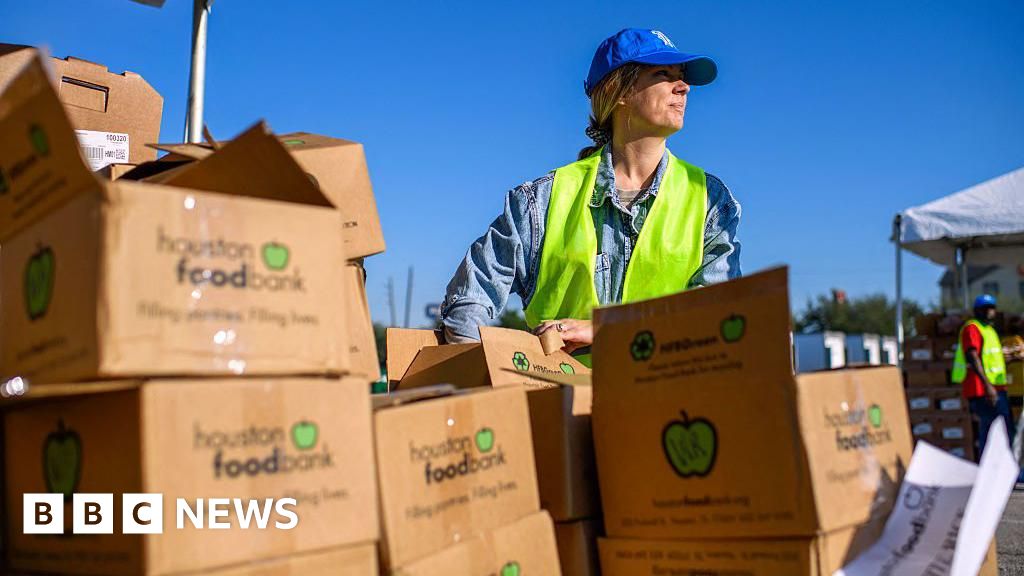
BBC reported that the U.S. Supreme Court has permitted a temporary halt in SNAP funding amid the ongoing government shutdown. The decision follows a White House appeal to suspend lower court rulings requiring continued payments. Critics argue that the ruling threatens food access for millions, while supporters contend it upholds fiscal constraints during the funding crisis. The article frames the ruling as both a legal and moral inflection point for U.S. social welfare policy.
Appeals court denies Trump administration request to block SNAP funding order during government shutdown
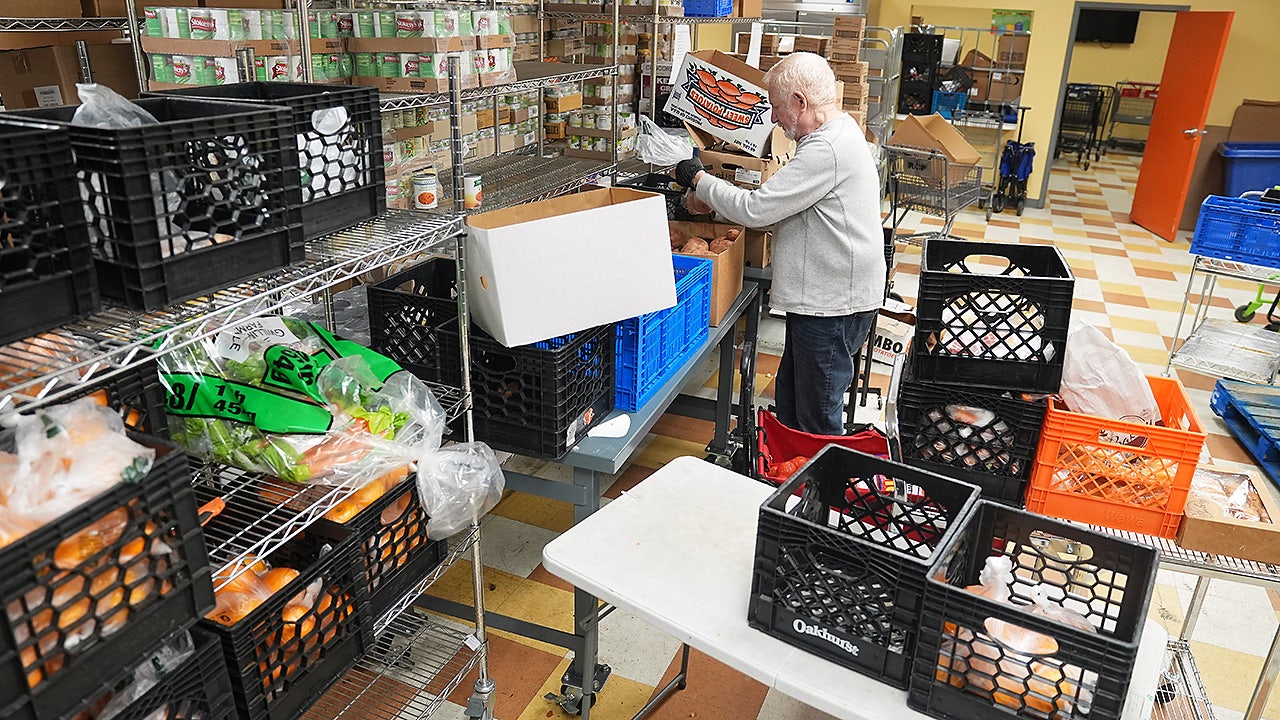
Fox News highlighted the prior legal battle in which a federal appeals court rejected the administration’s attempt to suspend SNAP payments. This ruling, briefly preserving funding, was later overturned by the Supreme Court’s emergency decision. The article emphasizes the constitutional tension between executive authority and judicial oversight, illustrating how the shutdown has become a proxy for broader political struggles over the separation of powers.
Trump news at a glance: supreme court blocks full SNAP food aid payments following White House request

The Guardian provides an international lens on the ruling, describing it as a “humanitarian shock” for low-income Americans already struggling under the shutdown. The piece connects the court’s decision to the Trump administration’s broader strategy of pressuring Congress on budget negotiations. It also notes growing global scrutiny over how U.S. political gridlock is undermining essential public services.
Map Shows States Covering SNAP Benefits Amid Funding Lapse
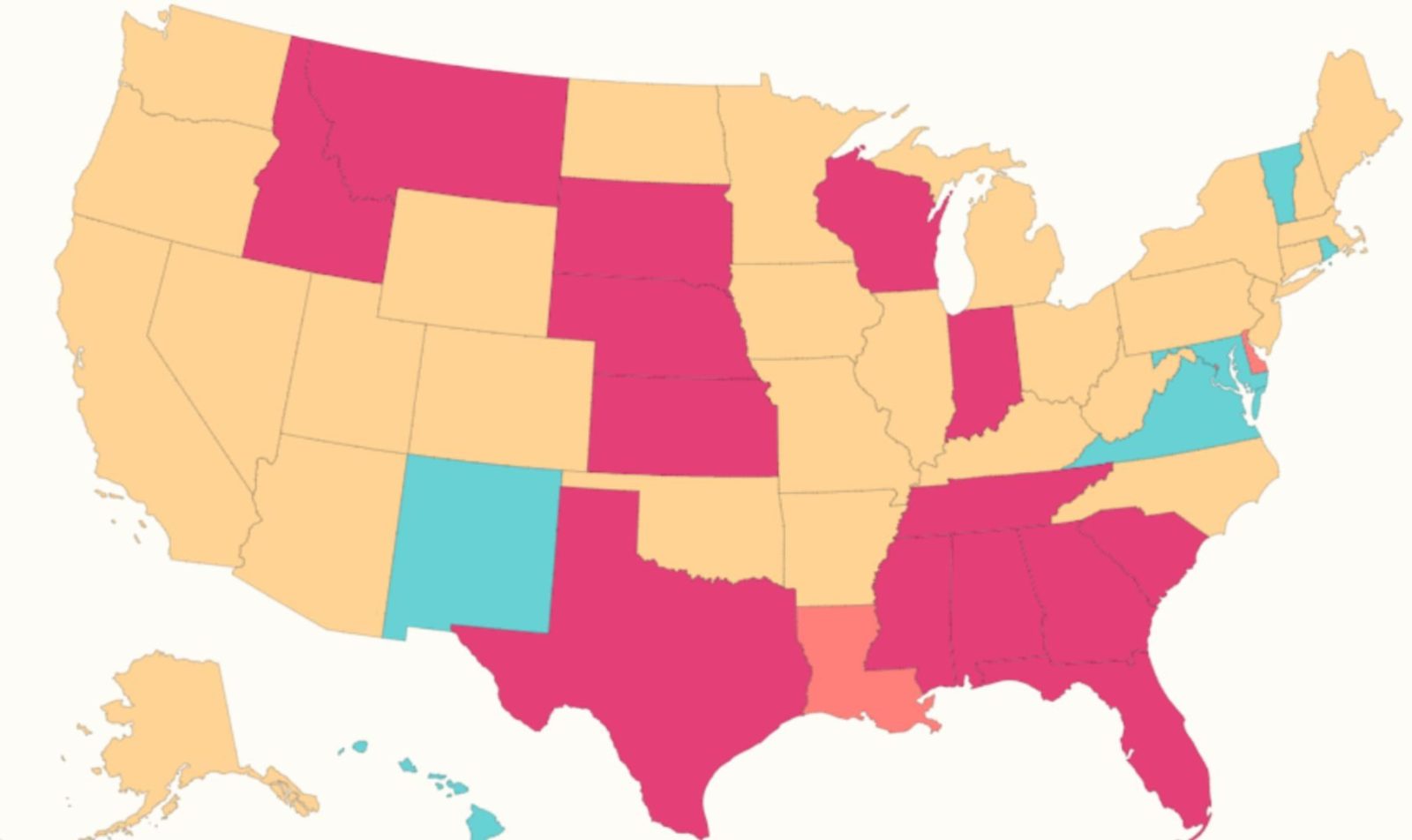
Newsweek mapped how individual states are stepping in to fill the SNAP funding gap. The report details emergency measures in California, New York, and Illinois, where state treasuries are allocating temporary funds to prevent hunger crises. The visualization underscores the uneven national response and highlights growing disparities between states with stronger fiscal reserves and those unable to intervene.
White House Says It Will Make Some SNAP Payments After Trump Threatened to Defy Court

The New York Times reported that after mounting criticism and legal uncertainty, the White House agreed to authorize partial SNAP payments. The article describes internal divisions within the administration and the Treasury Department’s logistical challenges in executing the plan. Economists quoted warn that even a short disruption could create cascading effects on food retailers and local economies reliant on SNAP spending.
Treasury secretary says food benefits could flow by Wednesday; government shutdown recap

USA Today provided a timeline of shutdown-related fiscal impacts, quoting the Treasury Secretary’s assurance that SNAP funds could resume by midweek. The piece situates the issue within the broader economic fallout, including delayed pay for federal workers and reduced consumer confidence. It captures the sense of uncertainty permeating both households and markets as Washington’s budget stalemate drags on.
Stocks wind up mixed on Wall Street after spending most of the day in the red
AP News linked the SNAP controversy to broader market uncertainty, with investors responding to conflicting signals from Washington. While the Dow steadied, tech-heavy indices wavered as concerns about consumer spending deepened. Analysts interpret the market’s volatility as a sign of eroding confidence in the government’s fiscal management amid the ongoing stalemate.
Nasdaq plunges as consumer sentiment nears historic lows, panic over AI spending mounts

New York Post tied the SNAP ruling and shutdown concerns to a sharp decline in consumer sentiment, warning that reduced federal aid could further dampen household spending. The report suggests that markets are reacting not only to tech-sector volatility but also to fears of prolonged economic stagnation if social benefits remain suspended. The connection between food insecurity and macroeconomic stability emerges as a key theme.
Summary / Insights
The collective reporting depicts an inflection point where economic, political, and social pressures converge. The SNAP funding freeze not only jeopardizes food security but also symbolizes the fragility of essential services during political standoffs. As states scramble to provide stopgap relief, the federal government’s fiscal paralysis continues to ripple through markets and households alike. The next phase will depend on whether Washington prioritizes stabilization over political brinkmanship — a decision that could define the social and economic landscape for months to come.
TL;DR
The Supreme Court allowed a temporary halt to SNAP food aid amid the shutdown, igniting public outcry and state-level interventions. Markets wobbled as economic and humanitarian concerns deepened.

Resources
Sources and references cited in this article.