

Last updated: Oct 1, 2026
Christa Pike execution halted in Tennessee after surviving two lethal injections
Flashing red lights pierced the humid evening air outside the Riverbend Maximum Security Institution in Nashville as an ambulance pulled away from the death chamber. Inside, a historic capital punishment procedure had just devolved into an unprecedented medical failure. Tennessee state officials attempted to put 50-year-old Christa Pike to death via lethal injection, only to leave her alive, conscious, and breathing after two full rounds of execution drugs.
The chaotic events on Wednesday night triggered an immediate emergency legal scramble and forced Republican Governor Bill Lee to halt the state's remaining executions for the year. Pike, who was convicted of a notorious 1995 murder when she was 18 years old, was transported to an off-site medical facility for emergency care as legal teams and state officials grappled with a failure described by experts as singular and unparalleled in modern capital punishment history.

What People Are Searching For
Observers across the United States are questioning how a state-administered lethal injection protocol could fail so visibly after the U.S. Supreme Court cleared the way for the execution to proceed. Public interest centers on the condition of Christa Pike, the specific mechanics of the state's pentobarbital protocol, and the chaotic sequence of events that unfolded behind closed curtains in the execution chamber.
The case has also reignited intense national debates surrounding the ethics of executing individuals for crimes committed as teenagers, particularly when records indicate severe childhood trauma and untreated mental illness. Readers are asking how an execution protocol approved by the state attorney general's office could leave an inmate alive and responsive after two complete rounds of lethal chemicals.
What Is Confirmed
State corrections officials administered two separate sets of syringes containing pentobarbital to Pike after a day marked by dramatic last-minute legal battles. Earlier on Wednesday, the 6th U.S. Circuit Court of Appeals issued a temporary stay to review whether Pike's history of childhood sexual abuse was properly considered during her original sentencing. However, the U.S. Supreme Court vacated that stay, allowing the execution process to begin shortly after 7:30 p.m.
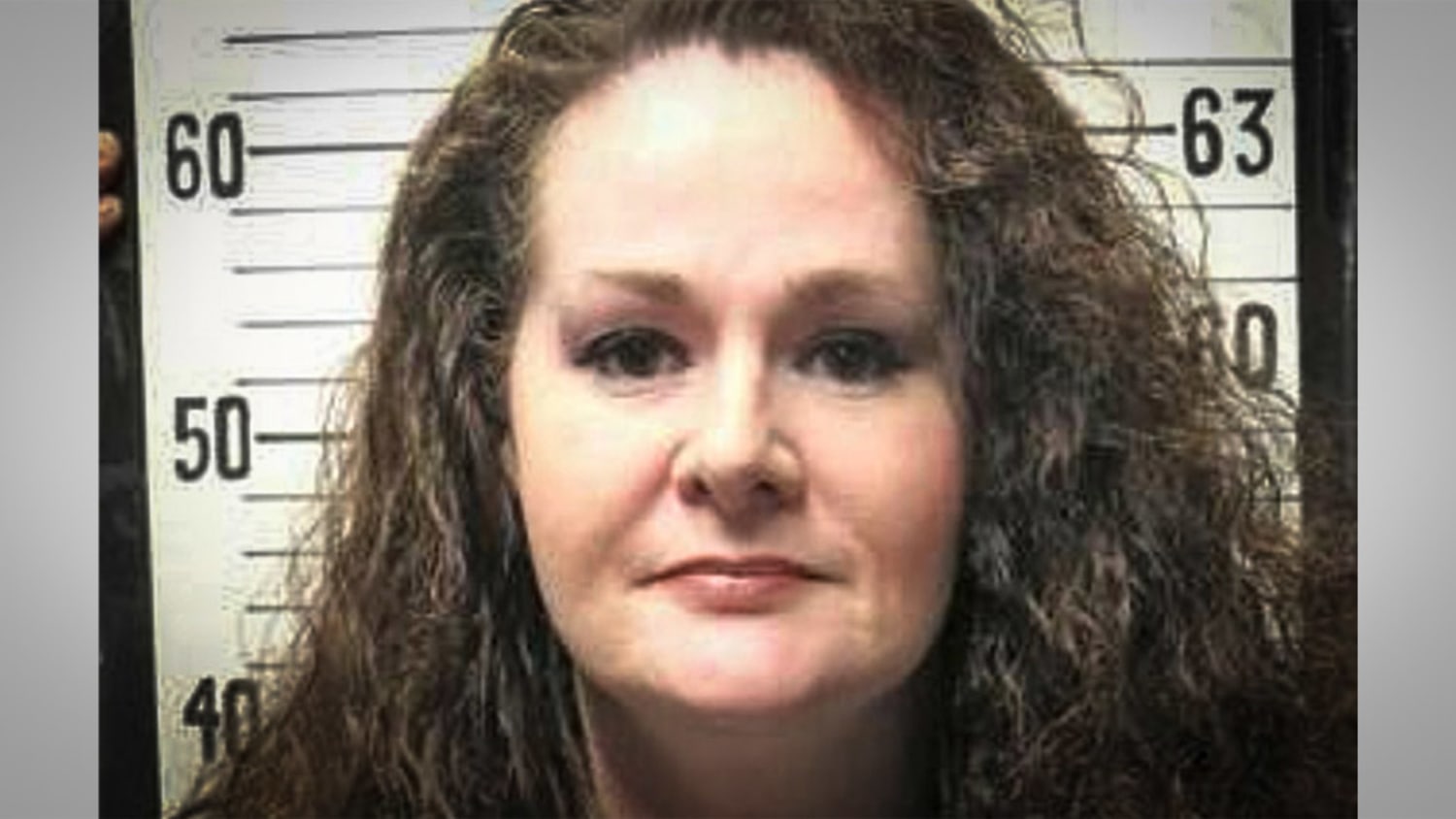
Media witnesses observing from a viewing room reported that Pike remained conscious for extended periods during the procedure. Witnesses heard her state that her arm felt like it was about to burst open and observed her moving her head, blinking, and kicking her feet. Following the administration of the second dose of lethal chemicals, witnesses reported hearing rhythmic snoring sounds coming from behind the closed curtains until they were ordered to leave the building at approximately 8:53 p.m.
Governor Bill Lee announced late Wednesday that he ordered a comprehensive, third-party review into the incident and paused the scheduled December execution of inmate Gary Wayne Sutton. The Tennessee Department of Correction maintained in a statement that staff followed every step of the state's lawful execution protocol.
What Is Unconfirmed
The exact medical status of Christa Pike following her transfer to the hospital remains undisclosed by state corrections officials. While her defense attorneys and media reports confirmed that she was transported off-site for medical care and still possessed a heartbeat, public details regarding her current prognosis or the specific physiological reason the pentobarbital doses failed to stop her heart have not been officially released.
Furthermore, authorities have not clarified whether the state intends to seek a new execution warrant once the independent investigation concludes or how long the comprehensive third-party review will take to identify the root cause of the protocol failure.
The Bigger Picture
This incident represents the second time this year that Tennessee has failed to execute a death row inmate. In May, state officials called off the lethal injection of Tony Carruthers after executioners tried for over an hour to establish an intravenous line. The repeated procedural breakdowns have placed intense scrutiny on capital punishment infrastructure across the country.
Robin M. Maher, executive director of the Death Penalty Information Center, noted that while a small number of inmates have survived execution attempts due to difficulties accessing veins, surviving the administration of the lethal drugs themselves is an unprecedented occurrence in modern American corrections. Pike was originally sentenced to death for the 1995 killing of 19-year-old Colleen Slemmer in Knoxville, a case that drew national attention during the 1990s.
Latest Status
Christa Pike remains hospitalized under medical supervision while state officials halt all pending executions for the remainder of the year. Legal experts expect ongoing battles in federal and state courts as defense attorneys challenge the constitutionality of subjecting an inmate to a botched execution process, while victims' families demand accountability for the systemic failures.
Frequently Asked Questions
Why was Christa Pike scheduled for execution?
Pike was scheduled for execution for her conviction in the 1995 kidnapping, torture, and murder of 19-year-old Colleen Slemmer in Knoxville, Tennessee, when Pike was 18 years old.
What drug did Tennessee use in the execution attempt?
The state used a single-drug protocol consisting of the barbiturate pentobarbital, administered in two separate sets of syringes following established state guidelines.
How did the U.S. Supreme Court get involved?
The Supreme Court voted to vacate a temporary stay issued earlier in the day by the 6th U.S. Circuit Court of Appeals, allowing the state's execution protocol to proceed before the botched attempt occurred.
What has Governor Bill Lee announced in response?
Governor Bill Lee ordered a comprehensive, third-party review to investigate the execution failure and postponed the state's only remaining execution scheduled for later this year.

Resources
Sources and references cited in this article.