
The Supreme Court and the Birthright Citizenship Debate: A Comprehensive Digest
In a significant legal development, the U.S. Supreme Court is set to hear a pivotal case challenging the legality of birthright citizenship, a fundamental aspect of the American identity enshrined in the 14th Amendment. This trend digest explores the implications of this case, perspectives from various news outlets, and the historical context of birthright citizenship. As the nation watches closely, the outcome could redefine the interpretation of constitutional rights related to citizenship by birth.
Main Topic Overview
The U.S. Supreme Court's decision to hear a case on birthright citizenship stems from a controversial order by former President Trump, seeking to limit citizenship rights. The 14th Amendment, which guarantees citizenship to "all persons born or naturalized in the United States," is at the center of this legal challenge. This case could potentially alter the longstanding interpretation of the amendment and affect millions of individuals born in the U.S. This isn't the first time birthright citizenship has faced scrutiny; similar discussions have surfaced periodically throughout U.S. history, often during times of heightened immigration concerns.
News Coverage
US supreme court to decide on legality of Trump birthright citizenship order
The Guardian highlights the gravity of the Supreme Court's upcoming decision, which will determine the legality of an executive order issued by former President Trump aiming to restrict birthright citizenship. The case presents a constitutional question that could redefine the 14th Amendment, affecting millions of citizens. Legal experts debate whether the amendment supports such executive interventions, emphasizing the historical precedent of birthright citizenship as a cornerstone of American values. As the legal community anticipates arguments, the potential repercussions on immigration policy and constitutional interpretation are immense.
Supreme Court agrees to hear arguments in birthright citizenship challenge

NPR provides insight into the Supreme Court's decision to engage with this contentious issue, underscoring the potential implications for constitutional law. The case, rooted in Trump's controversial policy, challenges the interpretation of the 14th Amendment. Legal scholars are divided, with some asserting that the amendment's language unequivocally supports birthright citizenship, while others suggest potential for reinterpretation. The decision to hear the case signals the Court's willingness to address foundational constitutional questions, reflecting ongoing national debates about immigration and citizenship.
What longstanding legal precedent says about birthright citizenship and the process to restrict it: Analysis
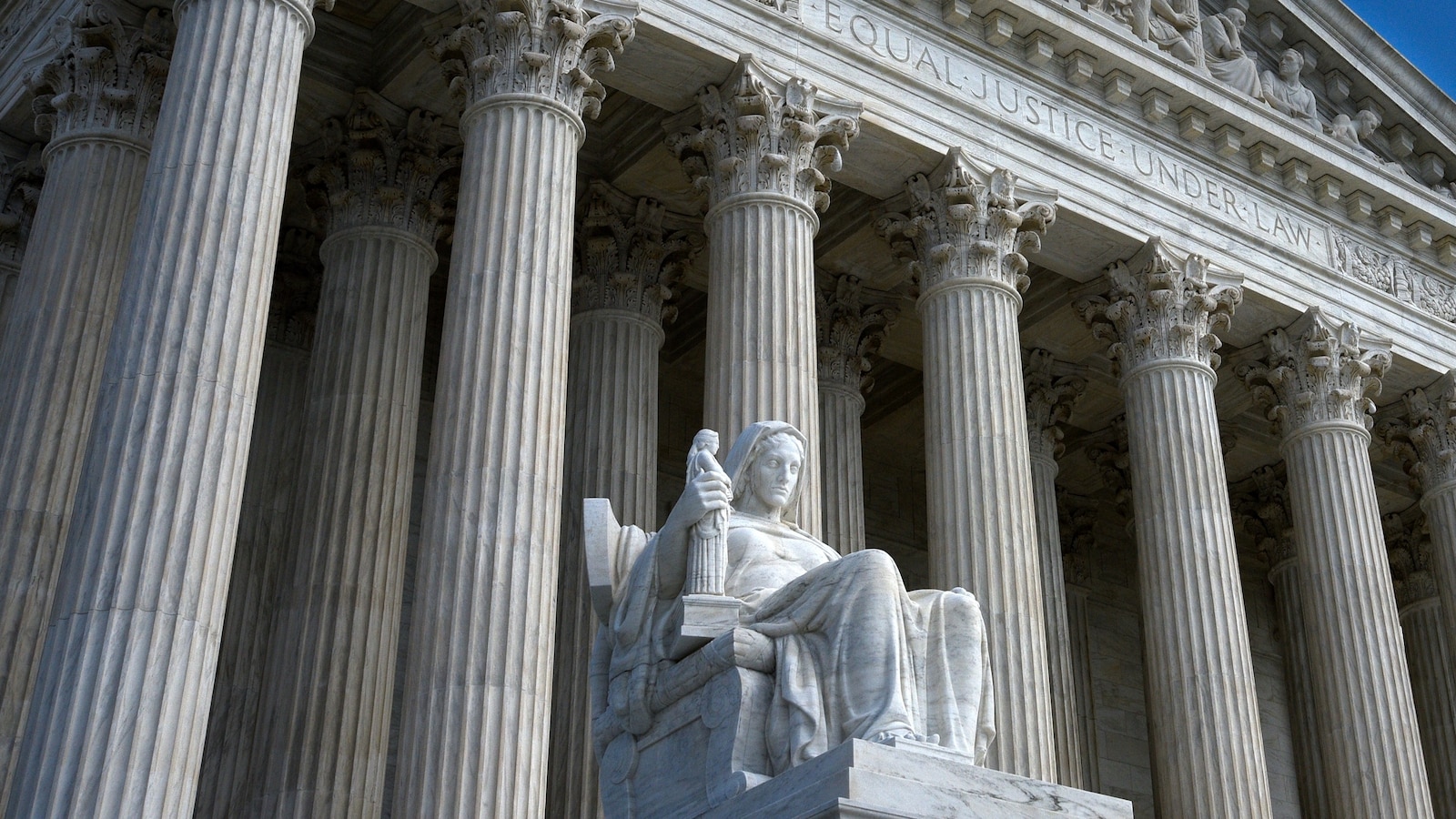
ABC News delves into the historical legal precedents surrounding birthright citizenship, emphasizing the 1898 Supreme Court case, United States v. Wong Kim Ark, which affirmed the 14th Amendment's provision. The analysis explores the complexities of altering such a deeply rooted legal doctrine and the procedural challenges involved. As the Supreme Court considers the current case, parallels are drawn with past decisions that reinforced citizenship by birth, highlighting the potential difficulty in deviating from established precedent without significant legal justification.
Supreme Court agrees to hear Trump’s challenge to birthright citizenship
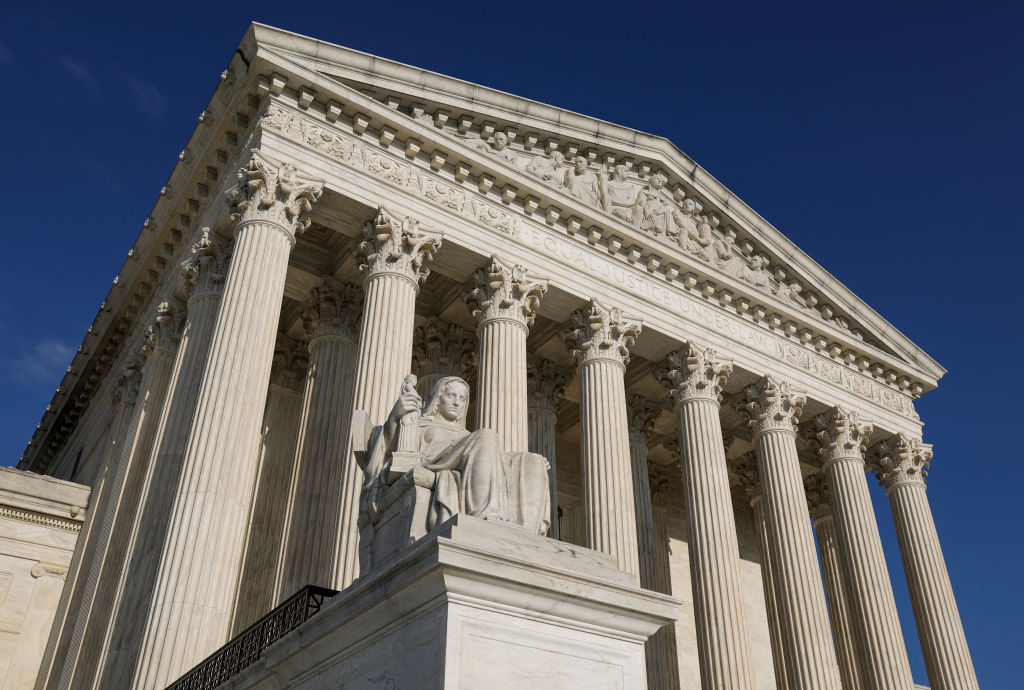
SCOTUSblog provides a detailed account of the legal proceedings, focusing on the Supreme Court's decision to review Trump's executive order. This challenge to birthright citizenship raises fundamental questions about presidential power and constitutional interpretation. The blog analyzes potential arguments and the broader impact on the judiciary's role in interpreting foundational rights. The case serves as a litmus test for how the Court might approach similar issues in the future, reflecting on both judicial restraint and activism in constitutional matters.
Summary / Insights
The Supreme Court's engagement with the birthright citizenship case highlights a critical intersection of constitutional law and immigration policy. News coverage reveals a spectrum of views, from legal analysis to socio-political implications. The potential reinterpretation of the 14th Amendment could reshape the legal landscape, affecting millions of American-born individuals and setting a precedent for future citizenship debates. As the nation anticipates the Court's decision, the case underscores the ongoing tension between legislative power and constitutional rights.

Resources
Sources and references cited in this article.