
Understanding the 2025 Trump $2,000 Stimulus Check Proposal
The discussion around a potential $2,000 stimulus check from the Trump administration in 2025 has stirred significant public interest and debate. This digest explores the news coverage, the implications of such economic measures, and the broader narrative of tariff dividends being used to fund these payments. We dissect the timeline of events and analyze various perspectives from media outlets to provide a comprehensive overview.
Main Topic Overview
In late 2025, rumors emerged about the Trump administration's proposal to issue $2,000 stimulus checks funded through tariff revenues. This initiative, if realized, would provide significant financial relief to American citizens while also aiming to reduce national debt. This proposal has sparked widespread discussion regarding its feasibility and the potential economic impact.
News Coverage
Stimulus payment December 2025, IRS direct deposit relief payment & tariff dividend fact check
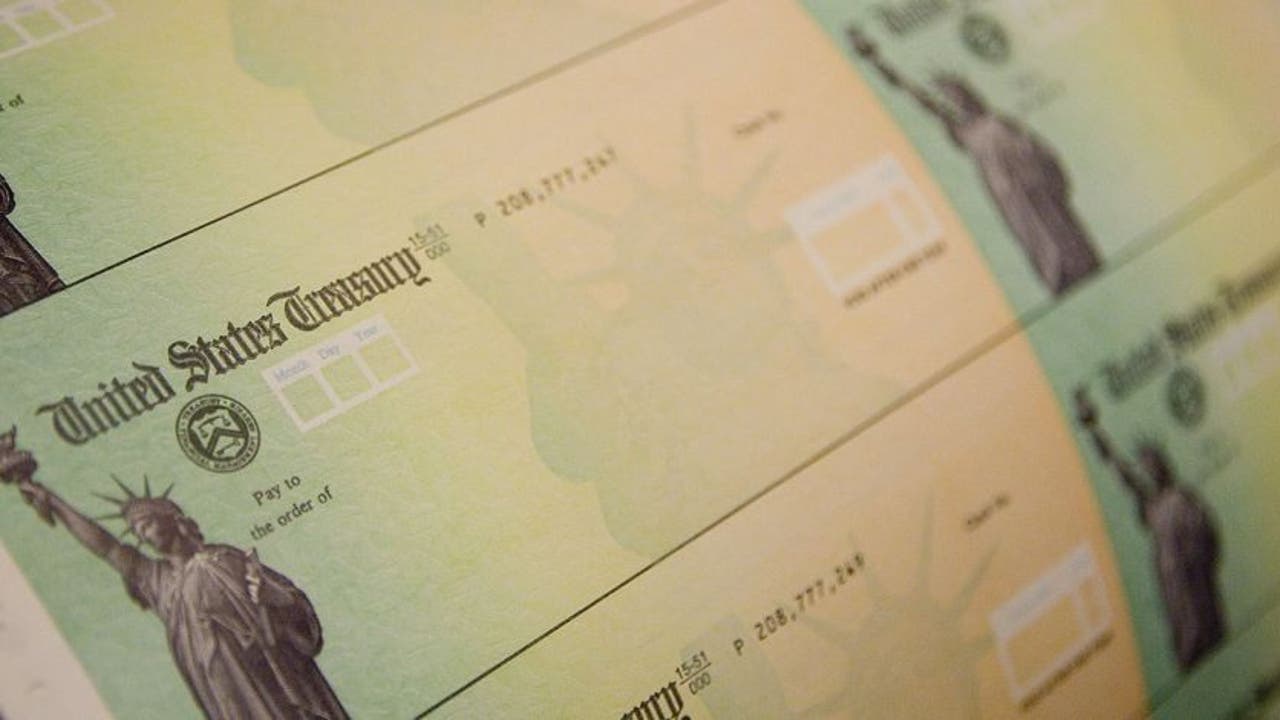
FOX 5 DC delves into the specifics of the proposed $2,000 stimulus check, examining the logistics of direct deposits and the role of tariff dividends in funding these payments. The article highlights skepticism regarding the feasibility of using tariffs to finance such a large-scale initiative, noting previous challenges the IRS faced with stimulus rollouts. This skepticism is a recurring theme in the coverage of this topic.
What would it mean to actually refund the tariffs? : The Indicator from Planet Money

NPR explores the complexity of refunding tariffs as a method to fund stimulus checks. The piece explains the economic implications and potential ripple effects on global trade dynamics. It also questions the sustainability of relying on tariffs for revenue, suggesting that such an approach might lead to unintended economic consequences. This analysis ties into broader concerns about the proposal's economic viability.
Trump admin confident in tariff rebate checks despite swirling skepticism

The Columbus Dispatch reports on the Trump administration's resolve to push forward with tariff rebate checks. Despite skepticism from economists and political commentators, the administration remains optimistic about the plan's potential to provide economic relief. This article highlights the administration's confidence and addresses criticisms regarding the practicality of using tariff revenues for such initiatives.
Trump tariffs: How can duties cover both dividends and help national debt?
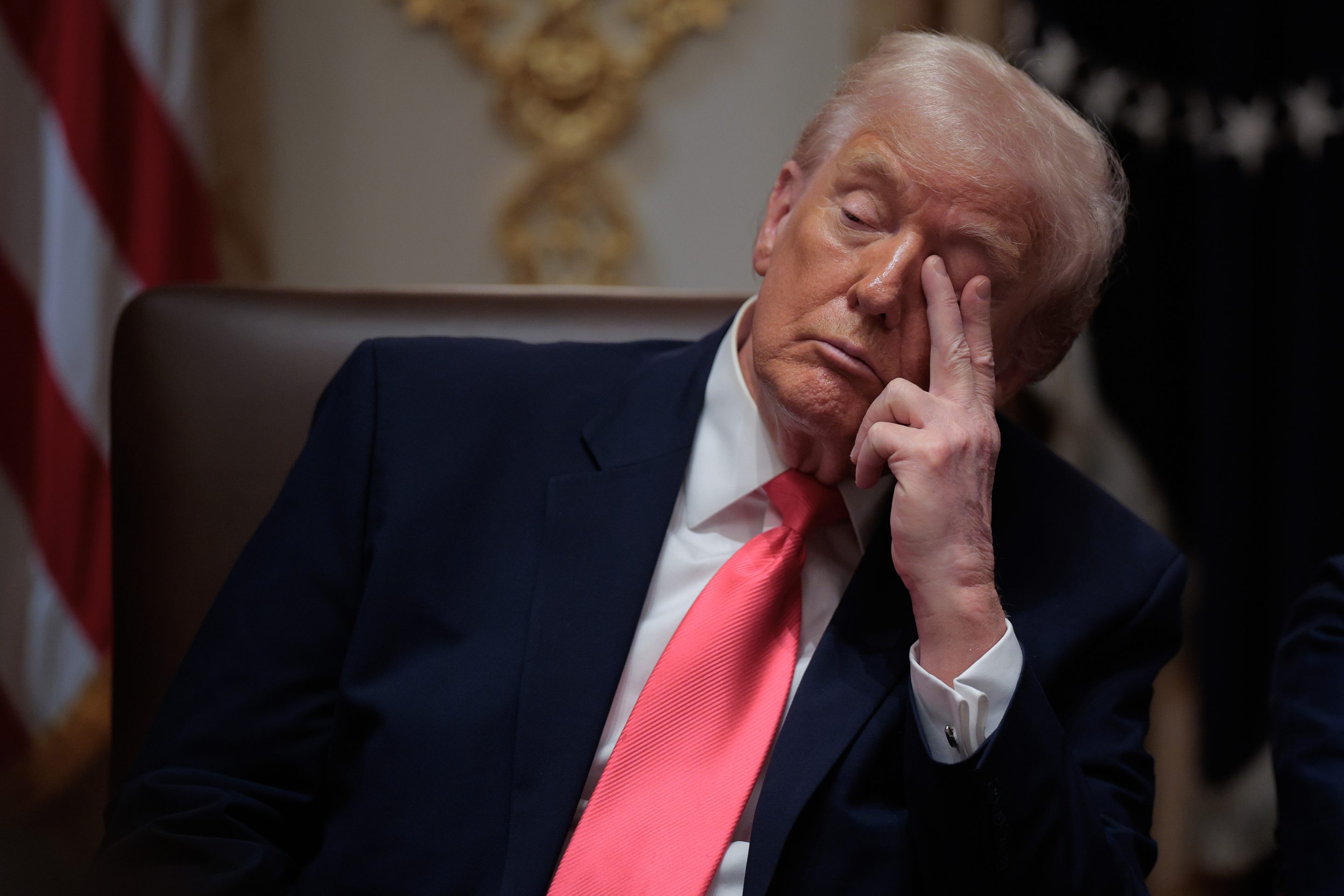
Fortune investigates the dual objectives of Trump's tariff strategy: funding dividends and addressing the national debt. The article scrutinizes the economic calculations behind these goals and debates the likelihood of success. It raises questions about the sustainability of such measures, echoing concerns from other media outlets about the feasibility of the proposed stimulus checks.
Summary / Insights
The proposed $2,000 stimulus checks funded by tariff revenues have sparked considerable debate. Media coverage reveals a mix of skepticism and cautious optimism, highlighting the complexity of implementing such a measure. Economists question the sustainability and long-term impacts on the economy, while the Trump administration remains confident in its strategy. As discussions continue, the feasibility of these checks hinges on navigating economic and political challenges.

Resources
Sources and references cited in this article.