
Australia's Groundbreaking Social Media Ban: A Deep Dive into its Global Implications
Australia has taken a pioneering step by implementing a social media ban for minors, a move that has sparked a global conversation about the digital world's impact on youth. This trend digest explores the multifaceted views surrounding the ban, its potential ripple effects worldwide, and the voices both supporting and opposing this controversial legislation.
Main Topic Overview
The recent enactment of Australia's social media ban for individuals under a certain age has stirred significant debate. It is being hailed as a bold move towards protecting children from online harms, while others criticize it as overly restrictive and hard to enforce. This initiative positions Australia as a frontrunner in digital safety, potentially setting a precedent for other countries. The following sections delve into the diverse perspectives presented in the media.
Australia launches youth social media ban it says will be the world's 'first domino'
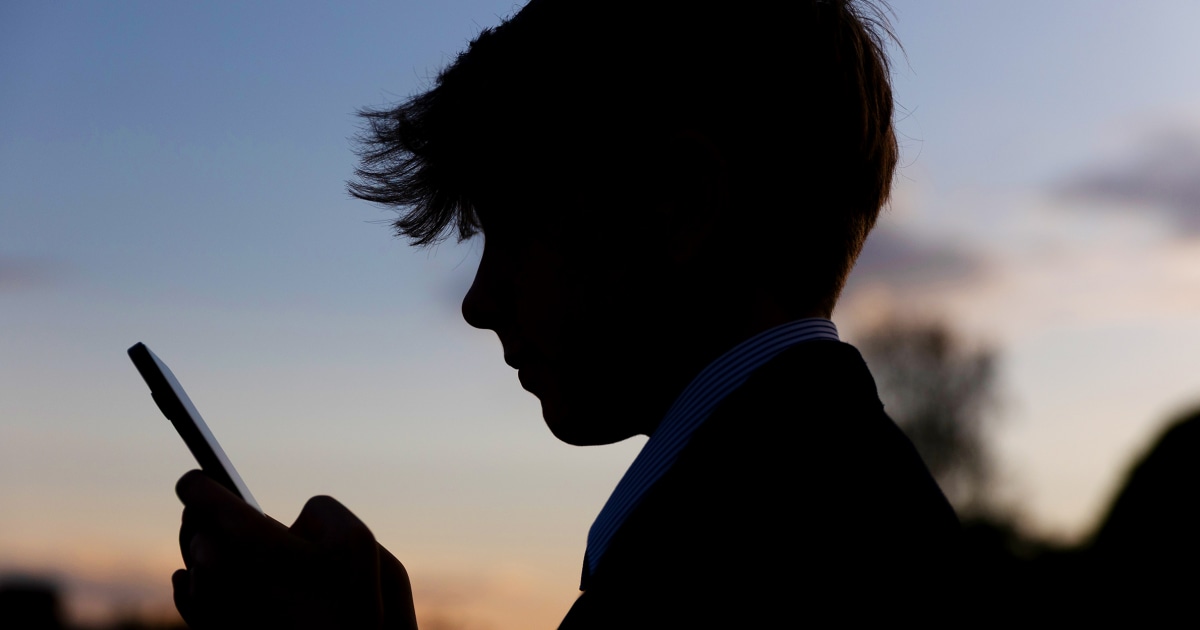
According to NBC News, Australia's new legislation is the first of its kind, potentially setting a global precedent. The ban targets major social media platforms, with the government highlighting its role as a protective measure against cyberbullying and mental health issues. Critics, however, question its practicality and the potential for unintended consequences, such as increased isolation among youth.
'The older the better': Child psychiatrist weighs in on new Australia law banning social media access for children under

CNN reports on the psychological perspective provided by child psychiatrists who generally support the age restrictions, arguing that later exposure can mitigate risks of addiction and developmental issues. However, they also acknowledge the need for parental involvement and digital literacy education as key components to complement the ban.
This country banned social media for young teens. Most don’t plan to comply.

The Washington Post highlights the skepticism surrounding enforcement, noting that many teenagers express intentions to bypass the ban through workarounds such as VPNs. This raises questions about the effectiveness of the legislation and the importance of digital literacy for both children and parents to responsibly navigate the online world.
These young Australians grew up with social media - what do they think of the ban?

The BBC presents viewpoints from young Australians who have grown up with social media. Many express mixed feelings, acknowledging the potential benefits of reduced online pressure but also voicing concerns over losing a vital communication tool. This reflects the broader societal debate on balancing safety with the freedom of digital expression.
Australia is first nation to ban social media for kids. Is the US next?

USA Today explores the potential international implications, speculating whether the United States might consider similar measures. It raises a critical discussion on the balance between protecting youth and respecting freedom of information, a debate that could influence future policy decisions in other countries.
Summary / Insights
The introduction of Australia's social media ban for minors is a landmark decision that has ignited diverse reactions worldwide. While the intention to shield youth from digital harms is widely recognized, the debate centers on enforcement challenges and the broader implications for internet freedom. This move might encourage similar legislation in other nations, but it also underscores the need for comprehensive digital education and parental involvement. As the world watches, the unfolding effects of this policy will continue to shape discussions on digital safety and children's rights.

Resources
Sources and references cited in this article.