
• Explore the newly released Heritage at Risk register and its significance across England.
• Highlight Edward Jenner’s garden hut and its role in vaccination history.
• Analyze how Historic England’s 2025 update sheds light on both preservation and neglect.
• Discuss media coverage from BBC, The Guardian, The Independent, and Museums Association.
• Reflect on public interest in heritage, from ancient Roman sites to modern cultural landmarks.
England’s 2025 Heritage at Risk Register Reveals Fragile Icons — From Edward Jenner’s Hut to Roman Marvels
The 2025 edition of England’s Heritage at Risk Register has sparked nationwide discussion about preservation, memory, and the fragility of historical landmarks. Among the most striking inclusions are Dr. Edward Jenner’s garden hut — the birthplace of vaccination — and a range of Roman, medieval, and industrial sites now threatened by decay and climate impact. This digest brings together how leading UK outlets are covering the story and what it reveals about Britain’s ongoing struggle to safeguard its cultural past.
Main Topic Overview
Historic England’s latest update to its annual Heritage at Risk Register identifies 138 new sites needing urgent care. From London’s Hampstead Pergola to Fenland churches and public toilets listed for their architectural merit, the range of endangered locations underscores how diverse the nation’s built heritage truly is. The case of Jenner’s hut — once the cradle of immunology — is particularly symbolic, reminding the public that even world-changing sites can quietly deteriorate without sustained attention. The narrative unfolding across national media reflects both alarm and admiration: alarm at how many structures remain vulnerable, and admiration for the community volunteers fighting to restore them.
News Coverage
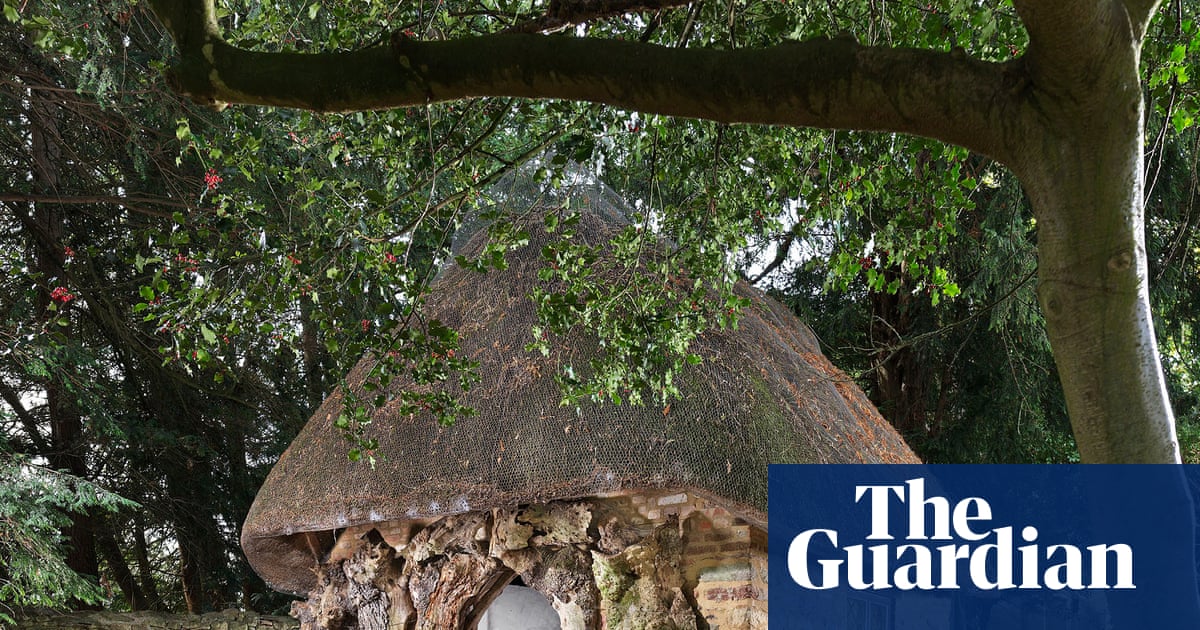
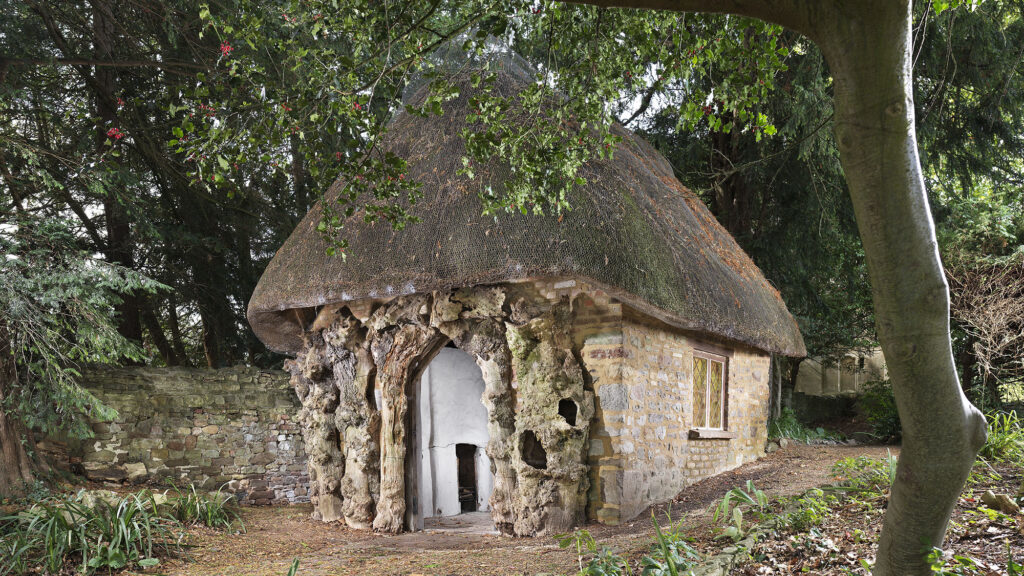
Garden shed of vaccine pioneer Edward Jenner added to heritage at risk register

The Guardian spotlighted Jenner’s modest hut in Gloucestershire, calling it a “world-changing shed.” Used in the 18th century for Jenner’s groundbreaking smallpox vaccination experiments, it has now fallen into structural disrepair. The report contextualized its inclusion as part of a wider debate on funding for rural heritage conservation. The article’s tone blended nostalgia with urgency, highlighting how places linked to medical milestones risk being lost to neglect.
Historic England adds 138 new sites to its Heritage at Risk register
The Museums Association provided a technical overview of the new list, explaining Historic England’s criteria for risk assessment. The article emphasized how climate change, urban development, and lack of maintenance remain the biggest threats. It also highlighted restoration successes, such as Yorkshire sites that have exited the list, balancing the narrative between warning and hope. The inclusion of Jenner’s hut was described as a “cultural health check for science and society alike.”
What happens to East of England sites on the at-risk register?
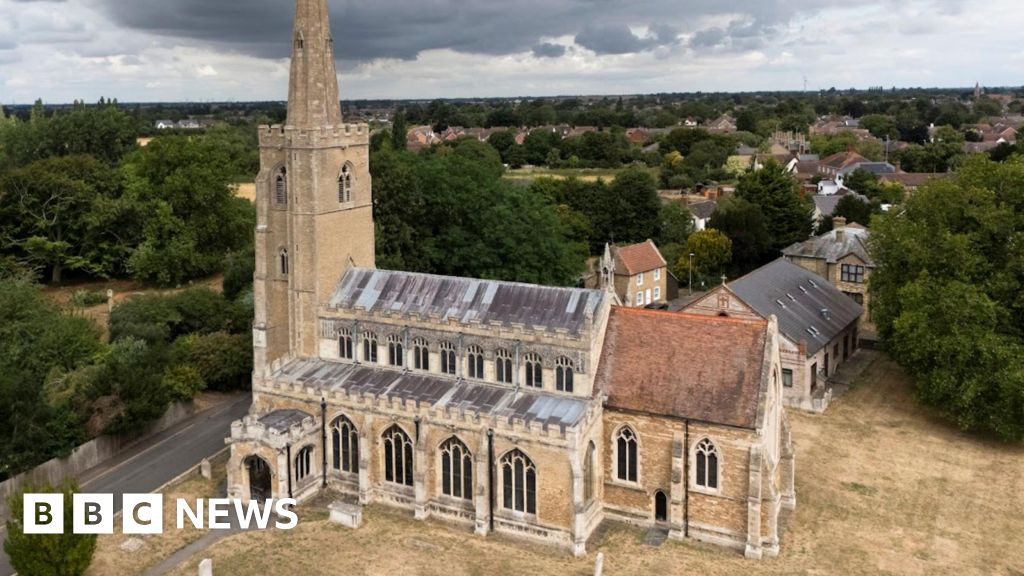
The BBC examined how the register affects specific regions, notably the East of England, where historic churches and industrial mills dominate the list. Interviews with local heritage officers revealed how community fundraising, coupled with small grants, can help sites recover. The article showcased several success stories where collaborative action removed properties from the at-risk category, showing the tangible results of local engagement.
These public toilets have been saved by England’s heritage list. Here’s why
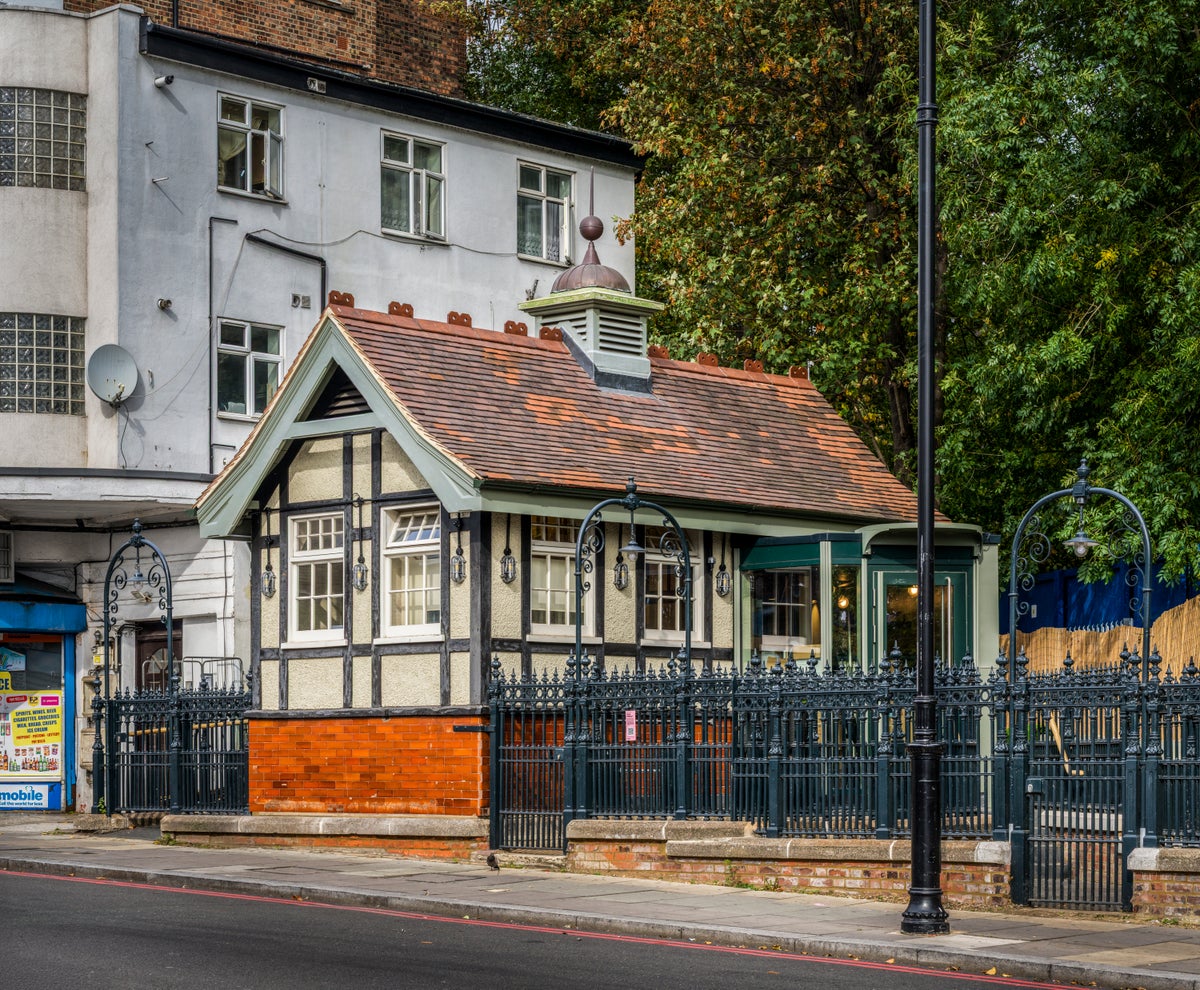
The Independent approached the topic with humor and affection, celebrating how even public conveniences can embody design history. It explained that ornate Edwardian restrooms and modernist shelters across England have been recognized for their civic value. The piece underscored how heritage preservation is not just about castles and cathedrals, but also about protecting the everyday spaces that defined 20th-century urban life.
More heritage buildings at risk in latest Heritage at Risk Register
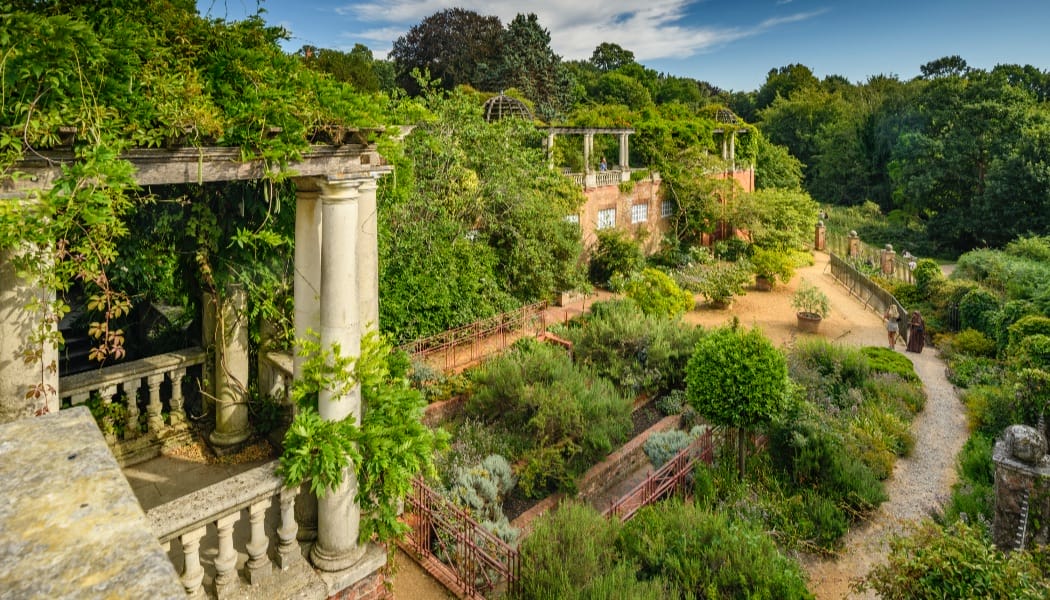
Museums + Heritage zoomed in on urban locations, particularly in London. The Hill Garden Pergola, a Grade II-listed architectural gem in Hampstead, was cited as an example of slow structural erosion. The outlet stressed that even well-loved landmarks need continuous maintenance, not just symbolic recognition. Its report linked the issue to broader conversations about funding cuts for local councils responsible for upkeep.
Birthplace of vaccination and Roman hypocaust among heritage at risk in 2025

The Pink Un combined medical and archaeological heritage in its coverage, pairing Jenner’s hut with a Roman hypocaust system in Norfolk. The piece underlined the vulnerability of both scientific and ancient achievements to weather and neglect. It reflected how Britain’s layered past—spanning millennia—faces modern challenges from climate change and resource scarcity.
Summary / Insights
- Heritage vulnerability: From humble huts to grand gardens, even celebrated landmarks can deteriorate quickly without funding.
- Public involvement: Community projects continue to play a vital role in restoring local identity through heritage.
- National reflection: The inclusion of Jenner’s hut reignites debate over how Britain values scientific and cultural heritage equally.
- Hope and warning: Each success story — such as Yorkshire’s rescued sites — contrasts with the growing national maintenance backlog.
TL;DR
England’s 2025 Heritage at Risk Register adds 138 sites, including Edward Jenner’s vaccination hut and Roman ruins, spotlighting the country’s ongoing challenge to preserve its cultural DNA amid financial and environmental pressures.
Internal link: /trends/us/other

Resources
Sources and references cited in this article.