
Waymo's Bold Moves: Navigating the Future of Autonomous Driving
Waymo, a pioneer in self-driving technology, is making headlines with its recent activities in San Francisco. As the company expands across the US, it faces both kudos and criticisms, reflecting the complexities of autonomous vehicle integration into urban landscapes. This trend digest explores the multifaceted developments surrounding Waymo, analyzing recent events and their broader implications.
Main Topic Overview
Waymo, a subsidiary of Alphabet Inc., has been at the forefront of autonomous vehicle innovation. Recently, it has expanded its services to more cities across the US, sparking discussions about safety, competition, and driving etiquette. The company's aggressive expansion strategy has not been without challenges, as evidenced by a series of incidents that have caught public attention.
News Coverage
Waymo standoff in San Francisco goes viral
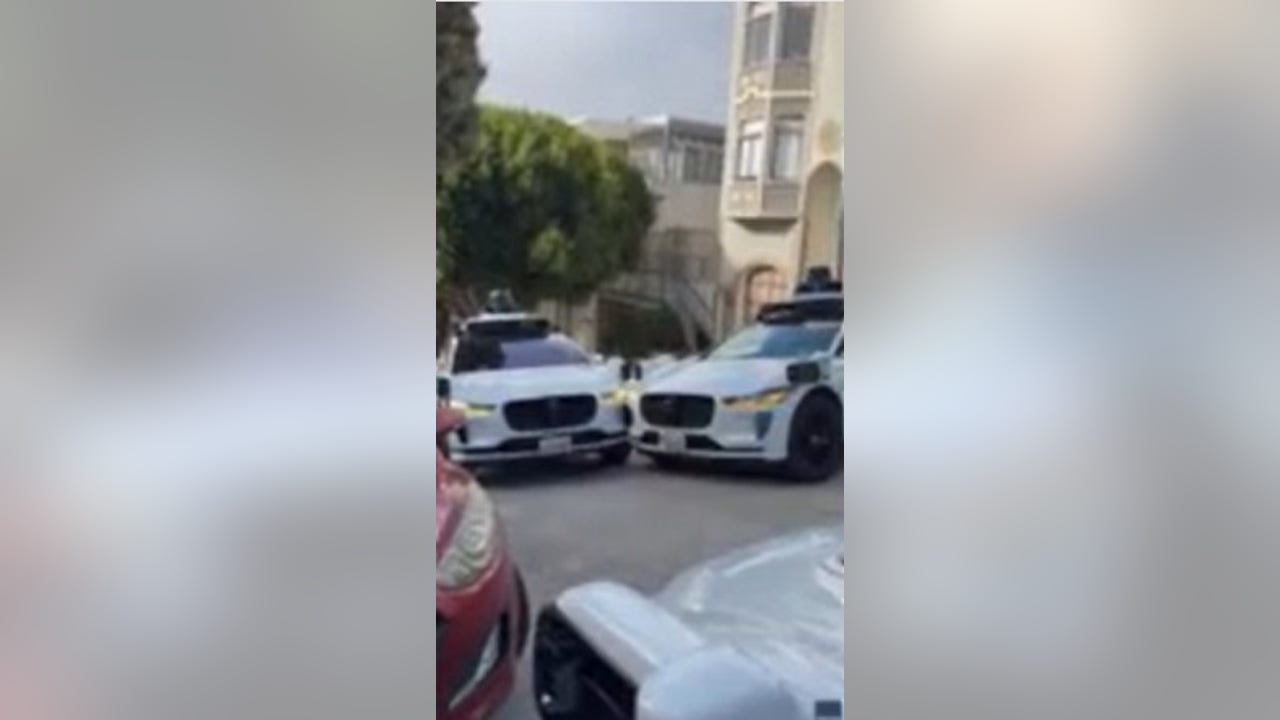
A video of Waymo's self-driving cars causing a traffic standoff in San Francisco has gone viral, drawing significant attention to the challenges of integrating autonomous vehicles into urban areas. The incident highlights potential flaws in current autonomous driving software, as the cars reportedly failed to navigate a common traffic scenario, causing frustration among local drivers. This event underscores the need for improved AI decision-making in real-world environments.
Waymo runs into safety concerns and competition as it expands in the US

As Waymo expands its footprint, it encounters safety concerns from the public and increasing competition from other technology firms. These challenges are part of a broader narrative where the company's technological advancements must be balanced with community acceptance and regulatory scrutiny. The pressure is mounting as consumers and regulators demand safer and more reliable autonomous driving experiences.
Three Waymo cars halt traffic on San Francisco street

In a dramatic turn of events, three Waymo vehicles were involved in a standoff that disrupted San Francisco traffic. This incident raises questions about the readiness of autonomous vehicles to handle complex urban traffic environments. The standoff has sparked discussions regarding the reliability and decision-making capabilities of self-driving technology, particularly in unpredictable human-driven traffic scenarios.
Waymo self-driving cars in 'standoff' cause traffic jam in San Francisco, video shows
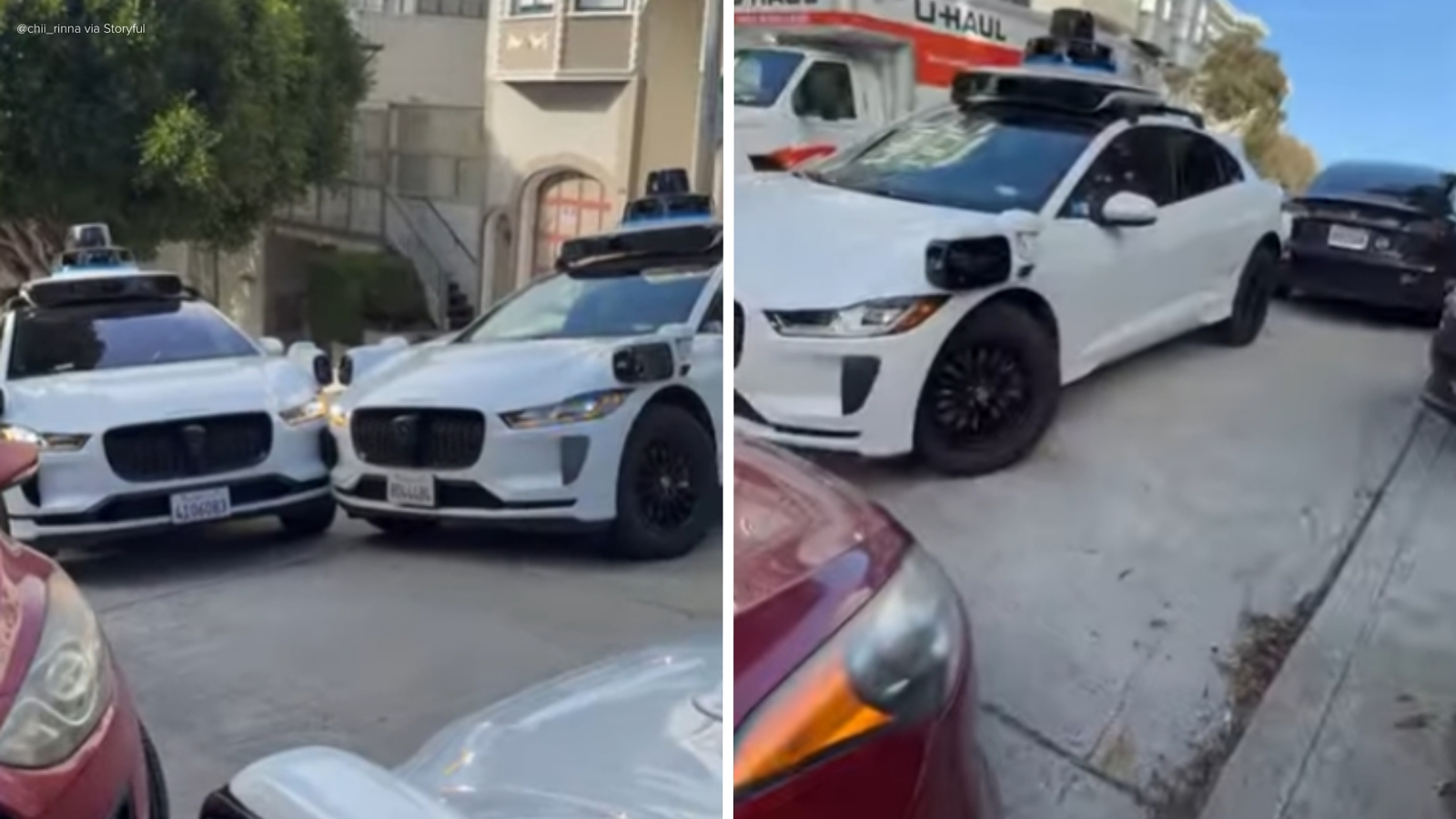
ABC7 reports on a viral video capturing Waymo cars in a standoff that caused significant traffic congestion. The footage has fueled debates over the efficacy of autonomous vehicles in dynamic traffic conditions and whether current AI systems can adapt to real-world complexities. This situation is a reminder of the ongoing challenges in autonomous vehicle technology and the necessity for continuous improvement and adaptation.
Summary / Insights
The recent incidents involving Waymo's self-driving cars in San Francisco have highlighted the ongoing challenges and discussions surrounding autonomous vehicle technology. As Waymo continues to expand, it faces a dual challenge: ensuring safety and gaining public trust while competing against other tech giants. These events serve as a crucial reminder of the complexities involved in integrating autonomous vehicles into existing urban infrastructures and the importance of refining AI algorithms to handle real-world scenarios effectively. As the debate continues, the outcomes of these technological advancements will likely shape the future of urban mobility.

Resources
Sources and references cited in this article.