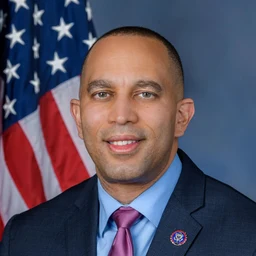
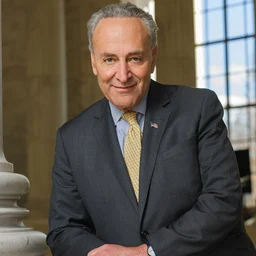
251 votes in favor and 11 against gave Rep. Hakeem Jeffries an overwhelming victory in the House Democratic Caucus's speaker nomination Wednesday. The New York Democrat is positioned to become the first Black speaker of the U.S. House of Representatives after his party's sweeping midterm victory. But Wednesday's secret ballot was an internal party decision, not the final election: Jeffries must still win a House floor vote when the new Congress convenes in January.
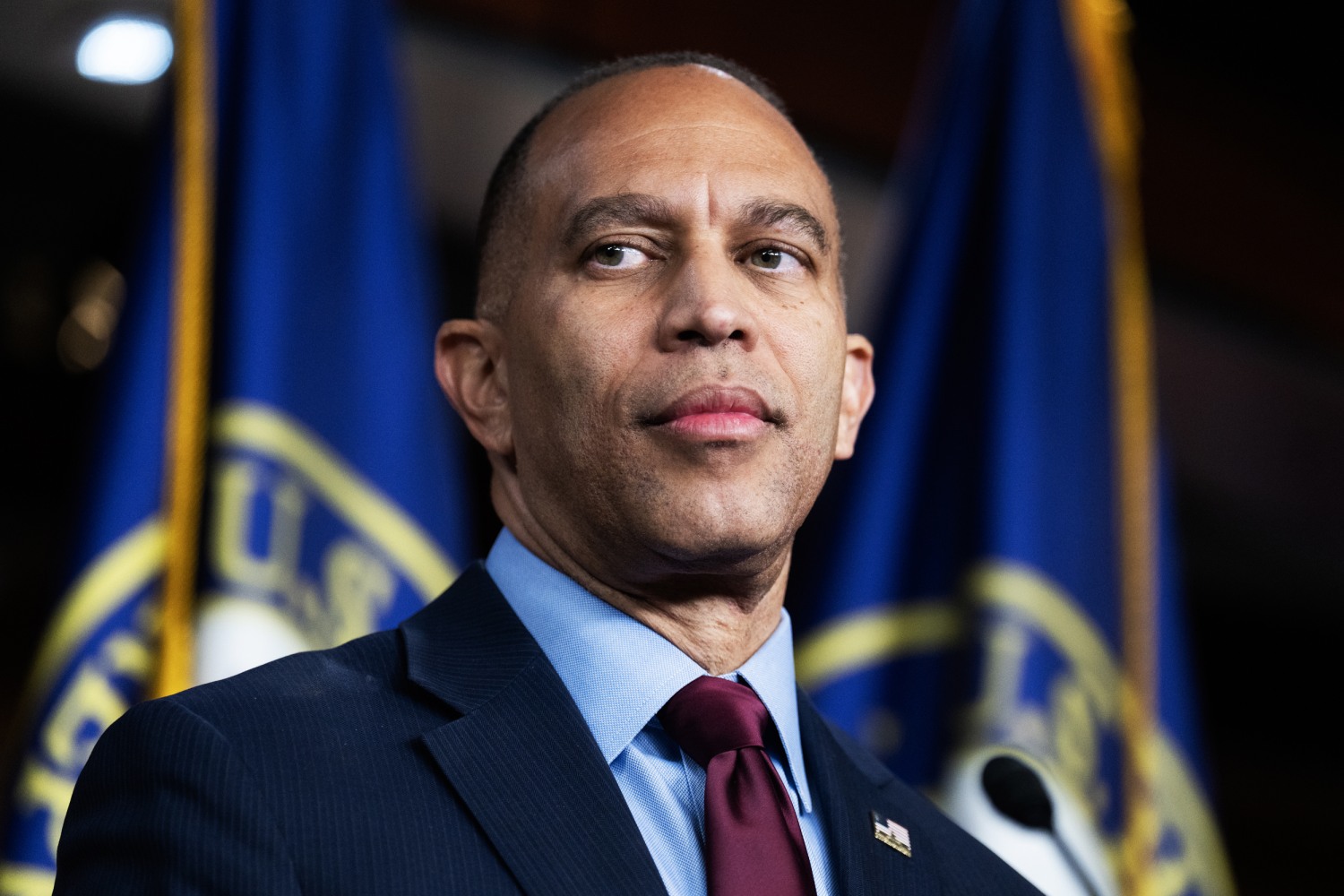
The Result
Democrats nominated Jeffries in a closed-door vote on November 18, with 251 members supporting him and 11 opposing him. According to NBC News' account of the caucus election, no rival entered the race despite criticism from progressive members and activists seeking different leadership.
The 262 ballots represented the caucus vote, not national voter turnout. Because the ballot was secret, the identities of the 11 opponents have not been disclosed.
NBC News projects Democrats will hold 259 House seats, their largest majority in 35 years. Jeffries needs 218 votes to become speaker, giving him a substantial cushion even if some Democrats oppose him in January.
How the Vote Unfolded
Jeffries specifically requested a recorded tally rather than an uncontested nomination by acclamation. The decision allowed Democratic lawmakers to register support or opposition privately while producing a measurable result.
That choice echoed the approach used when Nancy Pelosi returned to the speakership following the 2018 midterm elections. Jeffries had faced calls for a new generation of leadership, but his party's electoral success strengthened his position.
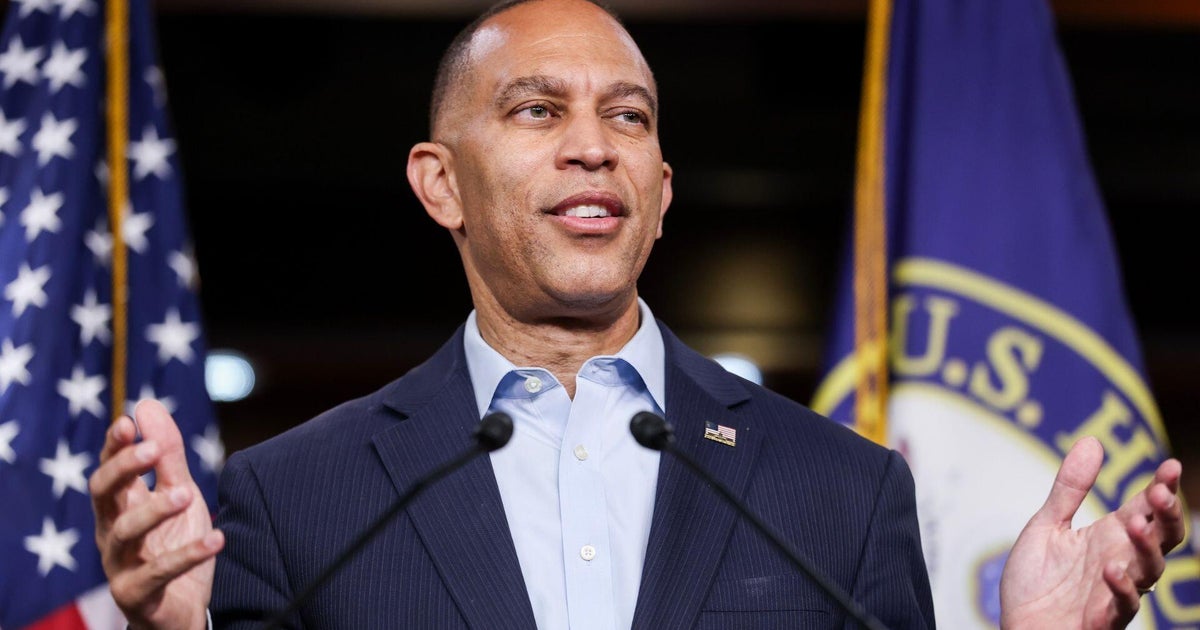
The provided reports do not identify geographic or demographic voting patterns within the caucus. What the tally establishes is that Jeffries secured support from more than 95% of the members who cast ballots.
His position contrasts with Republican Kevin McCarthy's difficult 2023 speaker election. McCarthy faced a narrow 222-212 Republican majority and needed 15 ballots to secure the gavel. Jeffries enters his floor election with a much larger projected majority.
Who Won and Why
Jeffries, 56, has represented a generational transition in Democratic leadership since succeeding Pelosi as the party's House leader in 2023. A Brooklyn native and former Democratic Caucus chairman, he spent recent months campaigning nationally as Democrats pursued control of Congress.
His nomination reflects both electoral success and the absence of an organized leadership challenger. The 11 opposing votes nevertheless show that unanimous support has not been achieved.
Before the nomination, Jeffries met separately with leaders of the Congressional Progressive Caucus, New Democrat Coalition and Blue Dog Democrats. Those conversations addressed the challenge of managing a large majority containing lawmakers with different policy priorities.
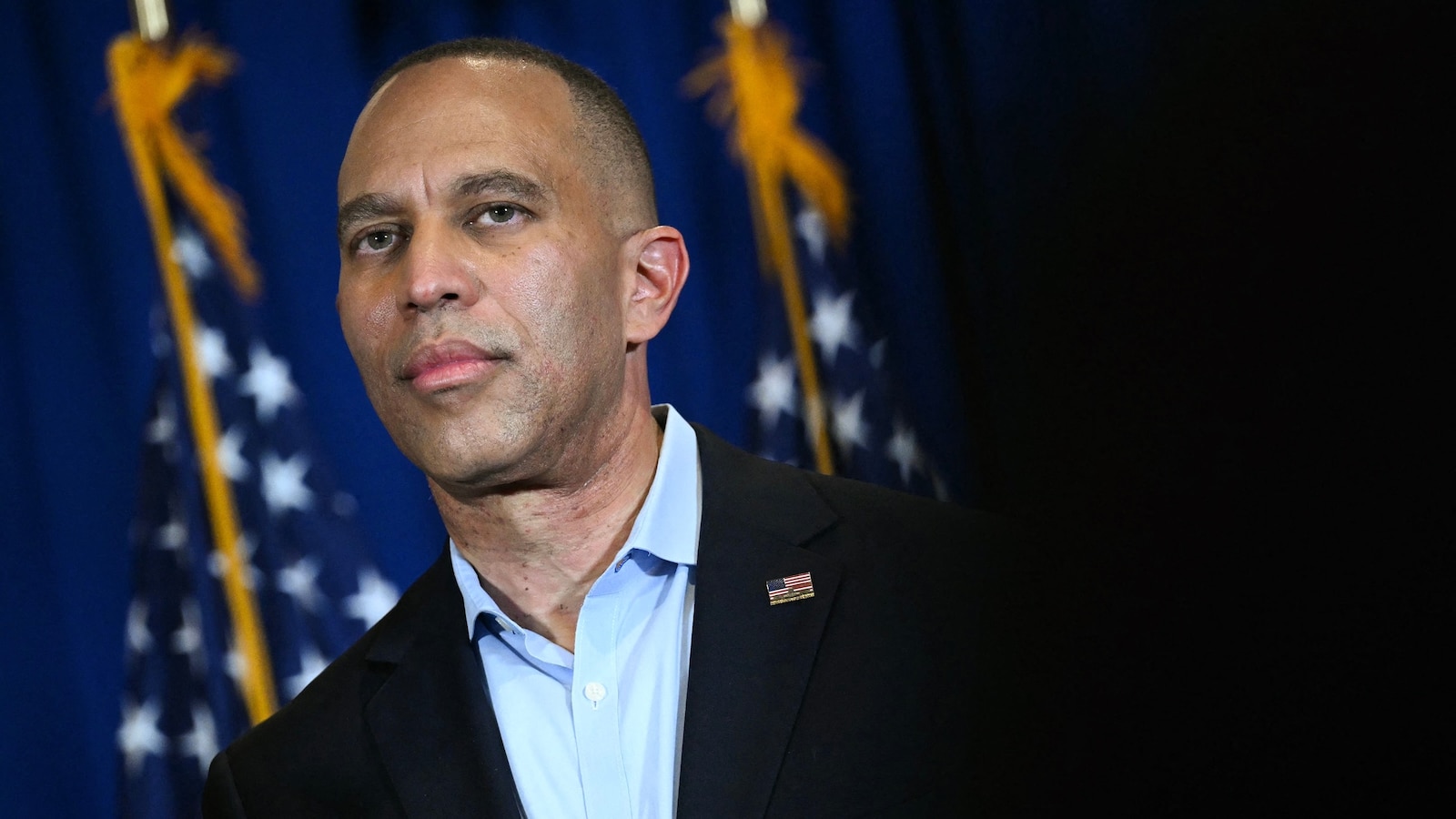
His priorities have centered on affordability, a message directed at households struggling with everyday expenses. That agenda helped define the Democrats' post-election positioning and now creates expectations for legislative action.
What It Means for Policy and Power
Winning the speakership would give Jeffries control over a House majority capable of advancing Democratic legislation with substantially more room for internal disagreement than the previous Republican majority enjoyed.
The immediate political test will be translating campaign commitments on affordability into legislation. A larger majority can make passing bills easier, but disagreements among progressive and moderate Democrats will still require negotiation.
Jeffries would also become second in the presidential line of succession, after Vice President JD Vance, according to Deadline's report on the leadership transition.
Republicans, meanwhile, have selected Ohio Rep. Jim Jordan as their next House minority leader. Outgoing Speaker Mike Johnson chose to leave Republican leadership after the midterm defeat.
The broader Democratic leadership slate could also produce historic firsts. Katherine Clark is expected to become majority leader, Pete Aguilar majority whip, and Joe Neguse assistant speaker. Ted Lieu has already been unanimously elected caucus chairman.
What Happens Next
The decisive vote is scheduled for January 3, when the new Congress begins. Jeffries must secure the required House floor majority before formally becoming speaker and succeeding Johnson.
Other Democratic leadership elections are expected Wednesday or Thursday. The significant contested caucus leadership race pits Sara Jacobs against Lauren Underwood for vice chair.
Meanwhile, Senate Democrats face a separate leadership contest. Maryland Sen. Chris Van Hollen is challenging Chuck Schumer's effort to return as majority leader, with that election expected next month.
For Jeffries, the central challenge has shifted from winning his party's nomination to maintaining enough support for the January floor vote and delivering on the economic promises that accompanied Democrats' electoral victory.
Frequently Asked Questions
Did Hakeem Jeffries win the House speaker election?
No. Jeffries won the Democratic nomination on November 18 by 251 votes to 11. The full House will elect its speaker in January.
When will Hakeem Jeffries become speaker?
The House speaker election is scheduled for January 3. Jeffries must win the floor vote before taking office.
How many votes does Jeffries need to become speaker?
He needs 218 votes under the reported House membership projections. Democrats are projected to hold 259 seats.
Would Jeffries be the first Black House speaker?
Yes. If elected, the Brooklyn Democrat would become the first Black speaker in the chamber's history.
Who will lead House Republicans?
Republicans have selected Ohio Rep. Jim Jordan as their next minority leader, succeeding the outgoing Republican leadership under Mike Johnson.