
SCOTUSblog Spotlight: Supreme Court Weighs Military Contractor Liability and Wartime Accountability
As the Supreme Court hears pivotal arguments about whether military contractors can be held liable for wartime negligence, legal analysts and media outlets are closely watching what could become a landmark case. The issue—rooted in an Afghanistan bombing that injured a U.S. soldier—tests the balance between private accountability and military immunity. This digest compiles major coverage from SCOTUSblog, Defense News, and others, exploring how this case could reshape the legal boundaries of war-zone responsibility and civilian oversight.
Main Topic Overview
The Supreme Court is examining whether contractors operating alongside U.S. forces in conflict zones should be shielded from lawsuits related to alleged negligence or misconduct. The case stems from an incident in Afghanistan where a U.S. soldier was wounded in a suicide bombing. The plaintiff argues that contractor negligence contributed to the injuries, while the defense claims immunity due to their role under military supervision. The outcome could redefine accountability in the growing privatization of defense operations.
News Coverage
Justices debate protections for contractors from some suits for mishaps in war zone
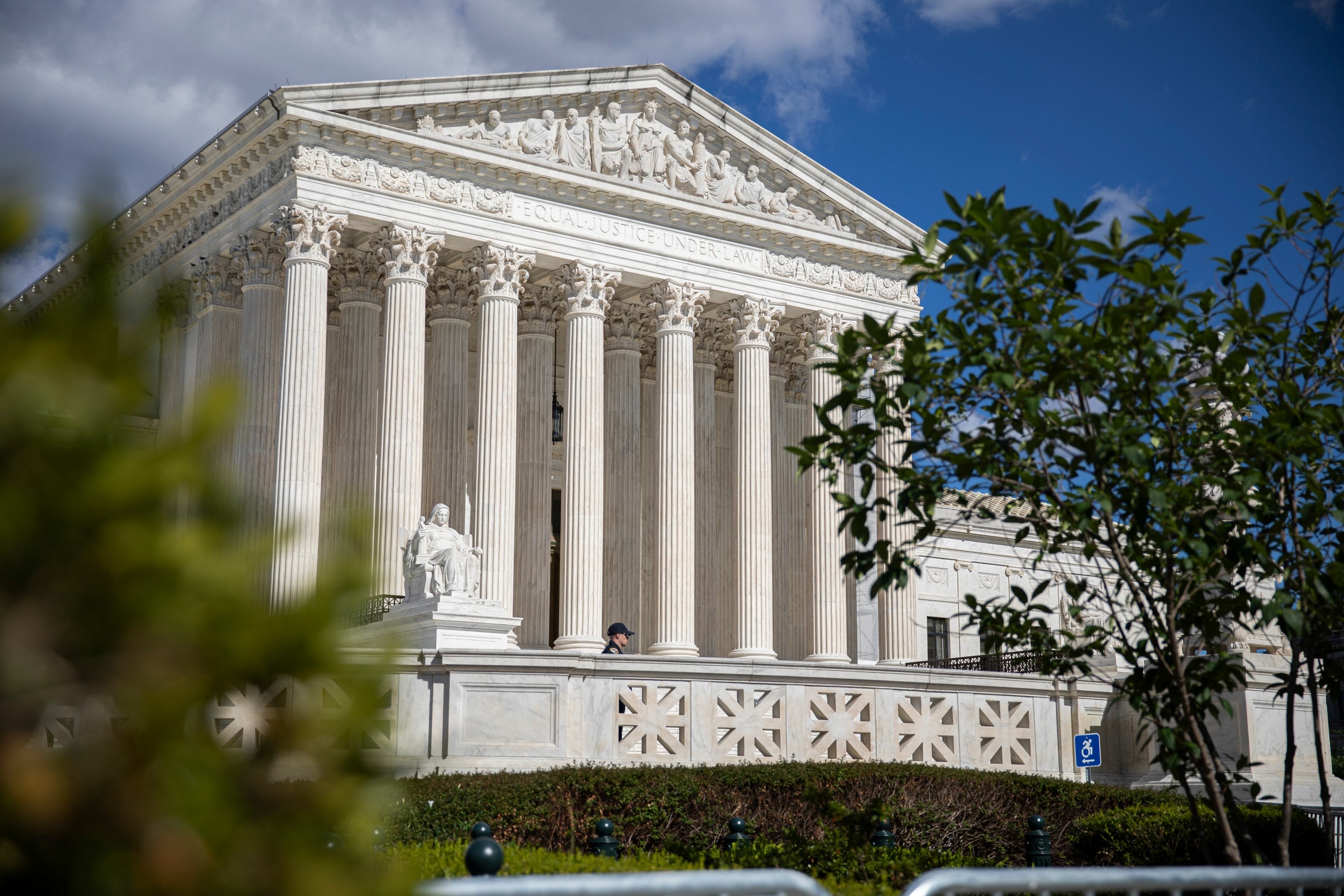
SCOTUSblog provides a detailed overview of the oral arguments, emphasizing how justices wrestled with the fine line between national security interests and civilian rights. Some justices expressed concern that allowing lawsuits could expose sensitive military decisions to courtroom scrutiny, while others questioned whether immunity for contractors leaves injured soldiers without recourse. The coverage highlights the complexity of defining accountability in modern warfare, where private entities perform government-like functions.
Supreme Court weighs if contractor can be sued for wartime negligence
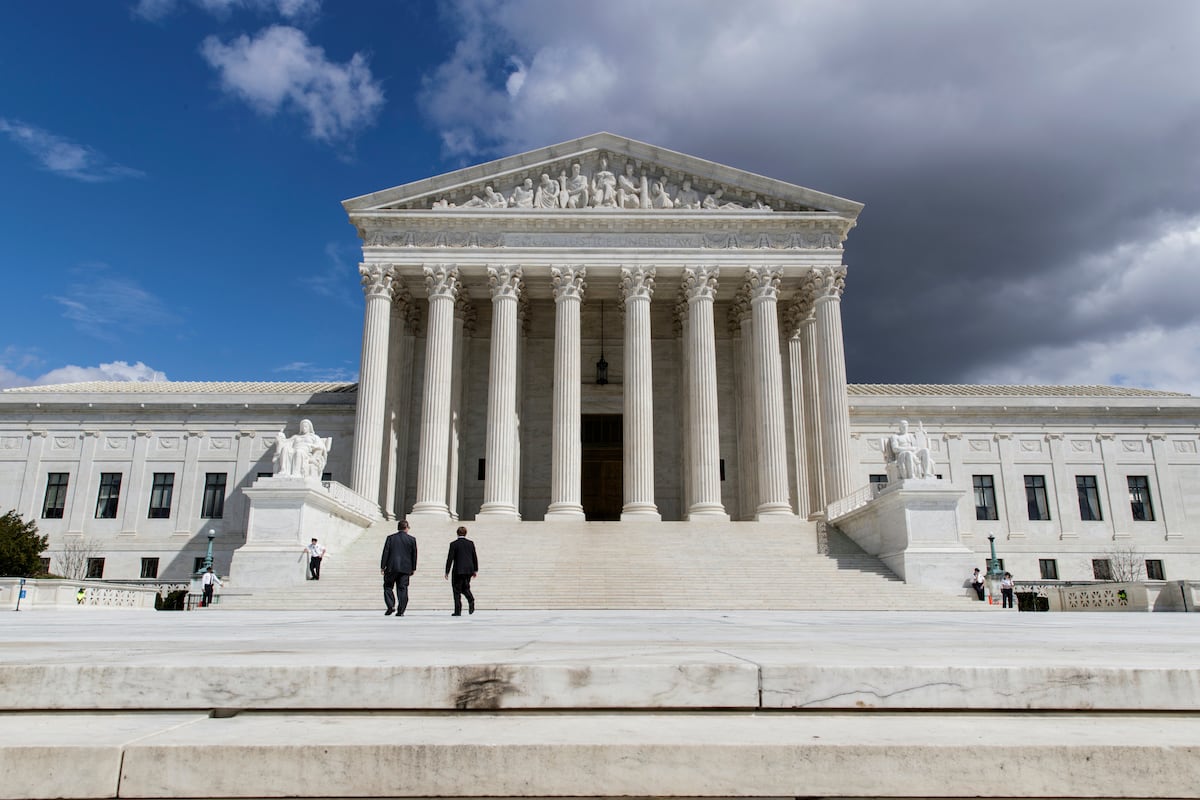
Defense News examines the broader military implications of the case, warning that a ruling against the contractor could open the door to widespread litigation over combat-related incidents. The article quotes defense analysts who fear such suits might deter contractors from supporting U.S. missions abroad. Yet, advocates for the plaintiff argue that unchecked immunity undermines justice and accountability. This clash reflects a long-running tension between operational necessity and individual rights under wartime law.
Soldier wounded in suicide bombing wants right to sue military contractor

The Washington Post brings a human angle to the case, telling the story of the soldier seeking justice. The article outlines how his injuries and subsequent legal struggle spotlight the gray area between military authority and contractor responsibility. Legal experts cited argue that the case could redefine “combat immunity,” a doctrine shielding both soldiers and, at times, private entities. The Post emphasizes how personal tragedy has become a catalyst for a constitutional question about who bears responsibility in war.
Justice Kavanaugh Worries US Military’s Actions Will Be Put on Trial

Newsweek focuses on Justice Kavanaugh’s concerns that litigation against contractors could indirectly put U.S. military decisions “on trial.” During oral arguments, he questioned how courts can separate contractor conduct from military strategy without compromising national defense secrets. The piece underscores a judicial dilemma—how to balance constitutional accountability with the realities of modern warfare, where private companies act as critical extensions of military operations.
High Court Weighs Whether to Revive Afghanistan Bombing Suit

Bloomberg Law contextualizes the case within prior precedents on contractor liability, noting that courts have traditionally deferred to military judgment in combat zones. The outlet details how this case could reopen previous claims dismissed under the “political question doctrine.” Legal scholars told Bloomberg that the decision could either reinforce or weaken the protective legal walls around defense contractors, setting a major precedent for future wartime claims.
Court to consider protection of military contractors from certain suits
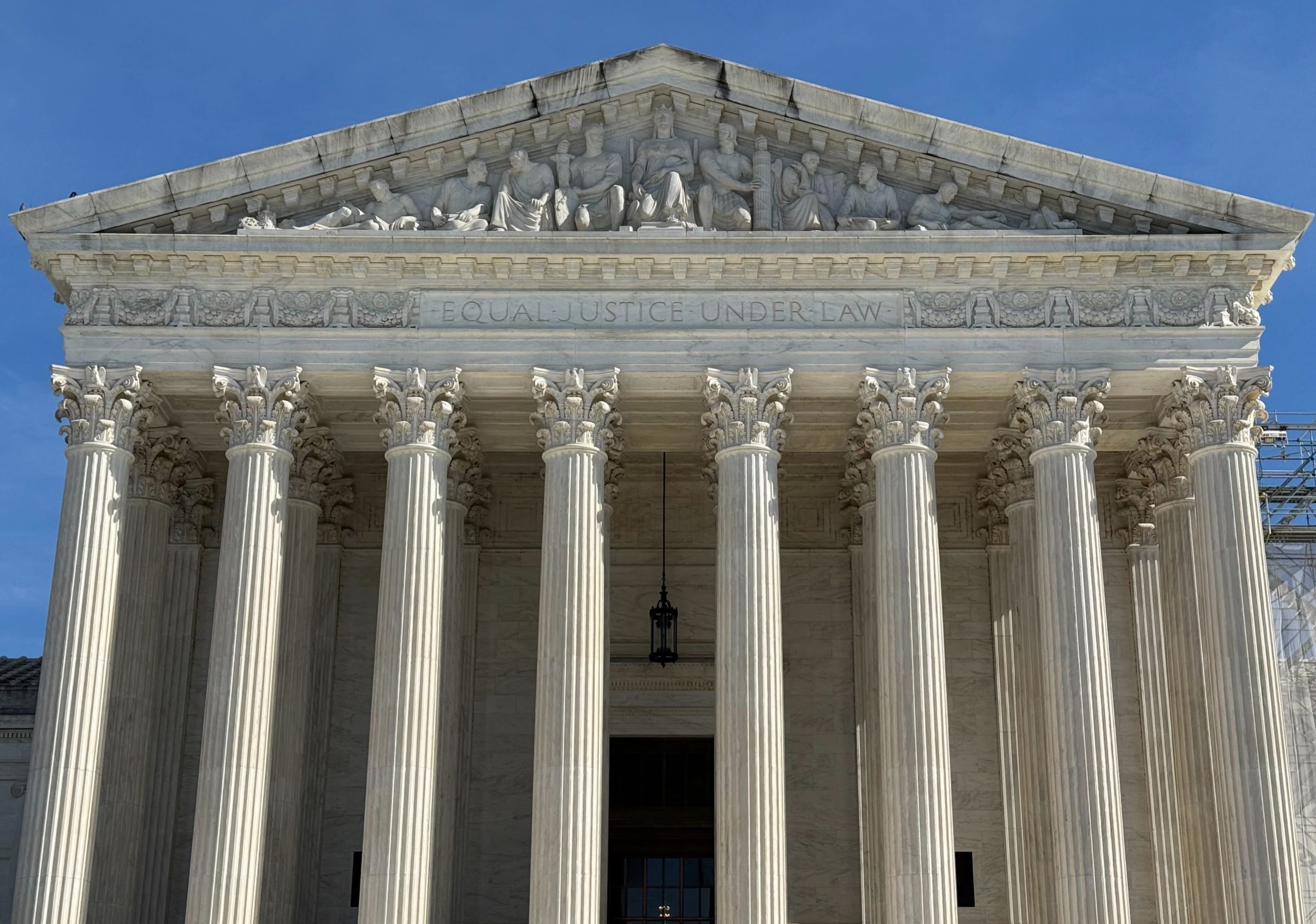
This earlier SCOTUSblog preview frames the case as a test of the boundaries of judicial oversight in military affairs. The report explains that the Court’s eventual decision will not only determine one soldier’s ability to seek damages but also signal how much legal accountability private contractors face when acting under government direction. The preview emphasizes that while national security concerns dominate, constitutional checks remain a core consideration.
Summary / Insights
Together, the coverage paints a vivid picture of a Court torn between two imperatives: safeguarding military effectiveness and preserving legal accountability. As private contractors play ever-larger roles in modern warfare, their legal status remains unsettled. Whether the justices side with immunity or access to justice, the decision will echo far beyond this single case—potentially reshaping how the United States governs the intersection of war, law, and privatization.
TL;DR
The Supreme Court is debating whether military contractors can be sued for negligence in war zones. The case, centered on an injured soldier, could redefine the limits of contractor immunity and the future of wartime accountability.

Resources
Sources and references cited in this article.