
Senate Democrats’ ACA Offer Fails as Shutdown Drags On
On Day 38 of a historic U.S. government shutdown, Senate Democrats floated a one-year extension of Affordable Care Act (ACA) premium subsidies to reopen the government. Republicans rejected the proposal, hardening a standoff that now threatens agency operations, household budgets, and market confidence. This digest explains the offer, tracks how the story unfolded across major outlets, and spotlights what to watch next.
- Identify the core dispute and why the ACA subsidy offer matters to the shutdown calculus.
- Lay out a clear, time-stamped timeline from first signals to Senate reactions.
- Analyze coverage across partisan and mainstream outlets to expose narrative frames.
- Connect policy stakes (ACA, federal pay, funding dates) to lived impacts.
- Close with scenarios for next steps and risks if talks stall.
Main Topic Overview
The Senate is split over how—and whether—to attach health policy to a stopgap funding resolution. Democrats proposed a one-year extension of ACA premium subsidies in exchange for reopening the government. GOP leaders dismissed the move as a distraction or leverage play, preferring a funding bill without new policy add-ons. The clash lands amid mounting pressure to pay federal workers, restore basic services, and set a credible deadline for long-term appropriations talks.
Why it matters: ACA subsidies touch millions of enrollees and carry budget implications; combining them with a reopening plan reframes the shutdown as a fight over health care economics and political leverage. The episode also tests whether either party can frame the impasse as the other side’s brinkmanship while preserving negotiating space for a compromise later.
News Coverage
Government shutdown live updates as Senate Republicans reject Democrats' health care offer
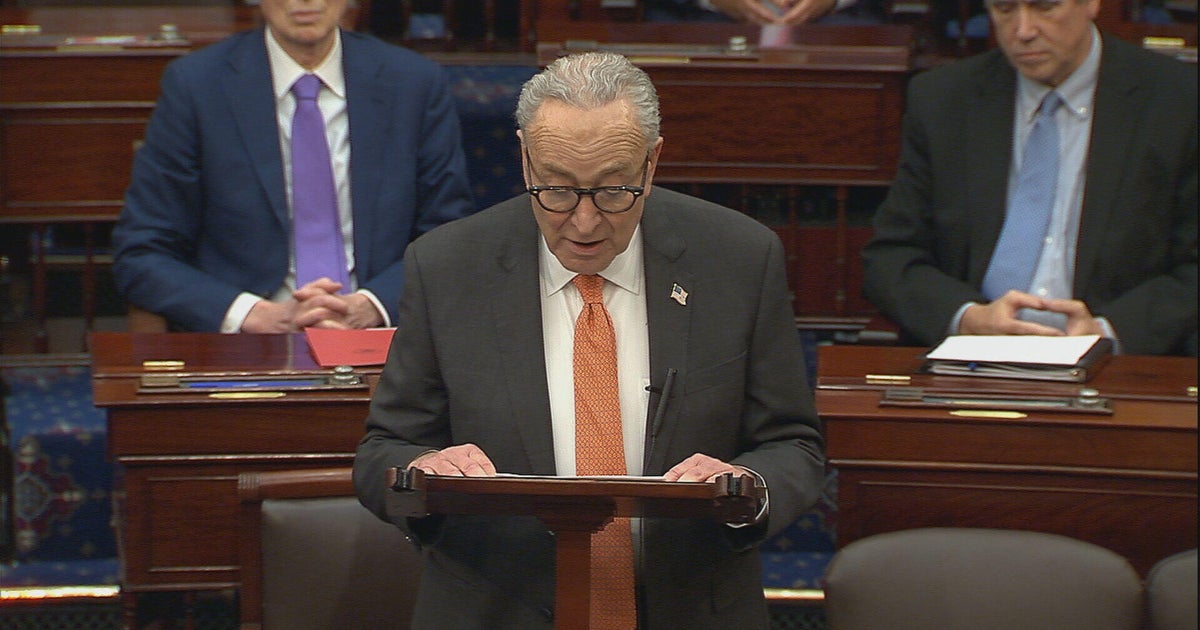
CBS News’ live format emphasizes real-time Senate maneuvering and immediate fallout from the failed offer. The piece frames the ACA extension as Democrats’ attempt to attach a tangible benefit to a reopening path. It stresses the political optics of Republicans rejecting a health care sweetener during a prolonged stoppage. The live blog lens suggests a fluid situation with quick procedural swings and whip counting in the background.
Democratic leader offers deal to reopen government but Republicans sneer

CNBC highlights market and policy stakes, underscoring how the ACA subsidy extension intersects with fiscal expectations. The report presents GOP resistance as skepticism toward policy riders on emergency funding. It signals that Democrats chose a popular, pocketbook-friendly offer to reframe blame. The tone implies investors are watching for a clean path to reopen that avoids entangling partisan side fights.
Thune says 'wheels came off' as Republicans mull next shutdown move
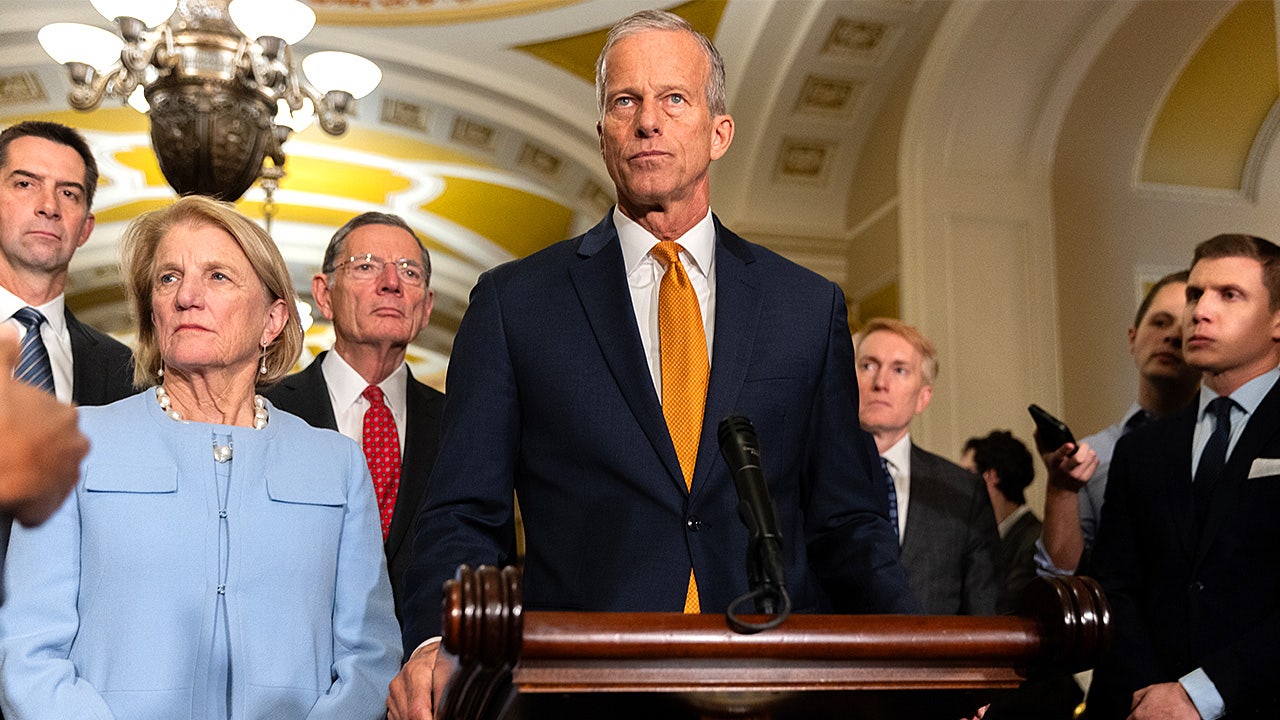
Fox News foregrounds GOP strategy, quoting Sen. John Thune on internal recalibration as talks sputter. The piece casts the ACA offer as political theater and centers Republican calls for a funding bill without Democratic policy asks. It spotlights the pressure to present a united GOP plan for sequencing votes and deadlines. The narrative suggests the shutdown’s duration is beginning to shape Republican process decisions as much as policy aims.
Democrats offer to end shutdown for one-year health care subsidy extension

The Washington Post details the mechanics of the ACA subsidy extension and how it would be coupled to a short-term funding bill. It emphasizes enrollment and premium impacts, translating political bargaining into household consequences. The analysis frames the offer as a bid to claim the practical, kitchen-table high ground. It also notes the procedural barriers and the need for a timeline that avoids future funding cliffs.
Republicans set to reject Democrats’ proposal to end longest shutdown in US history
The Guardian leans into the historic scale of the stoppage, situating the ACA gambit within a wider narrative of polarized governance. It portrays Republicans as poised to reject, stressing the symbolic stakes of turning down a health care boost. The outlet links congressional gridlock to public fatigue and service disruptions. It underscores how narrative framing—"longest ever"—intensifies pressure on leadership.
Thune says extended shutdown means Senate needs to shift date on funding government
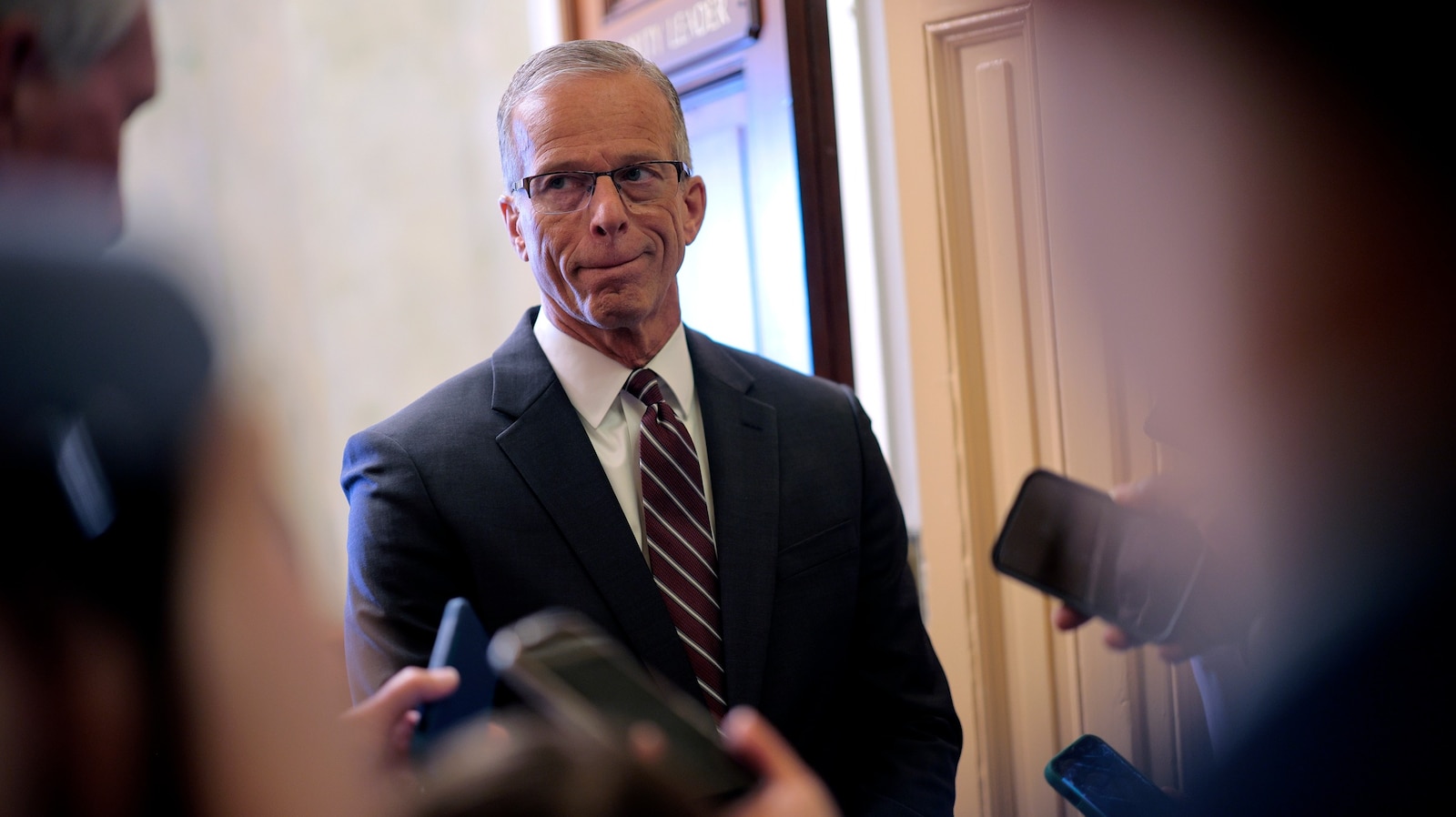
ABC News tracks calendar management as a central Senate tactic. It signals that even before the ACA offer, GOP leaders were eyeing revised funding dates to manage floor time and messaging. The piece shows how deadlines shape coalition-building more than any single policy rider. It foreshadows that timing—more than substance—could decide whether either side claims momentum.
Government shutdown could become longest ever as Trump says he ‘won’t be extorted’ by Democrats
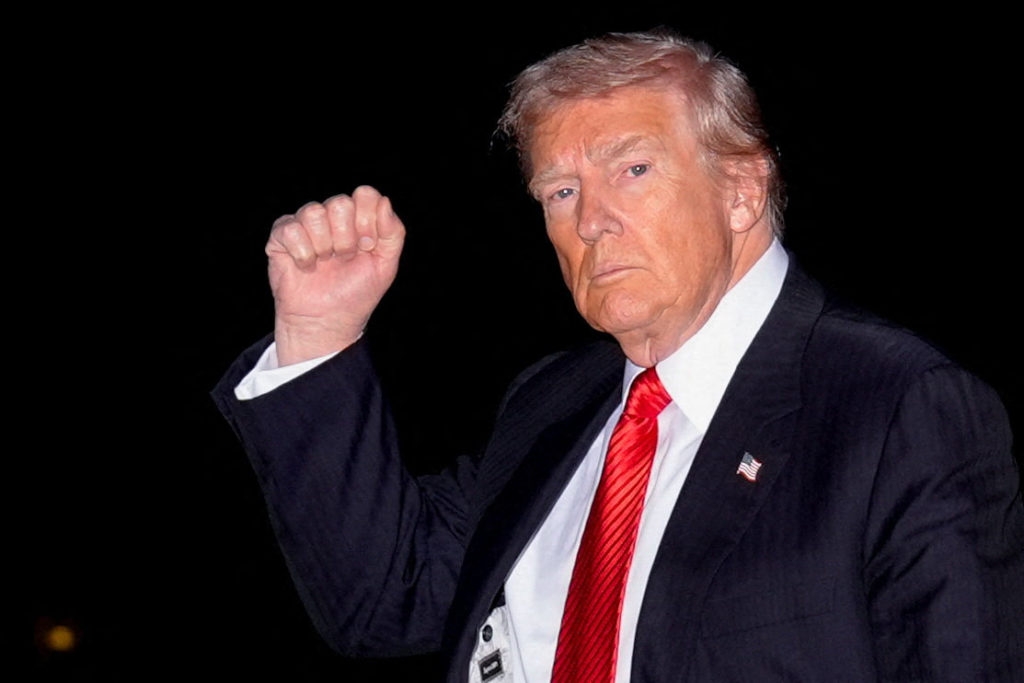
PBS elevates the presidential posture as a key constraint on Senate negotiations. By quoting a refusal to be “extorted,” the piece frames incentives for Republicans to avoid appearing to concede on policy. It suggests external political messaging tightens the negotiating space around a clean CR versus policy trade. It also hints at the communication battle shaping public blame assignments.
Dems block GOP bill ensuring federal worker, military paychecks continue during shutdown
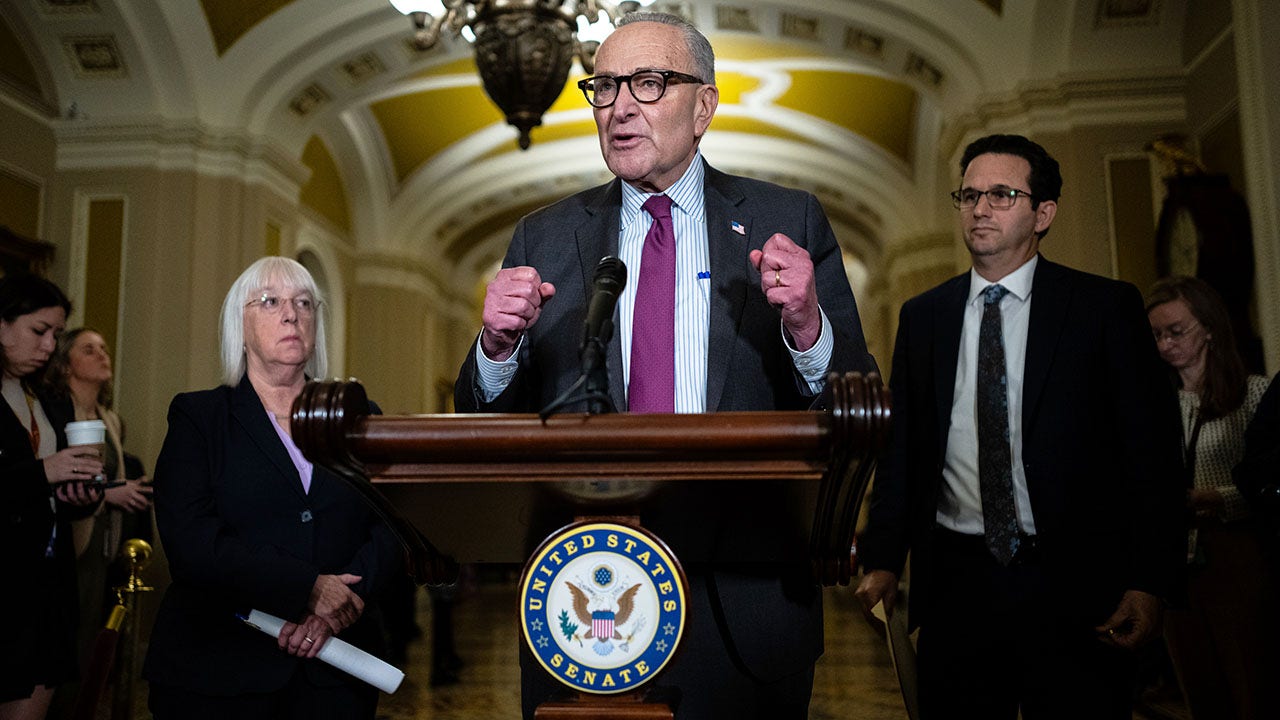
This report centers the GOP narrative on worker pay, arguing Democrats are standing in the way of immediate relief. It positions the ACA-linked offer as political while a pay bill is practical. The angle sharpens a messaging contrast: targeted relief versus comprehensive reopening paired with policy. It illustrates how each side selects vehicles that highlight the other’s perceived priorities.
GOP senators blast Michigan's Gary Peters for blocking bill to pay federal workers

A state-focused lens shows how the shutdown debate filters down to individual senators and home-state coverage. By spotlighting Sen. Gary Peters, this piece personalizes accountability and electoral stakes. It demonstrates how local outlets amplify partisan blame frames for regional audiences. The story hints that constituent pressure may drive tactical shifts faster than leadership edicts.
US Senate Rejects Bill to Restore Federal Worker Pay, Remains at Odds Over Shutdown

This summary captures a Senate that rejected a worker-pay bill while remaining divided on a reopening framework. It underlines a theme recurring across outlets: every side-by-side vote sharpens talking points but not solutions. The piece treats the impasse as institutional rather than purely partisan, pointing to rules, sequencing, and leverage. It implies momentum will hinge on leaders aligning calendar, content, and communications.
Summary / Insights
Big picture: Democrats tested whether a popular health care extension could unlock a shutdown deal; Republicans rejected it as a policy rider. Across outlets, three threads recur: calendar control (deadlines and vote sequencing), narrative control (who’s to blame for pain), and policy control (what, if anything, rides on a stopgap).
What changes next: If leadership consolidates around a clean continuing resolution with a short fuse and clear talks schedule, pressure could ease. If not, expect more targeted bills (worker pay, agency carve-outs) and intensified messaging wars. Either way, long-term appropriations talks must surface sooner to prevent repeat brinkmanship.
Risk factors: worsening service interruptions, morale hits among federal workers, and collateral economic uncertainty. Health policy remains a potent bargaining chip—but one that can harden positions if introduced too late in the process.
TL;DR
Senate Democrats offered a one-year ACA subsidy extension to reopen the government. Republicans balked, favoring a clean bill or alternative sequencing. With worker-pay bills also failing, the path forward likely runs through a short, clean CR aligned to a concrete talks timeline.

Resources
Sources and references cited in this article.