
The Supreme Court's Pivotal Role in Shaping Presidential Powers
The U.S. Supreme Court is at the center of a significant legal battle that could redefine the scope of presidential authority and the independence of federal agencies. The Court's decision to hear a case involving former President Trump's attempt to dismiss an FTC commissioner at will is drawing considerable attention. This trend digest explores the implications of this case, its historical context, and the diverse perspectives shaping the discourse.
Supreme Court to hear case that could vastly expand presidential powers

The Supreme Court's decision to consider a case that questions the limits of presidential powers has sparked widespread debate. The case involves Trump's attempt to unilaterally dismiss a Federal Trade Commission (FTC) commissioner, challenging the current constraints on executive authority. This case could potentially dismantle the established understanding of the unitary executive theory, which posits that the president holds control over the entire executive branch. The outcome of this case could have far-reaching implications for the balance of power between the presidency and independent federal agencies.
SCOTUS takes up Trump’s bid to fire FTC commissioner at will — a showdown that could topple 90-year precedent
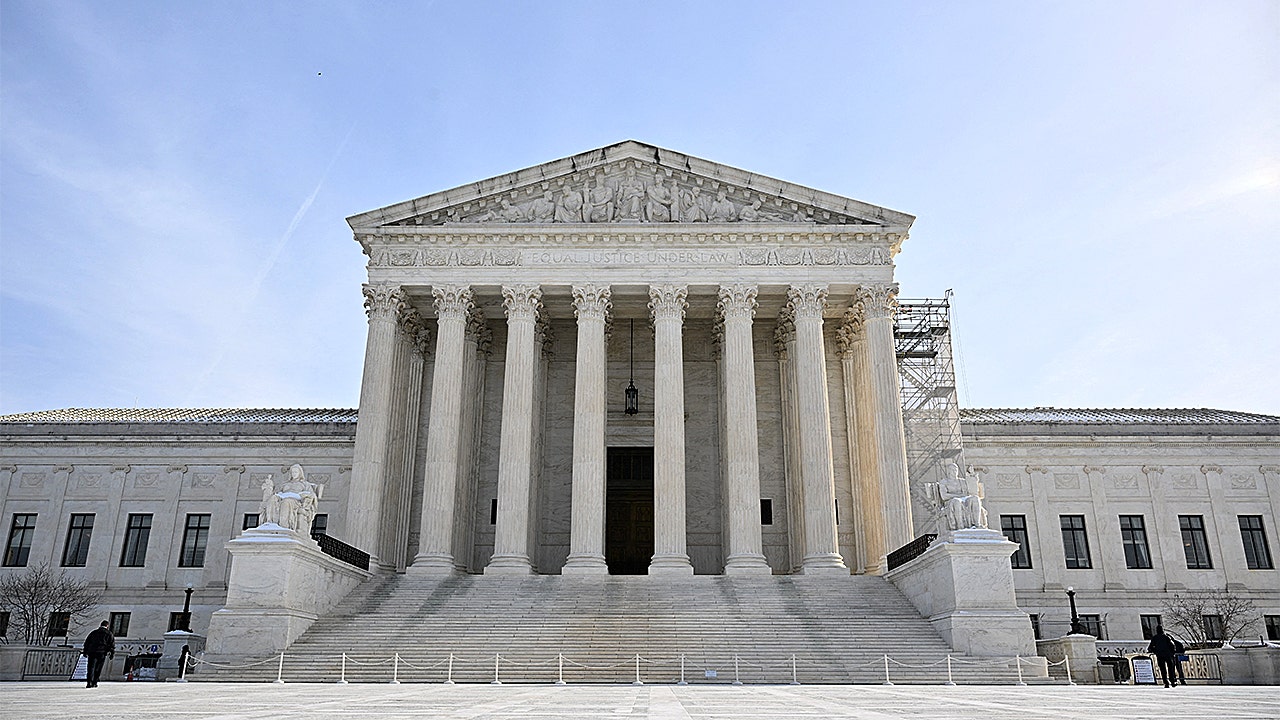
Fox News highlights the potential overturning of a long-standing precedent as the Supreme Court deliberates on Trump's authority to remove FTC commissioners. The case challenges the foundations laid by the 1935 Humphrey's Executor decision, which established protections for certain independent agency officials against arbitrary dismissal by the president. This legal battle is seen as a critical test of the boundaries of executive power and could redefine the structure and autonomy of federal regulatory bodies.
In landmark case, Supreme Court to rule on Trump's bid to control independent agencies
ABC News discusses the potential ramifications of the Supreme Court's decision on Trump's effort to assert greater control over independent agencies. The case is poised to address fundamental questions about the separation of powers and the president's role in overseeing federal agencies. Legal experts are closely watching this case, as it could establish new legal precedents that impact the governance of regulatory bodies and the scope of executive influence.
Supreme Court to reconsider a 90-year-old unanimous ruling that limits presidential power
Fortune provides a historical perspective on the Supreme Court's upcoming review of a nearly century-old decision, Humphrey's Executor, which restricts presidential authority over independent agencies. This case could redefine the boundaries of executive power, with potential consequences for the autonomy of federal agencies. Observers note that the Court's ruling could recalibrate the balance of power within the U.S. government, affecting how future administrations interact with independent regulatory bodies.
Trump's battle with independent agencies is back at the Supreme Court

NBC News focuses on the broader context of Trump's legal battles with independent agencies, highlighting the tensions between the executive branch and regulatory bodies. The Supreme Court's decision to revisit this issue underscores the ongoing debates about the president's ability to exert control over independent commissions. This case serves as a litmus test for the durability of legal precedents that safeguard agency independence from presidential influence.
The biggest loser in this Supreme Court is Congress

Vox offers a critical analysis of the potential implications for legislative power if the Supreme Court sides with expanding presidential control over independent agencies. The article argues that a ruling in favor of Trump could weaken Congress's role in overseeing federal agencies and diminish legislative checks on executive power. This perspective highlights the broader constitutional stakes involved in the case, emphasizing the intricate balance between the branches of government.
Trump fired this regulator. She’s fighting him to the Supreme Court.

The Washington Post explores the personal and professional dimensions of the case, focusing on the FTC commissioner at the heart of the legal battle. This article provides insight into the individual stakes involved, illustrating the human impact of legal proceedings that could alter the fabric of federal governance. The commissioner's fight against her dismissal underscores the tension between personal agency and institutional authority in the realms of law and politics.
Summary / Insights
The Supreme Court's consideration of this case marks a pivotal moment in the ongoing debate over presidential powers and the independence of federal agencies. The case's outcome may redefine the separation of powers, impacting the balance between executive authority and legislative oversight. As the Court deliberates, the nation watches closely, aware that the implications extend beyond legal doctrines to the core of governance in the United States.

Resources
Sources and references cited in this article.