
U.S. Government Shutdown Deepens as Senate Deadlock Persists and Supreme Court Intervenes on SNAP Funding
As the United States enters its 38th day of a government shutdown, tensions between Democrats and Republicans in the Senate have escalated sharply. Lawmakers are preparing to work through the weekend to avert further disruption, while the Supreme Court has stepped into the crisis with an emergency order affecting food assistance programs. This digest traces how the shutdown unfolded, what’s at stake, and how each branch of government is now entangled in the political standoff.
Main Topic Overview
The 2025 shutdown — now the longest in U.S. history — stems from a dispute over healthcare funding tied to the Affordable Care Act (ACA) and provisions sought by former President Trump’s allies. Negotiations between Senate leaders Chuck Schumer and John Thune have stalled repeatedly, with each side accusing the other of holding the economy hostage for political leverage. The ripple effects are growing: millions of federal workers remain unpaid, national parks and services have been shuttered, and the Supplemental Nutrition Assistance Program (SNAP) faces unprecedented uncertainty following a high-stakes Supreme Court decision.
News Coverage
Senators to work through the weekend on shutdown as Republicans and Democrats are still far apart

The Washington Post reports that Senate leaders plan to keep the chamber in session through the weekend after Friday’s failed attempt at compromise. The article highlights the growing frustration among moderates as negotiations remain gridlocked. Schumer emphasized the urgency of funding essential services, while Republican leaders insist on policy concessions related to the ACA. The piece paints a picture of a legislature under extreme strain, where procedural hurdles and political calculation now dominate over pragmatic governance.
Senate Republicans reject Democrat deal to reopen government

CNBC details how Senate Republicans rejected a Democratic proposal that aimed to temporarily reopen the government while negotiations continued. The GOP argued that the bill failed to address critical spending reforms, especially regarding ACA subsidies. Analysts note the influence of Trump-aligned factions pushing for a “hard line” approach, while Democrats framed the rejection as evidence of partisan brinkmanship undermining national stability.
Government shutdown updates: GOP decries Dems' shutdown offer, weekend votes unclear
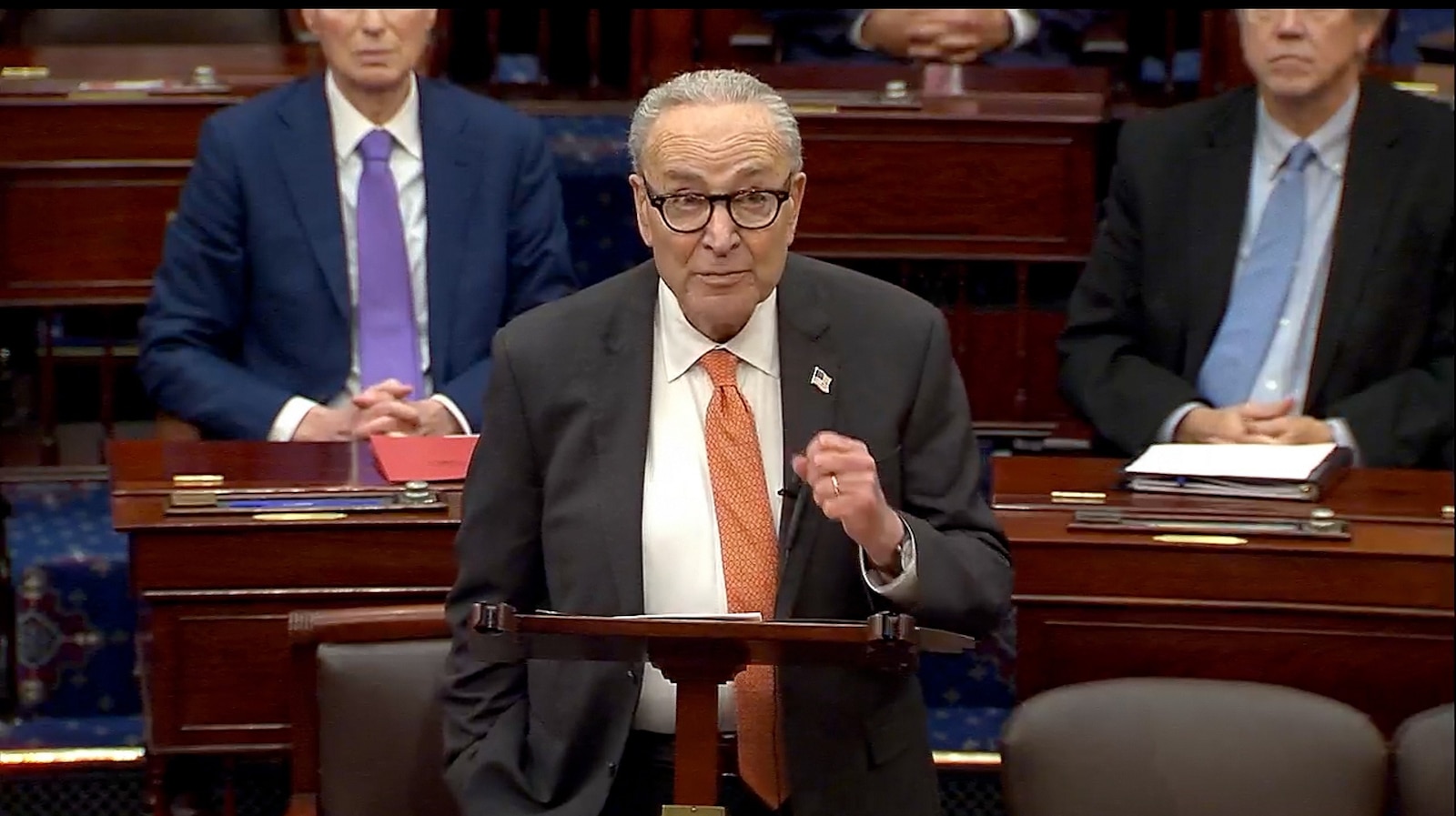
ABC News’ live coverage captures real-time reactions on Capitol Hill as Democrats proposed a scaled-back funding plan that Republicans swiftly dismissed. The network emphasizes the unpredictability of weekend votes, given deep divisions over how to link social programs with fiscal controls. The outlet also notes growing public fatigue as the shutdown’s economic toll mounts — particularly for low-income Americans and contractors dependent on federal pay cycles.
Thune says 'wheels came off' as Republicans mull next shutdown move
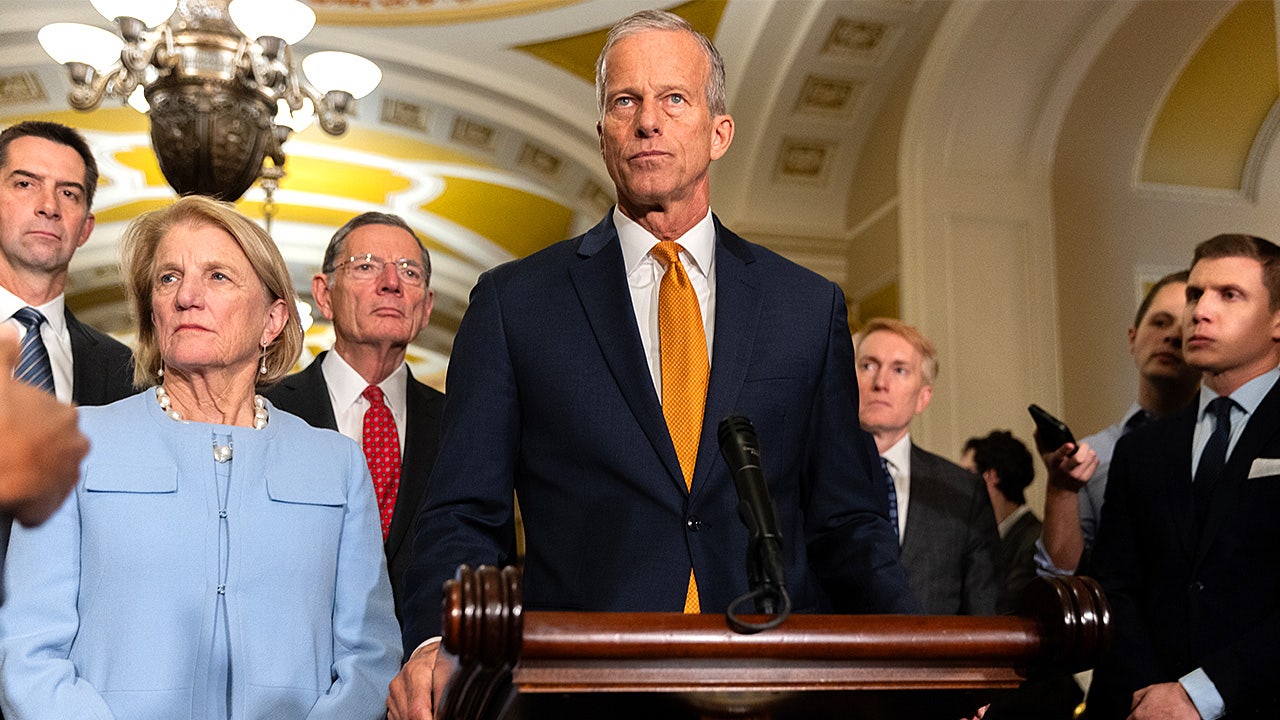
Fox News quotes Republican Whip John Thune describing the negotiations as having “gone off the rails.” The coverage centers on internal GOP debates about strategy — whether to pursue a piecemeal funding approach or maintain a unified stance to secure policy demands. Thune’s candid remarks reflect a growing recognition within the party that the standoff could politically backfire if prolonged, especially amid rising voter frustration in key swing states.
Republicans reject Democrats’ proposal to end longest shutdown in US history

The Guardian frames the stalemate as emblematic of deep systemic dysfunction. The piece notes that the shutdown has surpassed the 2019 record, underscoring its toll on public trust and social cohesion. Citing bipartisan frustration, the report highlights how ordinary citizens — from TSA agents to SNAP recipients — are caught in a political deadlock with no end in sight.
Supreme Court issues emergency order to block full SNAP food aid payments
AP News reports that the Supreme Court granted an emergency request from the Trump-aligned Justice Department to pause a lower court ruling that had ordered full SNAP payments for November. The decision, split 5–4, effectively restricts benefits for millions of low-income families while the government remains partially closed. Legal analysts called the move extraordinary, marking direct judicial involvement in fiscal policy amid a national shutdown.
USDA will fund SNAP food benefits, feeding millions of Americans
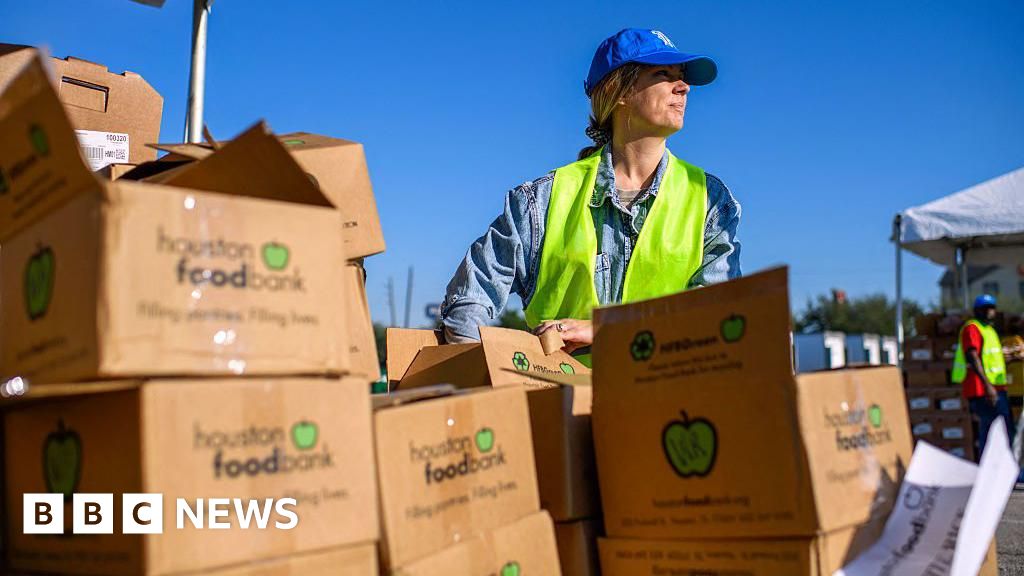
The BBC provides a more optimistic counterpoint, confirming that the USDA secured temporary authority to fund critical food assistance. This stopgap measure ensures millions of Americans will still receive benefits, even as Congress struggles to resolve funding disputes. The report underscores the federal government’s balancing act: maintaining essential welfare amid political paralysis.
Summary / Insights
Themes: The crisis intertwines legislative gridlock with judicial intervention, highlighting how divided governance can threaten essential services. Angles: Coverage from liberal and conservative outlets reveals stark narrative divides — with Democrats emphasizing humanitarian costs and Republicans focusing on fiscal discipline. Likely outcomes: A temporary compromise may emerge within days, but lasting damage to institutional trust appears inevitable.
TL;DR
The U.S. government shutdown has entered record-breaking territory, with the Senate deadlocked and the Supreme Court now weighing in on food aid. Millions remain in limbo as political infighting overshadows solutions.

Internal link: none yet

Resources
Sources and references cited in this article.