
U.S. Shutdown Standoff: ACA Subsidies at the Center as Senate Deadlock Deepens
- Frame the central dispute and why it matters now.
- Lay out a clear, date-stamped timeline of key moves.
- Analyze each major news item in depth and in context.
- Connect ACA tax-credit politics to the broader shutdown dynamics.
- Synthesize scenarios for how the impasse could break.
The United States faces one of its most protracted government shutdowns in modern history. On Day 38, Senate negotiations hinge on whether extending Affordable Care Act (ACA) premium tax credits for one year can serve as a bridge to reopen agencies. Democrats, led by Sen. Chuck Schumer, are promoting the extension as a pragmatic offramp; Republicans argue it is a political ask unrelated to core spending. This digest clarifies the stakes, traces the latest moves, and critiques how the media is framing the endgame.
Main Topic Overview
At issue is whether a temporary policy trade—an ACA tax-credit extension—can unlock votes to restore funding. Democrats say the proposal shields millions from premium spikes and offers a neutral path to restart government. Republicans counter that tying healthcare subsidies to a funding bill amounts to leverage politics, and some prefer broader structural concessions instead. With the House and Senate messaging to different audiences and 2026 races on the horizon, the shutdown has become a referendum on negotiating tactics as much as on policy substance.
News Coverage
Republicans set to reject Democrats’ proposal to end longest shutdown in US history
The report positions the Democratic offer as a serious but insufficient attempt to end the standoff, noting immediate Republican resistance. It frames the moment as historically significant, emphasizing the “longest shutdown” label to heighten urgency. The coverage suggests Democrats’ calculus: pair reopening with an ACA sweetener that polls well. Yet it underscores that GOP leaders see this as a misaligned incentive, hardening rather than softening opposition.
Schumer, Dems unveil alternative shutdown plan, ask for 1-year extension to Obamacare subsidies
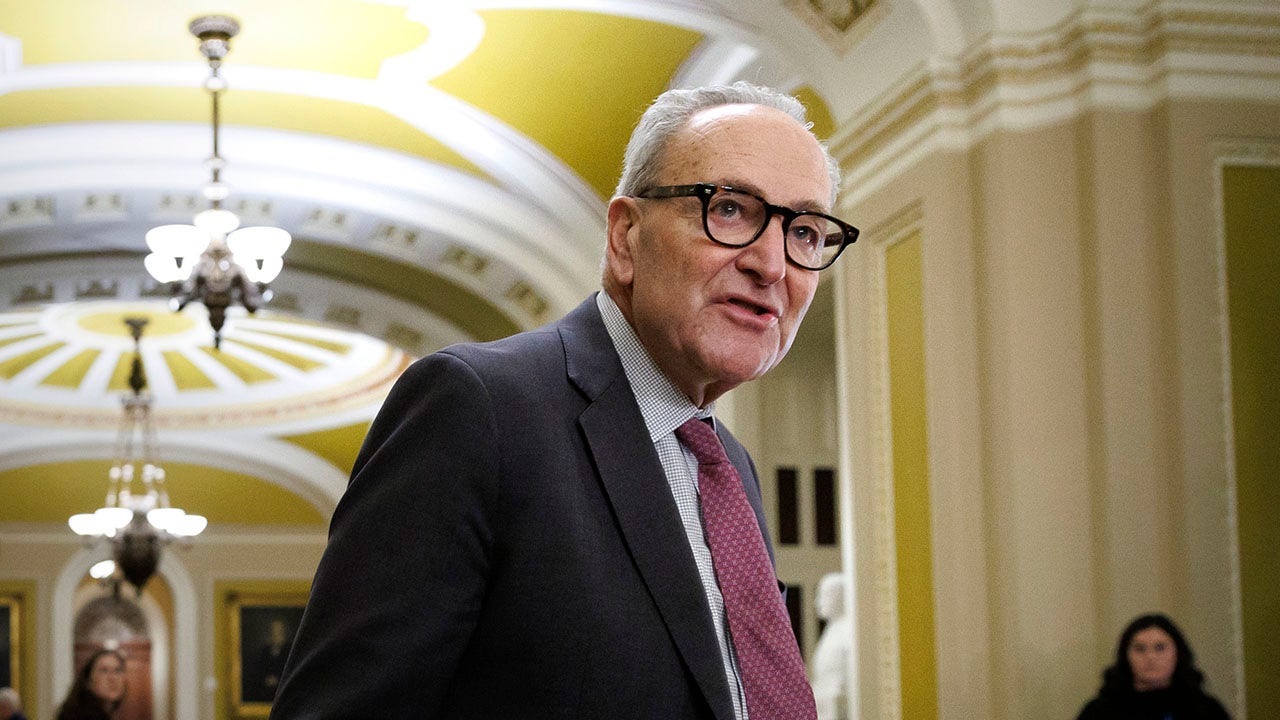
This piece highlights Republican skepticism and frames the ACA extension as a Democratic priority rather than a bipartisan bridge. It foregrounds conservative critiques that subsidies entrench federal health spending. The article’s tone signals that the offer may complicate negotiations by adding policy riders to a funding dispute. In doing so, it reflects a larger narrative: each side accuses the other of moving goalposts while the shutdown drags on.
Government shutdown live updates as Senate Republicans reject Democrats' health care offer
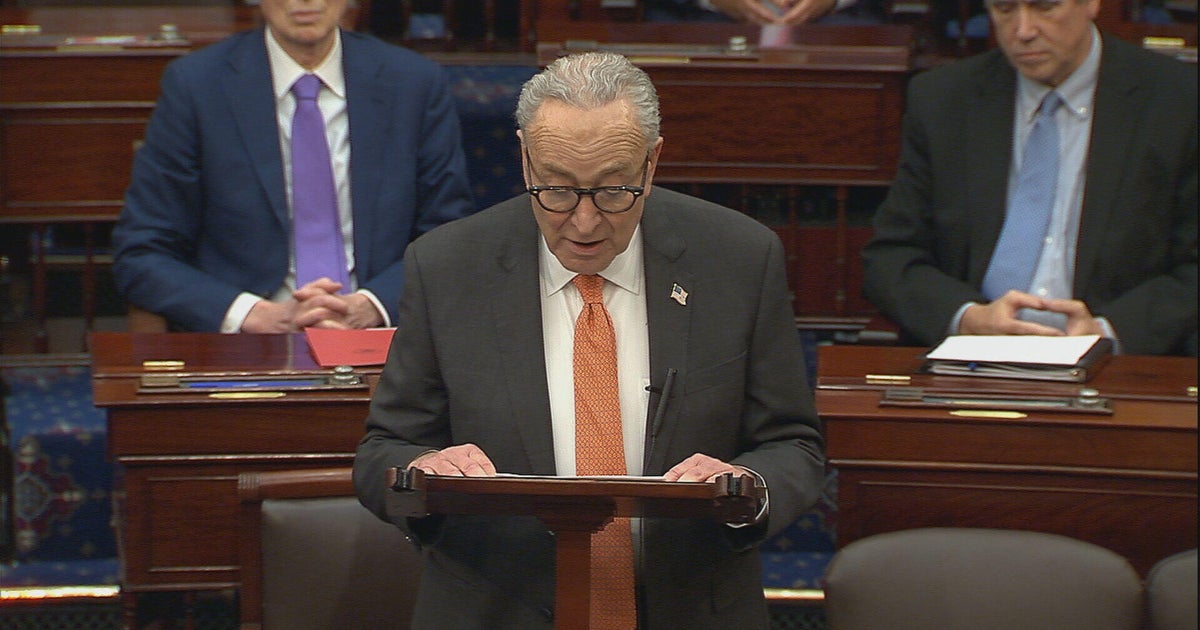
The live blog format tracks whip counts and procedural maneuvers in real time, underscoring how fast messaging shifts in a stalemate. It documents Republicans coalescing around a rejection of the health-care-linked offramp. The coverage contextualizes the calendar pressure—missed paychecks, closed services—and how both parties weigh public blame. By juxtaposing floor statements with negotiations, it shows how public posture can diverge from private bargaining.
Democratic leader offers deal to reopen government but Republicans sneer

CNBC’s treatment emphasizes market and policy risk: protracted shutdowns dampen confidence and delay rulemaking. The story presents Schumer’s proposal as a tactical bid to shift headlines and pressure moderates. It notes GOP dismissal—“sneer”—capturing the combative mood. The piece also hints that any agreement will likely require a broader framework, not a single-policy swap, to pass both chambers.
Thune says extended shutdown means Senate needs to shift date on funding government
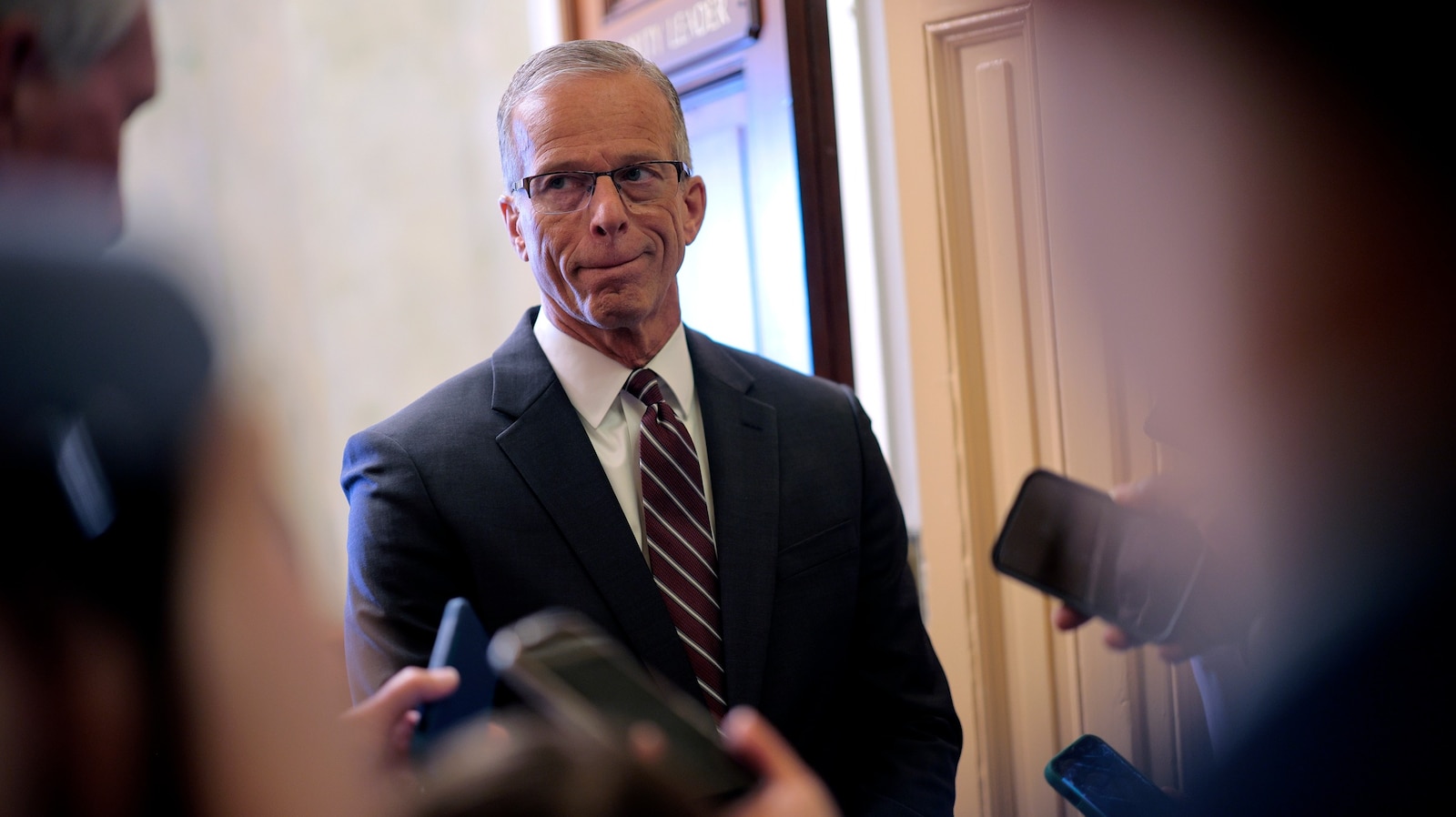
ABC reports on schedule mechanics—how leadership might move key votes or deadlines as the shutdown stretches. Minority Leader John Thune’s comments signal GOP awareness of calendar fatigue and procedural flexibility. The piece frames date-shifting as both a pressure valve and a risk, since longer timelines can harden positions. Strategically, it foreshadows a pivot from immediate reopen plans to contingency funding windows.
Government shutdown could become longest ever as Trump says he 'won't be extorted' by Democrats
AP centers former President Trump’s role in shaping Republican resolve, quoting his rejection of perceived leverage. The piece underscores how external influencers can narrow negotiators’ room for compromise. It contextualizes the “longest ever” threshold as a symbolic milestone that reframes political risk. The reporting suggests that as rhetoric sharpens, any near-term bridge must allow both parties to claim principle rather than concession.
Rand Paul: Republicans shouldn't cave on Obamacare subsidies. I have another plan.

This opinion piece crystallizes conservative resistance: subsidies, in this view, are leverage that should be traded for reforms, not accepted as status quo. It outlines an alternative plan, signaling intra-GOP policy preferences beyond a simple “no.” The op-ed’s prominence matters politically, giving cover to lawmakers wary of a healthcare sweetener. It illustrates how editorial voices can harden caucus lines during negotiations.
Democrats hold the government hostage over subsidies Americans don’t want
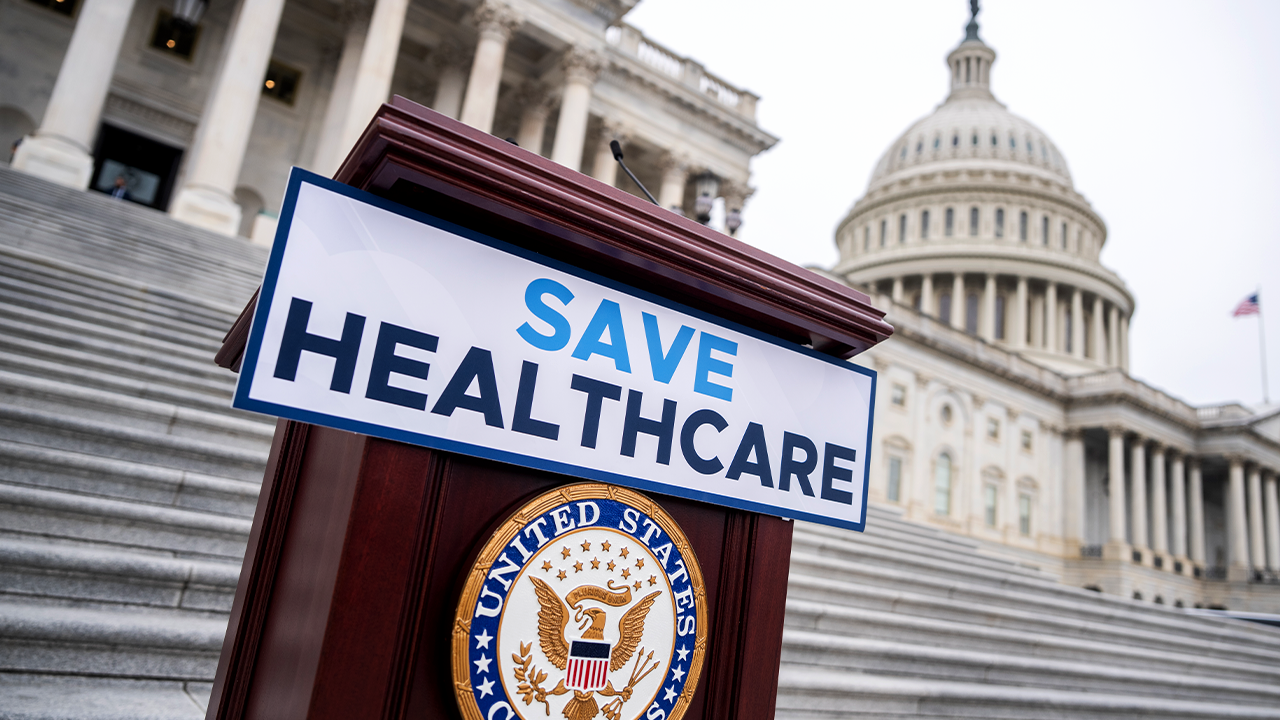
This opinion framing characterizes the Democratic proposal as hostage-taking, asserting public opposition to subsidies. The argument taps into spending-fatigue sentiment, portraying ACA support as partisan entrenchment. Politically, the narrative applies pressure on swing Republicans to resist any subsidy-linked deal. It also raises the bar for compromise, since accepting the extension could be recast as capitulation.
Lawmakers weigh ACA tax credit extension in bid to end government shutdown
Scripps provides a policy-forward explainer: who benefits from the ACA credits, how much premiums could rise absent action, and the legislative vehicles available. It highlights the proposal’s potential as a face-saving compromise for moderates in both parties. The piece also notes the budget score and sunset mechanics, practical details that often determine viability. As such, it enriches understanding beyond the headline conflict.
End the shutdown? That’ll point Congress back to Obamacare’s rising costs.
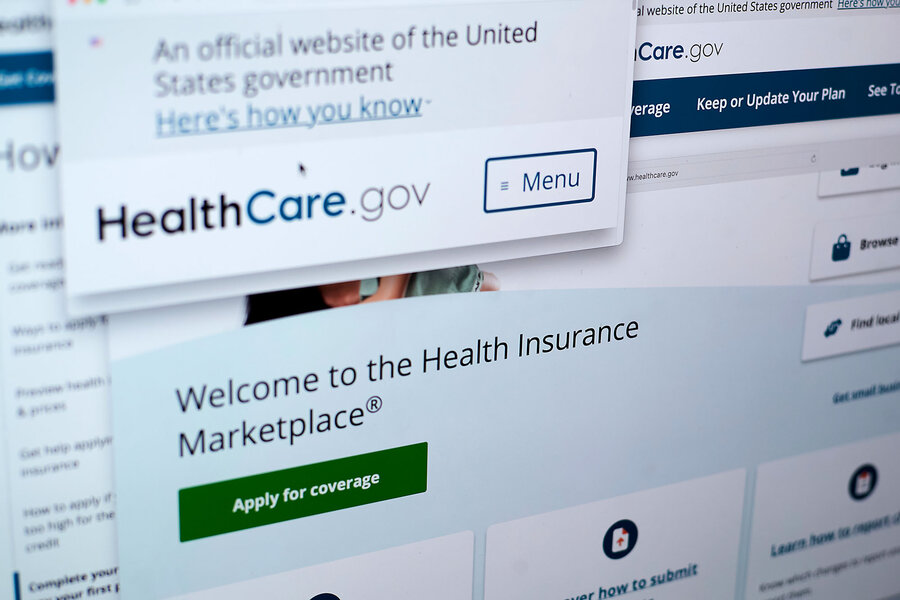
This analysis argues that even if a deal emerges, cost debates over the ACA will immediately resurface. It positions subsidies as a temporary shield against structural pricing pressures. The outlet’s sober tone anticipates oversight hearings and budget scrubs once agencies reopen. That forward-looking lens is key: it reframes the shutdown not as an endpoint but as a prelude to the next health-policy fight.
Summary / Insights
Timeline & Momentum: Early-week signals (ABC, AP) flagged schedule slippage and hardened rhetoric, foreshadowing a record-length impasse. By Friday, Democrats formalized the ACA-credit offer; Republicans publicly rejected it as a partisan add-on.
What’s Driving Each Side: Democrats view the credits as consumer protection that polls well and provides a policy win for reopening. Republicans fear normalizing add-ons to CRs and want broader fiscal or border concessions instead; conservative voices are shaping that guardrail.
Deal Pathways: The most plausible outcome is a narrow continuing resolution with face-saving language—potentially delinking the ACA piece or pairing it with a GOP-favored offset. Failing that, leadership could pursue a longer calendar reset to relieve immediate pressure while talks continue.
What to Watch: Senate centrists’ statements, any House-Senate pre-conference signaling, and whether leadership shifts from single-issue trades to a multi-plank framework. Markets and public-service disruptions will raise the political cost of inaction.
TL;DR
Democrats floated a one-year ACA tax-credit extension to reopen government; Republicans rejected it as a partisan rider. Without a broader framework, the longest shutdown is likely to continue until leaders find a delinked or multi-issue compromise.
Internal link: none yet


Resources
Sources and references cited in this article.