
US Government Shutdown Trend Digest: What’s at Stake and Where Things Stand
The federal government shutdown in the United States has become a pressing story in Washington, D.C. and across the country. In this digest, we’ll walk through what’s happening, why it matters, how the media is covering the developments, and what to keep an eye on next. Whether you’re following this for politics, legal impact or everyday effects – this article lays it out clearly.
Main Topic Overview
The term “government shutdown” refers to the lapse in federal funding, causing non-essential operations to halt until Congress passes a funding bill or extension. In the current episode, the shutdown has broken records and triggered ripple effects across federal programs, social services and the economy. This isn’t just about budget lines: it’s about how the legislative gridlock, political manoeuvres and administrative decisions combine into real-world consequences.
The key players include the Senate leadership (among them Chuck Schumer), the House, the executive branch (including Donald Trump-linked administration), and various federal agencies like the United States Department of Agriculture (USDA). We’ll see how negotiations, deadlines and legal manoeuvres are all intertwined in this story.
News Coverage
Government shutdown live updates as Thune plans Senate vote amid rare Sunday session
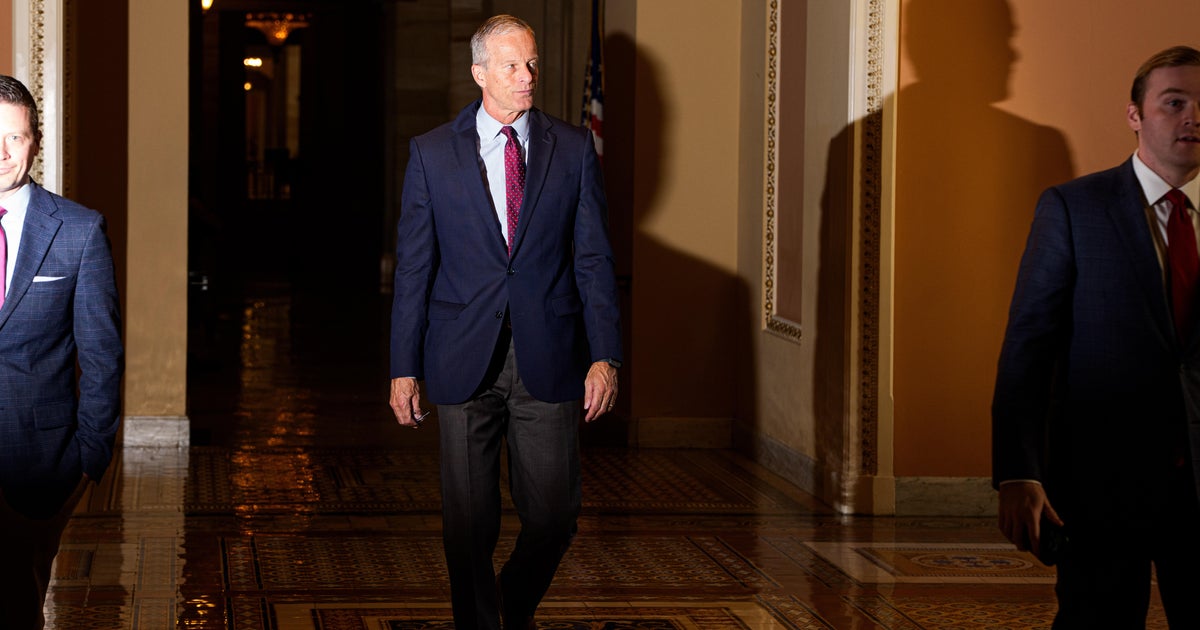
This live-update article captures a moment when the Senate was convening on a Sunday — unusual for standard legislative business — to vote on a measure tied to reopening federal funding. The reference to Senator John Thune underscores Republican efforts to move a resolution forward amid mounting pressure. The urgency is visible: negotiators are under a weekend timeline, suggesting they believe the situation is nearing a potential pivot point. It highlights both the procedural drama in the Senate and the political stakes for both parties.
Deal to reopen government starts to come together in Senate

This article reports that a bipartisan deal may be forming in the Senate to end the shutdown. It suggests that behind-the-scenes negotiations are progressing, possibly uniting enough members to pass the required funding resolution. The existence of such a deal signals that the political calculus is shifting — members may anticipate that the longer this goes on, the greater the political risk. It emphasizes process-over-policy: we’re seeing the mechanics of compromise more than the full policy details yet.
The government shutdown is now the longest in U.S. history. See how it compares

This piece provides critical context: the shutdown has now exceeded previous records for length, hinting at unusual scale and severity. It offers historical comparison — how far current gridlock has pushed the system beyond precedent. This amplifies the story’s significance: it’s not business as usual, and the consequences may be greater because institutions are being strained. The framing shows that this is a landmark event, not a routine hiccup.
Some senators predict the government shutdown, now the longest in history, could end this week
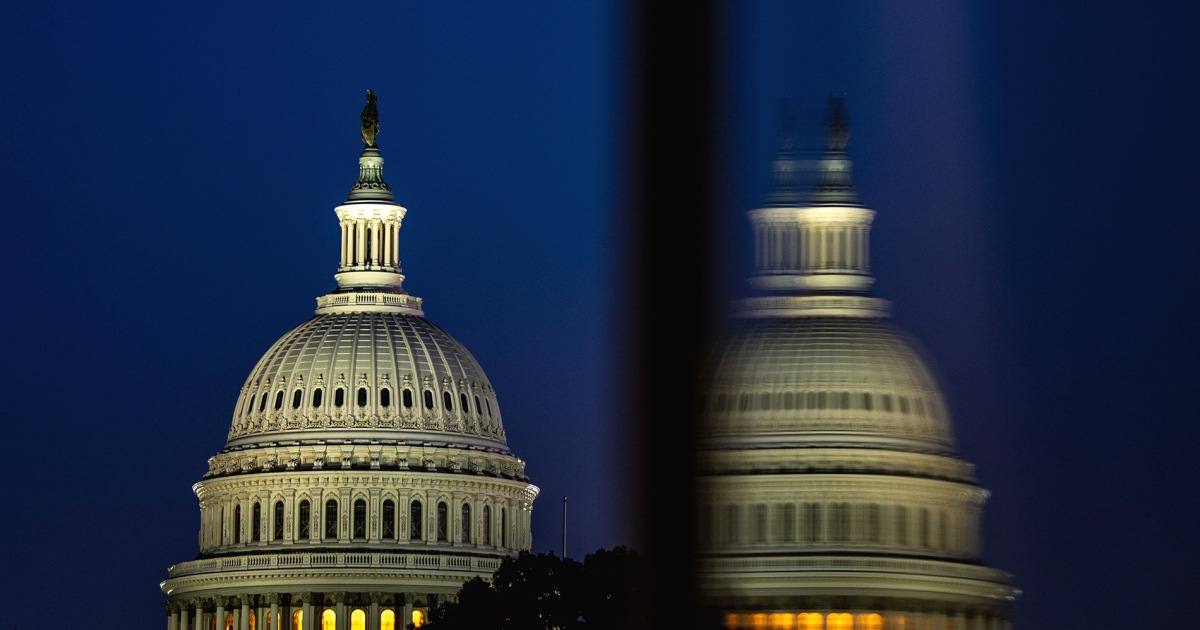
Here we see senators offering hopeful timelines for resolution — signalling political fatigue and a desire to wrap this up. The language is cautious, though: “could end this week” rather than “will end”. That hedging reflects uncertainty. It also shows the media tracking not just what has happened, but what lawmakers expect will happen — and that expectation itself becomes part of the narrative.
Trump Live Updates: Airport and SNAP Benefit Disruptions Amid Government Shutdown

This update connects the shutdown to real‐life disruptions: airport operations, benefits for the needy via the Supplemental Nutrition Assistance Program (SNAP) and broader social service impacts. It underscores that the shutdown isn’t just procedural — it affects travel, food aid and households. It ties the high‐level political drama into everyday consequences for ordinary citizens.
USDA says states must 'undo' efforts to disburse full November SNAP benefits

This article documents a specific administrative action: the USDA directing states to reverse earlier steps taken to pay full SNAP benefits for November. That move adds complexity and shows how shutdowns can trigger retroactive changes and uncertainty in programs meant for vulnerable populations. The story deepens the narrative of consequences cascading into social-safety-net policy rather than just budget paperwork.
Supreme Court issues emergency order to block full SNAP food aid payments
The Supreme Court of the United States’s emergency order blocks full SNAP payments during the shutdown, embedding the judiciary into what might have seemed a legislative or executive-driven saga. It highlights how the shutdown’s reach extends into judicial intervention and food-aid policy. For affected families, the action means extra uncertainty; for observers, it means the shutdown is no longer purely about funding — it’s about rights, access and institutional checks.
Trump administration tells states to 'immediately undo' steps to fund November SNAP benefits

NPR reports the administration’s directive to states to reverse funding actions for SNAP benefits — a sign of high-stakes internal coordination. This directive came mid-shutdown and highlights how swiftly policy can change when funding lapses. It underscores the broader theme: the shutdown does not just halt activity, it reverses or delays programs and creates ripples in administrative operations.
Trump administration tells states to stop paying full Snap benefits
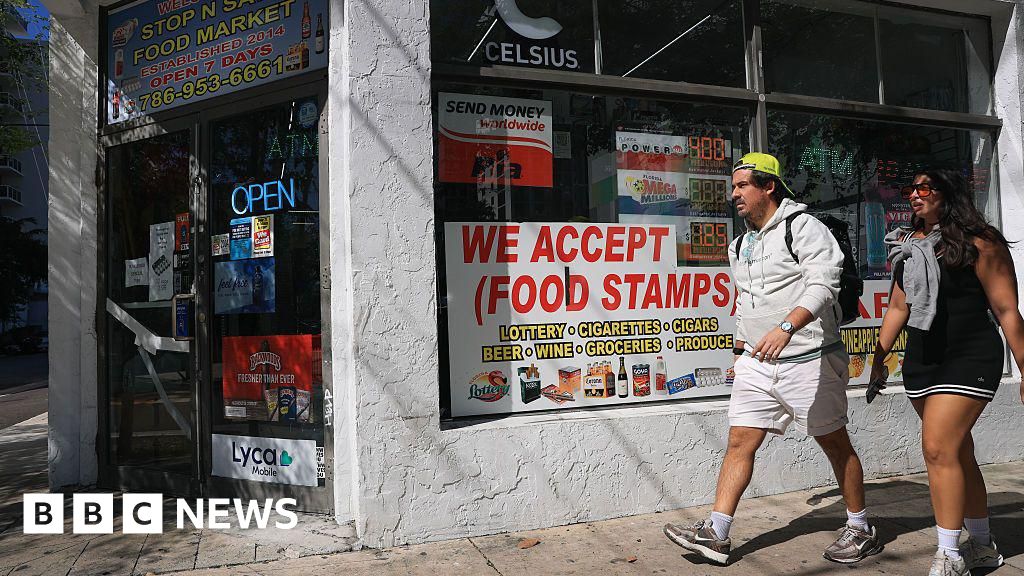
The BBC covers the same theme from an external-observer vantage point, reinforcing the narrative of major disruption. International outlets noting the SNAP halt indicate that the shutdown’s consequences are globally visible, not just domestically. The repetition across varied sources adds credibility to the significance of the policy shifts tied to funding failure.
US agriculture department tells states to ‘undo’ Snap benefits for families in need

The Guardian frames the USDA’s directive as a moral issue: families in need are being told to reverse or cancel benefit actions. The international angle emphasises that the shutdown has humanitarian dimensions — food aid and social safety nets directly affected. It places the story in a broader context of policy risk and vulnerable populations, not just political stalemate.
Summary / Insights
Several clear themes emerge from this coverage:
- Record-breaking duration: The shutdown has surpassed all previous ones in U.S. history, signalling an exceptional breakdown rather than routine gridlock. (NPR)
- Urgency in the Senate: With weekend sessions and votes scheduled for unusual times, the legislative branch is showing stress and accelerated procedures. (CBS News, Semafor)
- Real-world consequences: The disruption extends into airports, food assistance programs and administrative reversals — so the ripple effects are tangible. (NYT, NBC News, The Guardian)
- Policy reversal mid-shutdown: Directives to undo public-benefit payments show how shutdowns produce not just halts, but back-tracking and uncertainty for beneficiaries. (NBC News, NPR)
- Political and human story: While the political players (Senate, House, Administration) dominate the headlines, the outcomes touch everyday citizens—especially vulnerable populations reliant on federal programs.
Looking ahead, key questions include: Will a vote in the Senate successfully reopen the government this week? How will the political fallout affect control of future appropriations and public trust? What happens to the social programs caught in the limbo? If the shutdown extends further, we may see deeper economic and humanitarian consequences.
TL;DR
The U.S. government shutdown is now the longest in history, pushing the Senate into urgent weekend votes while everyday services—from airport travel to food aid—face major disruption. Negotiations show hope of resolution, but policy reversals and human impacts raise the stakes far beyond budget jargon.

Resources
Sources and references cited in this article.