
Utah's 'Pro-Human' AI Initiative and the Push for State Control Over AI Regulations
In a significant move, Utah Governor Spencer Cox recently announced a 'pro-human' AI initiative aimed at prioritizing human-centric artificial intelligence development. This announcement, made at the 2025 AI Summit, has sparked discussions among policymakers, tech experts, and the public about the role of state versus federal regulations in AI. This digest explores the unfolding narrative and the diverse perspectives surrounding this trend.
Main Topic Overview
The announcement of Utah's 'pro-human' AI initiative marks a pivotal point in the ongoing debate over artificial intelligence governance. Governor Cox, along with various stakeholders, advocates for state-level control over AI regulation, diverging from federal oversight. This approach underscores the importance of local values and priorities in shaping AI's impact. As Utah pushes for these changes, notable figures like actor Joseph Gordon-Levitt have voiced concerns about potential risks, highlighting the complexity of balancing innovation with ethical considerations.
News Coverage
Utah will push for ‘pro-human’ AI, Gov. Cox announces, as Trump backs ban on state regulations
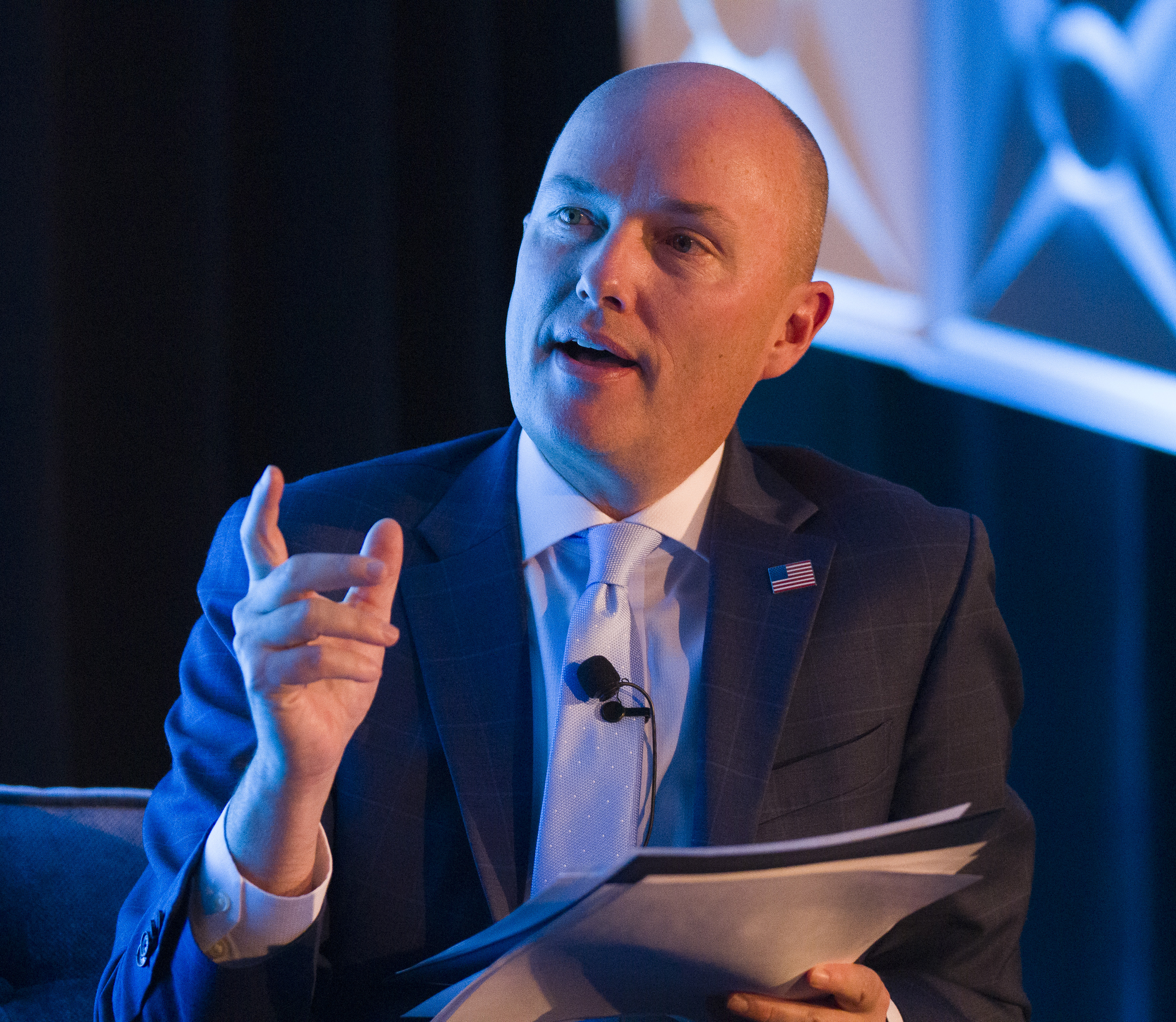
Governor Cox's declaration of a 'pro-human' AI initiative in Utah represents a bold step towards state autonomy in regulating artificial intelligence. This approach contrasts with former President Trump's stance, which favors a federal ban on state regulations. The tension between state and federal control is evident, emphasizing the ongoing struggle to balance technological advancement with governance that reflects local values.
Actor Joseph Gordon-Levitt warns against some AI uses at Utah summit
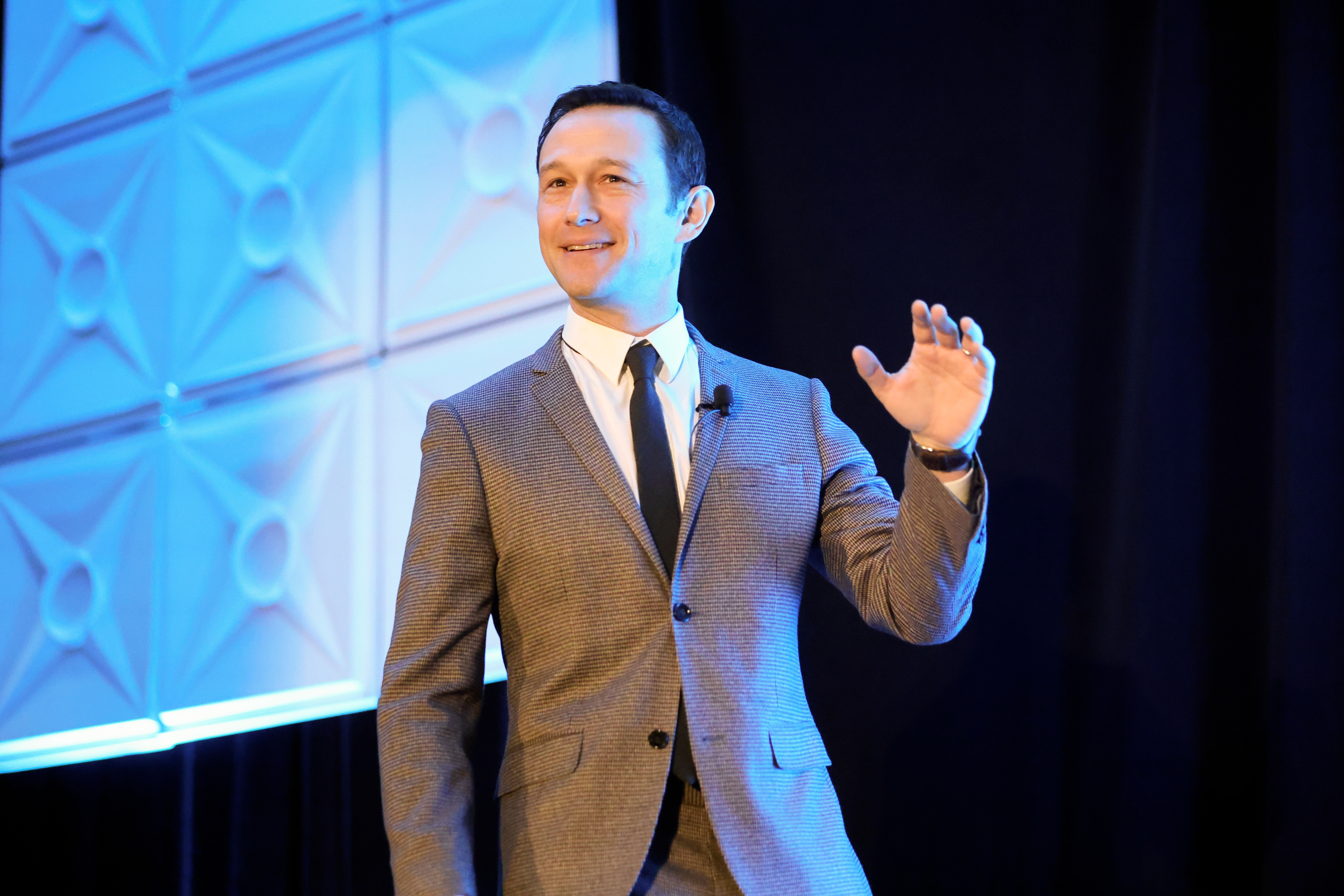
Addressing the 2025 AI Summit, actor Joseph Gordon-Levitt shared his apprehensions about certain AI applications. His comments highlight the ethical dilemmas posed by AI, particularly the risk of misuse. Gordon-Levitt's perspective enriches the conversation around Utah's pro-human AI initiative, urging stakeholders to consider the broader societal implications of AI technology.
Utah governor urges state control over AI rules

Governor Spencer Cox's advocacy for state-level AI regulation underscores a desire for more localized governance. By prioritizing state control, Cox aims to tailor AI policies to better align with Utah's unique values and priorities. This stance challenges the notion of a one-size-fits-all federal approach, sparking debate on the best path forward for AI governance in the United States.
Utah Gov. Spencer Cox says states should retain power to regulate AI

Governor Cox's remarks on the necessity of state autonomy in AI regulation highlight a critical discourse on governance. By advocating for state rights, Cox aligns with a broader movement emphasizing localized decision-making in technological advancements. This perspective is pivotal as states navigate the complexities of integrating AI into their sociopolitical landscapes, balancing innovation with ethical responsibility.
Summary / Insights
The narrative surrounding Utah's 'pro-human' AI initiative highlights a growing trend towards localized governance in technology. Governor Cox's push for state regulation reflects a desire to align AI developments with regional values and priorities. This movement resonates with public figures like Joseph Gordon-Levitt, who emphasize the ethical challenges AI presents. As states like Utah advocate for control, the debate over federal versus state oversight will likely intensify, potentially reshaping the landscape of AI governance in the United States.

Resources
Sources and references cited in this article.