
The U.S. men’s national team opens its 2026 World Cup campaign against Paraguay at SoFi Stadium in Los Angeles on Friday, with Gio Reyna among the players whose backgrounds are drawing fresh attention. The roster conversation has moved beyond tactics because several players either were born abroad, grew up across cultures, or chose the United States after another national path was possible. For U.S. fans, that makes this team not just a soccer story, but a very American one.
Reyna, born in Sunderland, England, and raised mostly in the United States after moving to New York at age five, sits near the center of that discussion. Multiple outlets have framed the USMNT as one of the clearest examples of how global family histories now shape American soccer at the World Cup.

The Full Story
Mauricio Pochettino’s U.S. squad begins against Paraguay in Los Angeles, then faces Australia before meeting Turkey later in the group stage. The schedule itself is straightforward: June 12 at SoFi Stadium, June 19 at Lumen Field in Seattle, and June 25 back at SoFi Stadium. The larger story is what the roster represents before the first whistle.
Several reports singled out Reyna because his path is unusually global even by modern soccer standards. He was born in Sunderland while his father, Claudio Reyna, was playing in England, later came through the New York City FC setup, and moved to Germany at 16 to join Borussia Dortmund. AOL’s breakdown says Reyna currently plays for Borussia Mönchengladbach after a brief loan at Nottingham Forest, while Diario AS describes him as a creative midfielder known for vision, technique and chance creation.

Reyna is not alone. Bolavip and Diario AS list Sebastian Berhalter, Sergiño Dest, Gio Reyna, Antonee Robinson, Malik Tillman and Alejandro Zendejas as the six players on the 2026 U.S. World Cup roster who were born outside U.S. territory. USA Today’s FTW count names seven players born abroad, a reminder that roster identity stories can shift depending on how each outlet defines and counts eligibility details.
The political backdrop has made the subject louder. EL PAÍS reported that the U.S. debut in Los Angeles comes amid tension over immigration raids, with SoFi Stadium workers having an agreement that allows them to strike if ICE deploys there to carry out arrests. Stars and Stripes FC made a similar point from a more opinionated angle, arguing that the national team’s mix of dual nationals and immigrant-family stories contrasts with a narrower public debate over who belongs in America.
Key Figures
Gio Reyna is the most searched name in this wave of attention. Born in Sunderland and developed partly through New York City FC, he is presented by the sources as one of the creative players expected to help the U.S. attack.
Mauricio Pochettino, the Argentine head coach, leads the 26-player squad. His roster includes players born in the United States, players born abroad, children of immigrants, and players who had credible links to other national teams.
Alejandro Zendejas was born in Ciudad Juárez, Mexico, and developed in Texas before building his career in Liga MX. Diario AS says his Club América experience added maturity and attacking quality to the U.S. team.
Ricardo Pepi, born in Texas to Mexican parents, is another major figure in the broader identity conversation. EL PAÍS reported that Pepi once leaned toward El Tri because of his parents, but the U.S. team showed stronger interest.
Sergiño Dest, Antonee Robinson, Malik Tillman and Sebastian Berhalter round out the commonly listed non-U.S.-born group, with birthplaces spanning the Netherlands, the United Kingdom and Germany.
Facts & Figures
The clearest number is the roster size: 26 players. Diario AS says 20 were born on American soil and six were born outside the U.S., while Bolavip’s list matches that six-player count. USA Today’s FTW story describes Reyna as being among seven players born abroad and says that group makes up nearly a fourth of the squad.
The Census Bureau adds national context. In the 2020 to 2024 American Community Survey, 47.3 million foreign-born people called the U.S. home. Among U.S. World Cup host metros, Miami and the San Francisco Bay Area had foreign-born shares over 40%, compared with about 7.3% in the Kansas City metro area. That matters because the World Cup is being played in cities where immigrant communities are not a side note; they are part of the crowd, the workforce and the local identity.
What This Means
For American soccer, this roster shows how the national team’s talent pipeline now runs through more than one country, one league or one cultural background. A player can be born in England, grow up in New York, train in Germany, and still become a central U.S. figure. Reyna’s path makes that plain.
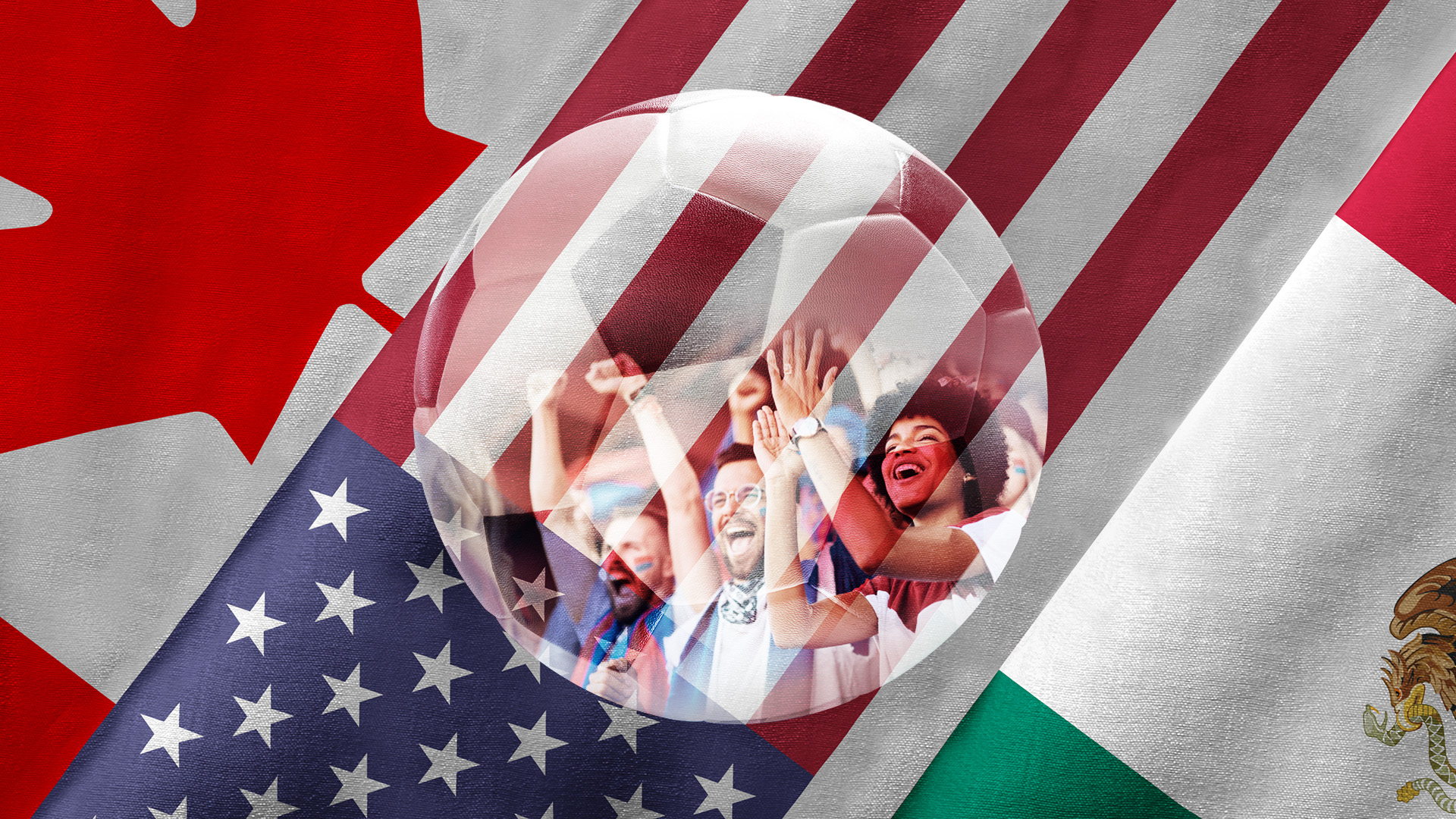
The issue also hits close to home for fans across the U.S. Families watching in Los Angeles, Seattle, New York, Dallas, Houston or Miami may see their own stories reflected in the team: migration, mixed heritage, hard choices and pride in more than one place. That is why the conversation around Reyna and the USMNT has caught on. It is about soccer, but it also asks what an American team looks like when America itself is shaped by people from everywhere.
There is history here, too. Diario AS pointed to earlier non-U.S.-born USMNT figures such as Tab Ramos and Joe Gaetjens, whose header against England in 1950 remains one of the country’s most famous World Cup moments. The 2026 team is not the first American squad with global roots, but playing this World Cup at home gives the theme a bigger stage.
What to Expect
The next confirmed step is on the field. The USMNT opens against Paraguay at SoFi Stadium in Los Angeles on June 12, then plays Australia at Lumen Field in Seattle on June 19, before facing Turkey at SoFi Stadium on June 25.
Reyna’s role will be watched closely because his creativity is one of the easiest ways for the U.S. to change a match. Zendejas, Tillman, Dest and Robinson will also draw attention because their personal routes into the team are now part of the World Cup conversation around the United States.
FAQ
Was Gio Reyna born in the United States?
No. The provided reports say Gio Reyna was born in Sunderland, England, while his father Claudio Reyna was playing there.
Why does Gio Reyna play for the USMNT?
Reyna lived most of his life in the United States after moving to New York at age five, developed at New York City FC, and represents the U.S. national team.
How many 2026 USMNT players were born abroad?
Diario AS and Bolavip list six: Sebastian Berhalter, Sergiño Dest, Gio Reyna, Antonee Robinson, Malik Tillman and Alejandro Zendejas. USA Today’s FTW count names seven.
Who does the USMNT play first in the 2026 World Cup?
The U.S. opens against Paraguay at SoFi Stadium in Los Angeles on June 12, according to the schedule cited in the provided sources.
Which USMNT players have Mexican family or birthplace links?
Alejandro Zendejas was born in Ciudad Juárez, Mexico, while Ricardo Pepi was born in Texas to Mexican parents.
Why is the USMNT roster being discussed beyond soccer?
The roster includes players born abroad, children of immigrants and dual-national stories, and the U.S. is hosting the World Cup during a wider national debate over immigration and belonging.