
Ben Kindel and the Quiet Reality of a Rookie Season in Pittsburgh
In mid-January, Ben Kindel’s name has begun surfacing more frequently across NHL coverage—not because of a breakout performance, but because his season so far reflects something far more common and less dramatic. As the Pittsburgh Penguins navigate a competitive stretch of games, Kindel’s early-career experience has become a small but telling subplot about patience, development, and expectations in professional hockey.
Main Topic Overview
Ben Kindel entered the season with measured optimism surrounding his offensive upside. Like many young players transitioning into consistent NHL minutes, his adjustment has been gradual. The recent discussion around his goal drought is less an indictment of performance and more a snapshot of how development unfolds at the highest level—often unevenly, quietly, and away from the highlight reel.
The broader context matters. Pittsburgh’s lineup during this stretch has leaned heavily on established contributors, with power-play opportunities and late-game situations typically favoring veterans. For a young player, production can lag even when underlying play shows progress.
News Coverage
Ben Kindel’s goal drought is common experience for young players

PensBurgh’s analysis frames Kindel’s lack of goals as a developmental norm rather than a concern. The piece points to historical comparisons, noting that many forwards who eventually became reliable scorers endured similar stretches early on. The focus shifts away from raw totals and toward ice time, positioning, and decision-making. In that light, Kindel’s season reads as transitional—marked by learning curves rather than stalled progress.
PHI@PIT: Rust scores PPG against Samuel Ersson
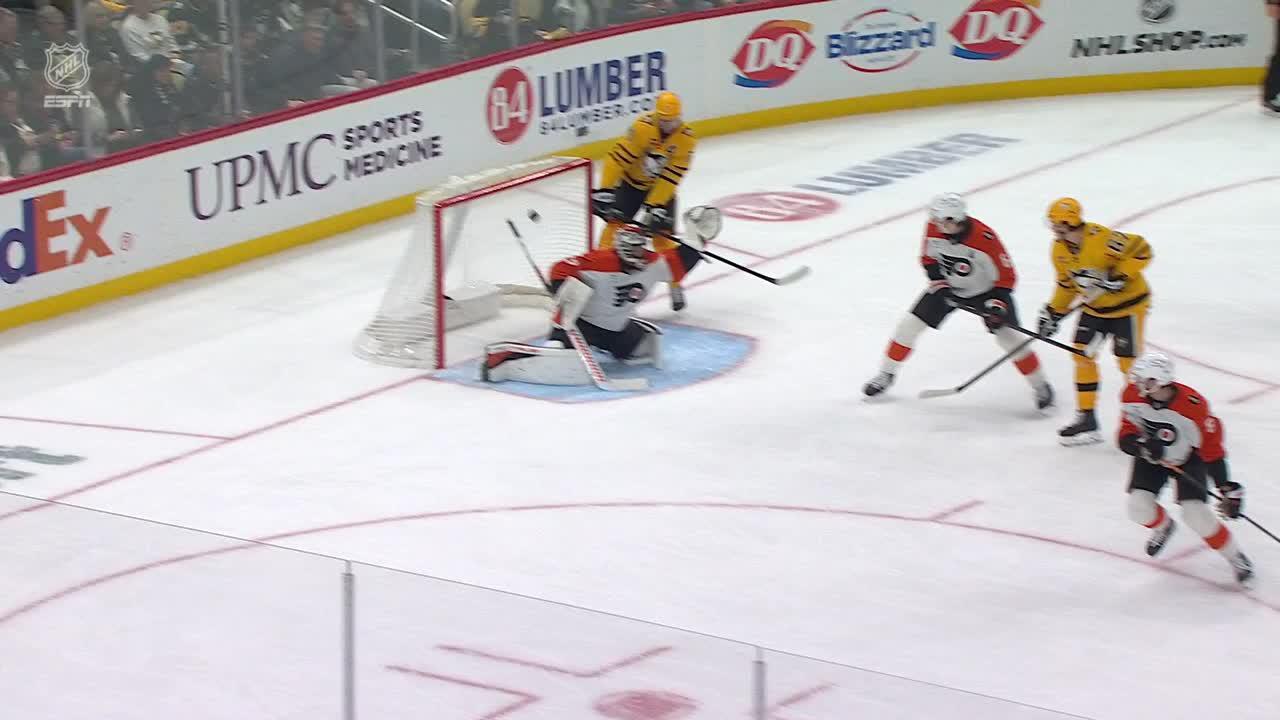
This game recap highlights how Pittsburgh’s offense continues to flow primarily through established names like Bryan Rust. For younger players such as Kindel, games like this illustrate the competitive reality of earning offensive opportunities. Power-play roles and high-leverage shifts remain concentrated among veterans, shaping how and where rookies can contribute.
Justin Brazeau strikes early with a power-play goal for the Pens

ESPN’s highlight reinforces the same pattern: scoring chances are often the result of special-teams deployment. While Brazeau capitalizes, Kindel’s presence around the play—later captured in post-goal imagery—signals involvement even when the final touch isn’t his. These moments rarely stand out in box scores but remain part of how coaching staffs evaluate readiness.
Evaluating top players from the NHL Draft class at midseason

The Athletic’s midseason evaluation provides wider context for Kindel’s situation. Across the league, several highly regarded prospects are experiencing uneven production. The analysis emphasizes adaptability and long-term projection over short-term output, suggesting that patience remains the prevailing approach for teams balancing development with competitive demands.
Summary / Insights
Taken together, the coverage paints a consistent picture. Ben Kindel’s season is not defined by absence but by adjustment. His goal drought fits within a familiar developmental arc, especially on a roster where offensive responsibility skews toward experience. The surrounding narratives—from game recaps to league-wide draft evaluations—underscore how common this phase is for young NHL players.
Rather than signaling a setback, the current moment reflects a broader reality of professional hockey: progress is often incremental, shaped by opportunity as much as ability.
TL;DR
Ben Kindel’s lack of goals has drawn attention, but recent coverage suggests it’s a typical part of early NHL development, especially within a veteran-heavy lineup like Pittsburgh’s.

Resources
Sources and references cited in this article.