
Casper Ruud at a Crossroads: Evolution, Uncertainty, and a Shifting Tennis Era
Casper Ruud’s name has surged across U.S. tennis coverage in recent days, not because of a single match result, but due to a revealing convergence of themes: competitive reinvention, generational pressure, and deeply personal uncertainty ahead of the Australian Open. Together, these stories paint a portrait of a top player navigating both professional recalibration and life-altering moments off court.
Main Topic Overview
This moment marks a notable inflection point in Ruud’s career. A multiple Grand Slam finalist and long-time fixture near the top of the rankings, he now finds himself reflecting publicly on how the rise of younger, more aggressive rivals is reshaping elite tennis. At the same time, questions surrounding his Australian Open participation have introduced an unusually human dimension to the pre-season narrative. This isn’t the first time an established star has faced generational pressure, but the openness with which Ruud has discussed change makes this phase particularly striking.
News Coverage
Casper Ruud: 'I Must Evolve My Game' to Counter the Alcaraz-Sinner Generation

Ruud’s comments underscore a growing awareness among established players that the sport’s competitive baseline has shifted. By referencing Carlos Alcaraz and Jannik Sinner as benchmarks, Ruud situates himself within a broader recalibration happening across the tour. His emphasis on evolution suggests not panic, but recognition that consistency alone is no longer sufficient. Historically, players who successfully adapted their styles extended their relevance; Ruud appears intent on following that path rather than resisting the trend.
Ruud, on the Alcaraz and Sinner generation: "They have made me realize that I have to change my tennis"

This analysis reinforces the idea that Ruud’s reflections are not isolated soundbites but part of a sustained self-assessment. By explicitly linking his need for change to the tactical boldness of younger rivals, the piece highlights how modern baseline aggression and tempo are redefining success. Previously, similar generational shifts forced players like Andy Murray and Stan Wawrinka to adjust schedules and tactics. Ruud’s willingness to articulate this shift suggests strategic intent rather than resignation.
Casper Ruud Reveals How Jannik Sinner, Joao Fonseca, and Others Have Forced Him to Rethink His Game
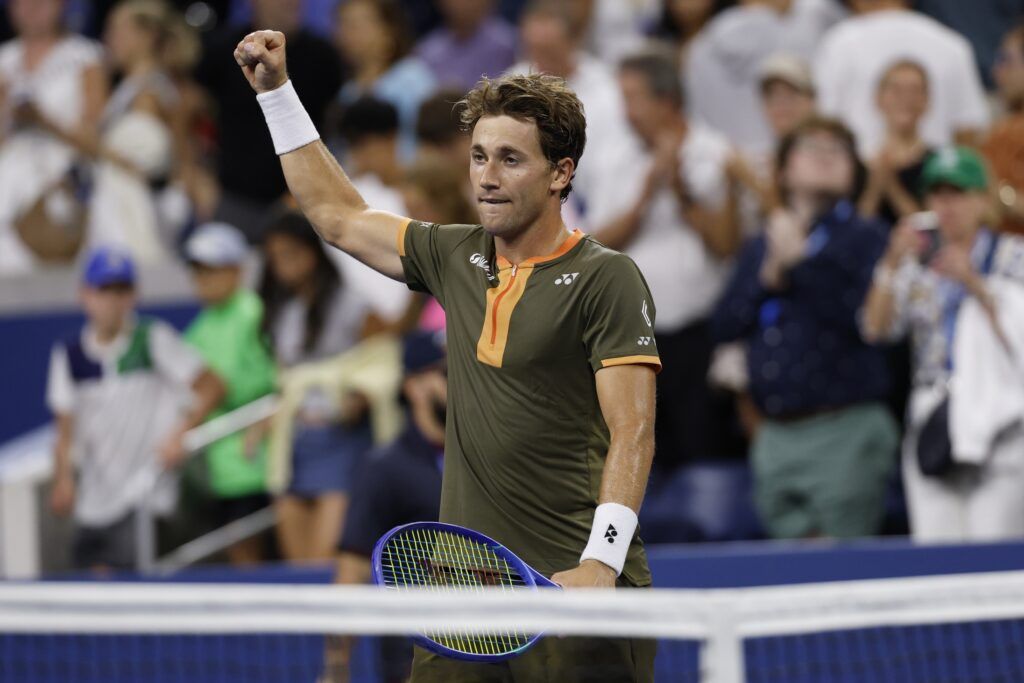
Here, the narrative broadens beyond two marquee names to include emerging talents such as Joao Fonseca. The article frames Ruud’s reassessment as a response to depth across the tour, not just the very top. This mirrors earlier eras when rising depth compressed margins and punished predictability. By studying multiple styles, Ruud signals an analytical approach, suggesting adaptation through learning rather than wholesale reinvention.
Why Ruud has been 'studying' the likes of Sinner & Fonseca

This piece situates Ruud’s evolution within the immediate context of warm-up events and preparation cycles. Studying opponents has long been standard practice, but the explicit acknowledgment of it highlights the intensity of current competition. Previously, top seeds could rely on form through early rounds; the implication here is that preparation now begins far earlier. The article subtly reinforces how compressed the competitive window has become.
Grand Slam finalist ready to pull out of Australian Open immediately if fiancée phones him

Shifting from tactics to personal stakes, this report introduces uncertainty around Ruud’s Australian Open participation. While framed dramatically, the underlying issue reflects a broader reality for athletes balancing family milestones with professional obligations. Similar situations have occurred previously, often prompting mixed reactions from fans and organizers. The story adds emotional context without altering the competitive facts.
Ruud casts doubt on his participation in the Australian Open for this surprising reason

This coverage contextualizes the potential withdrawal within Ruud’s own words, reducing speculation while clarifying motivations. By emphasizing uncertainty rather than decision, it aligns with how players often manage expectations ahead of major tournaments. Historically, such situations have rarely derailed seasons outright, but they can reshape early momentum. The article balances personal explanation with competitive implications.
Casper Ruud May Miss Australian Open? The Heartbreaking Reason Revealed

Although the headline leans emotional, the substance reiterates the same central issue: uncertainty driven by personal circumstances rather than injury or form. This repetition across outlets indicates how unusual it is for a top seed’s availability to hinge on non-sporting factors so close to a Slam. Past examples suggest fans ultimately respect transparency, even when plans remain fluid.
Casper Ruud admits 'I might get a call and be on the plane back home out of here'
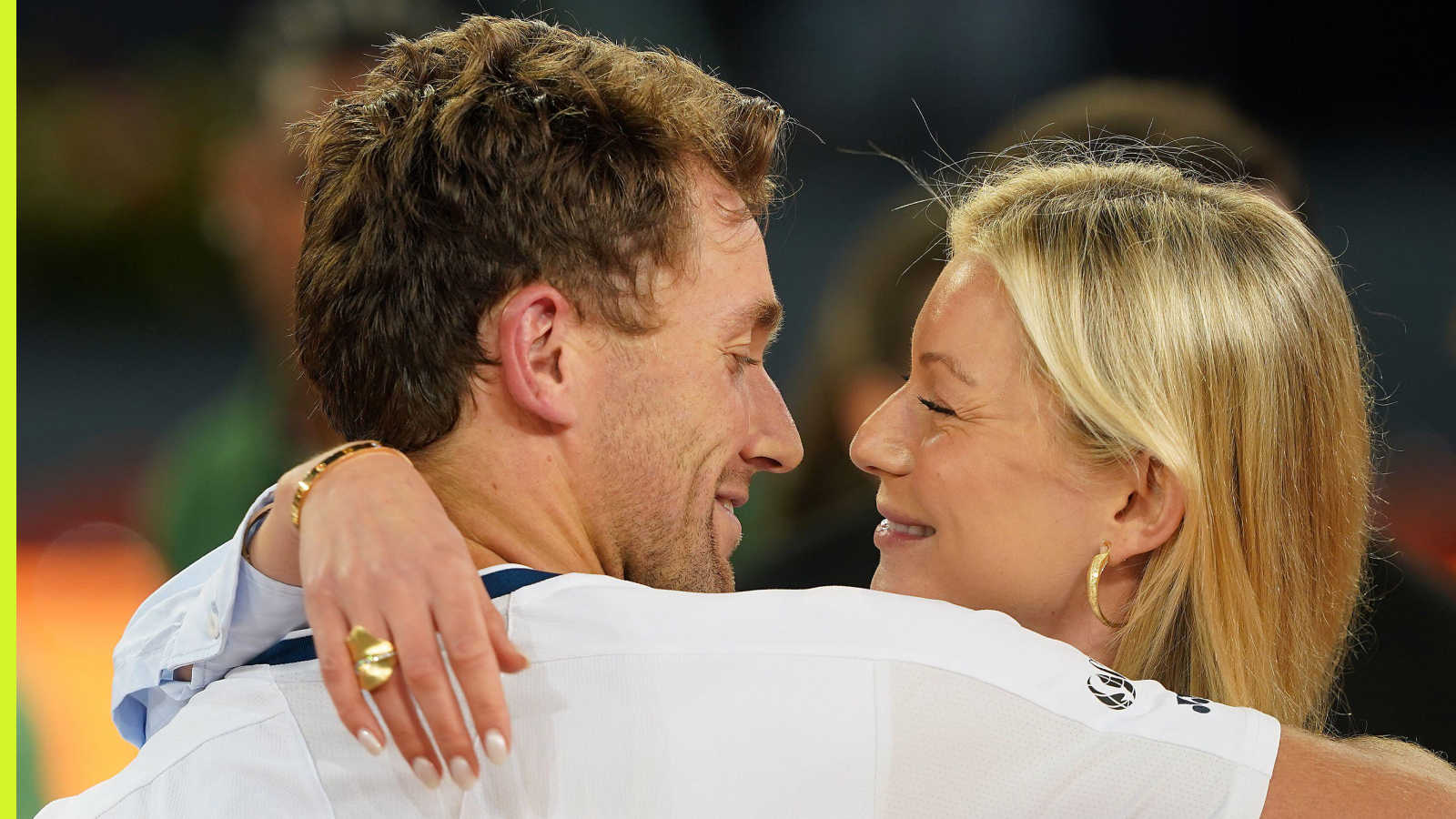
This account reinforces the immediacy of Ruud’s dilemma, capturing how quickly circumstances could change. Unlike injury updates, this uncertainty cannot be scheduled or managed through training adjustments. The article highlights the human unpredictability behind elite sport, a theme that has periodically surfaced when athletes confront major life events mid-season.
Ruud: “If you don’t bring your A-game at UTS, it’s game over for you”

Finally, Ruud’s remarks about UTS competition connect back to the broader theme of rising intensity. Alternative formats like UTS often exaggerate trends already present on tour: speed, pressure, and reduced margins. His comments serve as a microcosm of the larger evolution he has been describing, reinforcing how adaptation is required across formats, not just at Grand Slams.
Summary / Insights
Taken together, these stories illustrate a pivotal phase for Casper Ruud. Professionally, he is confronting a faster, deeper, and more aggressive competitive environment, responding with study and self-reflection rather than defiance. Personally, he faces uncertainty that could reshape his immediate schedule without defining his long-term trajectory. This combination of evolution and vulnerability echoes past moments in tennis history, when established contenders recalibrated in response to both generational change and life beyond the baseline.

Resources
Sources and references cited in this article.