
Cowboys Mourn Marshawn Kneeland: A Tragic Loss That Sparks Mental Health Awareness
- Outline the timeline of Marshawn Kneeland’s passing and team responses.
- Analyze emotional and institutional reactions across NFL and media.
- Highlight mental health discussions prompted by the tragedy.
- Synthesize coverage from verified sources: AP, ESPN, BBC, and others.
- Reflect on broader implications for athlete well-being and support systems.
The Dallas Cowboys and the wider NFL are in mourning after defensive end Marshawn Kneeland was found dead at just 24 years old. His sudden death, ruled an apparent suicide, has shaken teammates, fans, and the sports community. This digest examines how major outlets covered the event, how players and coaches responded, and how the tragedy reignited urgent calls for better mental health care within professional sports.
Main Topic Overview
Marshawn Kneeland’s passing came as a profound shock to the football world. Known for his quiet discipline and fierce competitiveness, Kneeland was drafted by Dallas and quickly earned respect among teammates. His death has not only left a personal void but also sparked deep public dialogue on the pressures athletes face and the importance of accessible mental health resources. Across the media landscape, the focus shifted from grief to advocacy, emphasizing the human cost of performance culture in the NFL.
News Coverage
Parsons reflects on loss of ex-teammate Kneeland

ESPN reported linebacker Micah Parsons’ heartfelt reflection on his former teammate. Parsons spoke about Kneeland’s quiet work ethic and the emotional toll his loss had on the locker room. The coverage underscored the team’s focus on unity and the importance of checking in on one another beyond the game field, bringing human empathy to the forefront of the NFL’s ongoing mental health narrative.
Marshawn Kneeland: Dallas Cowboys quarterback Dak Prescott says players 'hurting' following death

The BBC focused on Dak Prescott’s statement about the emotional devastation within the Cowboys’ ranks. Prescott’s remarks—“we’re all hurting”—reflected how deeply personal this tragedy felt. The article expanded on the shared grief across the NFL and the unspoken pressures of professional athletes living under constant scrutiny. The BBC positioned Prescott’s words as a leadership moment grounded in compassion.
All NFL teams should have a full-time mental-health clinician on staff

NBC Sports used the tragedy to spotlight systemic change, arguing that every NFL team should employ a full-time clinician. The commentary built on existing calls from players’ unions and psychologists, framing Kneeland’s death as an urgent wake-up call. It combined expert opinion and data on athlete burnout to argue for institutional accountability rather than reactive measures.
Marshawn Kneeland Texted His Family ‘Goodbye’ Before His Death, Police Dispatch Reveals
:max_bytes(150000):strip_icc():focal(999x0:1001x2)/marshawn-kneeland-cowboys-110625-1-d6edab8e53334f219c5647a6e9b8081f.jpg)
People Magazine’s coverage brought heartbreaking personal details to light, reporting that Kneeland texted his family a final goodbye before his death. The article approached the topic with care, contextualizing it within the broader issue of emotional strain faced by professional athletes. The story emphasized family grief and privacy, encouraging compassion and open dialogue around suicide prevention.
Psychologist urges honest conversation around suicide in the wake of Marshawn Kneeland's death
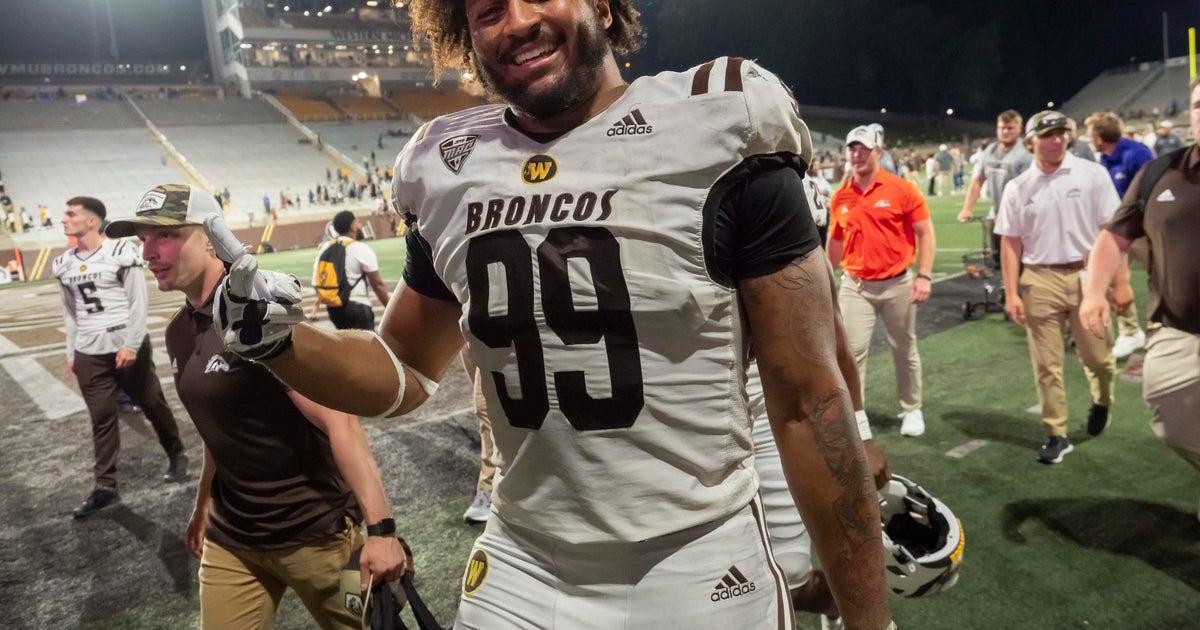
CBS News expanded the conversation through expert commentary, featuring a clinical psychologist who called for destigmatizing mental health issues among athletes. The piece acknowledged how high-performance culture can isolate players emotionally. Its message was clear: prevention starts with transparency, empathy, and proactive institutional care rather than silence after tragedy.
Marshawn Kneeland's Family Breaks Silence on His Death
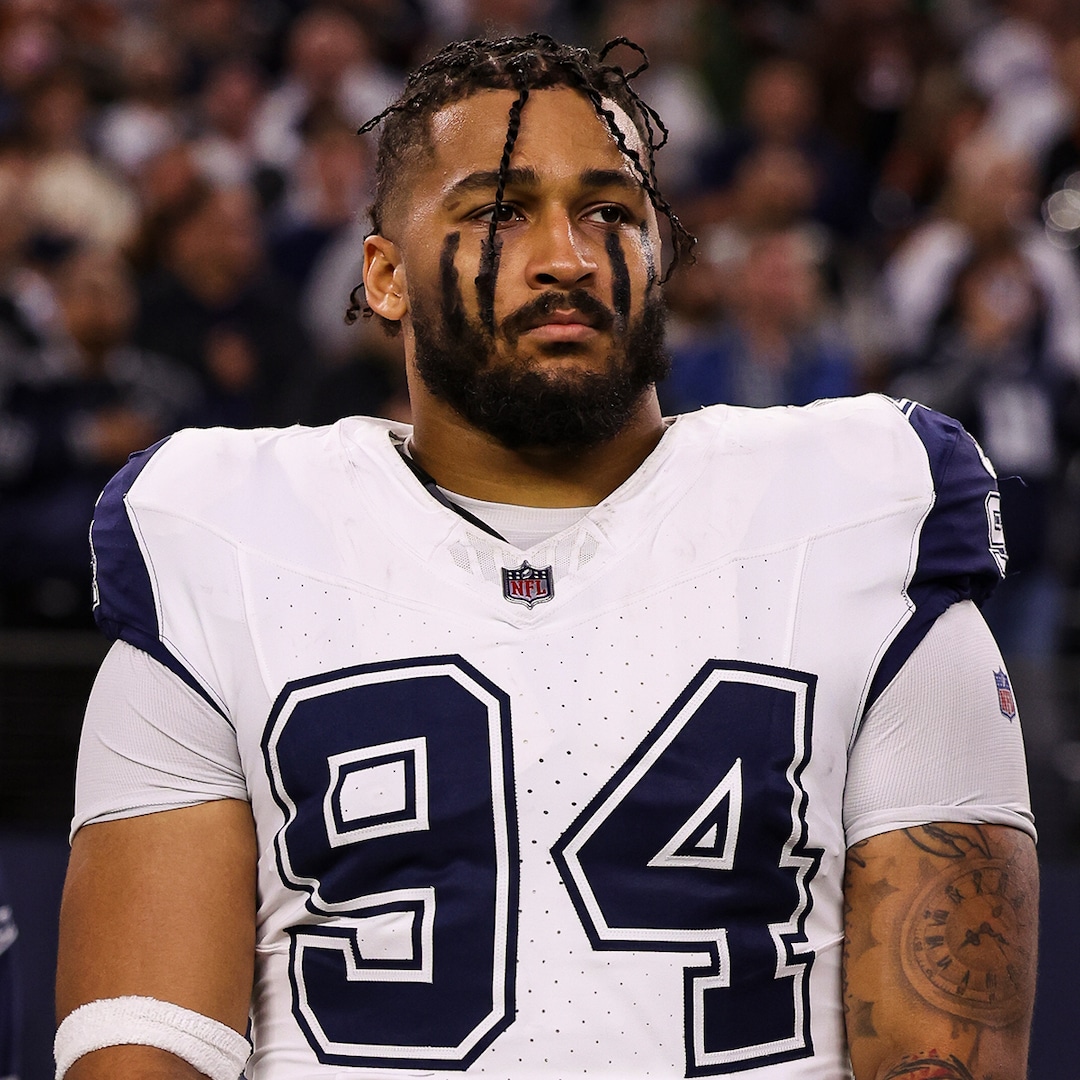
E! News published the family’s first public statement, describing Kneeland as a “loving son, brother, and teammate.” Their request for privacy and prayers echoed through fan tributes online. The report humanized the story by centering on love, faith, and remembrance—away from speculation. It framed the tragedy as one shared by an entire community, not just a football team.
Marshawn Kneeland passes away at age 24

The Cowboys’ official site issued a formal statement expressing deep sadness over the loss. It avoided speculation, focusing on honoring his memory and supporting his family. This official communication became a cornerstone source for later reporting and reflected the franchise’s attempt to balance transparency with respect during mourning.
Cowboys' Marshawn Kneeland found dead of apparent suicide at 24 after evading officers, police say
AP News provided verified details from local authorities, confirming Kneeland’s death as an apparent suicide following a brief police encounter. The report maintained journalistic restraint, focusing on facts and respecting the family’s privacy. It served as the foundational record from which other newsrooms sourced confirmation of the event’s timeline.
Cowboys’ Dak Prescott, Solomon Thomas share messages after Marshawn Kneeland’s death

The New York Times chronicled emotional tributes from Dak Prescott and Solomon Thomas, both vocal advocates for mental health awareness. Their messages underscored the need for vulnerability in professional sports and encouraged players to seek help without fear of stigma. The article framed these moments as critical in reshaping locker-room culture toward empathy and openness.
Summary / Insights
The collective media response to Marshawn Kneeland’s death reveals a shift from shock toward systemic reflection. Across outlets, coverage balanced grief with advocacy, urging the NFL and fans to confront mental health stigma head-on. The tragedy united voices—from players to psychologists—in calling for compassion and reform. Beyond statistics and statements, the story serves as a sobering reminder that even in elite sports, vulnerability must be met with understanding, not silence.
TL;DR
Marshawn Kneeland’s death at 24 left the NFL in mourning and ignited urgent conversations about athlete mental health. Players, media, and fans alike are demanding deeper institutional support and compassion within professional sports.

Resources
Sources and references cited in this article.