
In the United States, renewed attention around NASCAR legend Dale Earnhardt’s death is intersecting with a personal account from actor and racer Frankie Muniz. As media outlets revisit the 25-year mark since Earnhardt’s fatal crash at the 2001 Daytona 500, Muniz has shared details about his final conversation with the seven-time champion. Together, the retrospective coverage and Muniz’s reflection are prompting a broader public conversation about legacy, safety, and the enduring cultural impact of one of motorsports’ most defining moments.
Main Topic Overview
Dale Earnhardt’s death during the final lap of the 2001 Daytona 500 marked a turning point for NASCAR and for American motorsports. Known as "The Intimidator," Earnhardt was one of the sport’s most dominant and recognizable figures. His passing led to significant safety reforms, including expanded use of head-and-neck restraints and structural changes to race cars.
Now, 25 years later, multiple national and regional outlets are revisiting that day, examining how the sport changed and how Earnhardt’s legacy continues to shape NASCAR. Frankie Muniz, who transitioned from acting to competitive racing, has added a personal dimension by recounting a final exchange he had with Earnhardt shortly before the crash. His story connects a new generation of racing fans to a pivotal chapter in the sport’s history.
News Coverage
FOX Presents 'We've Lost Dale Earnhardt: Years Later' Documentary On Thursday
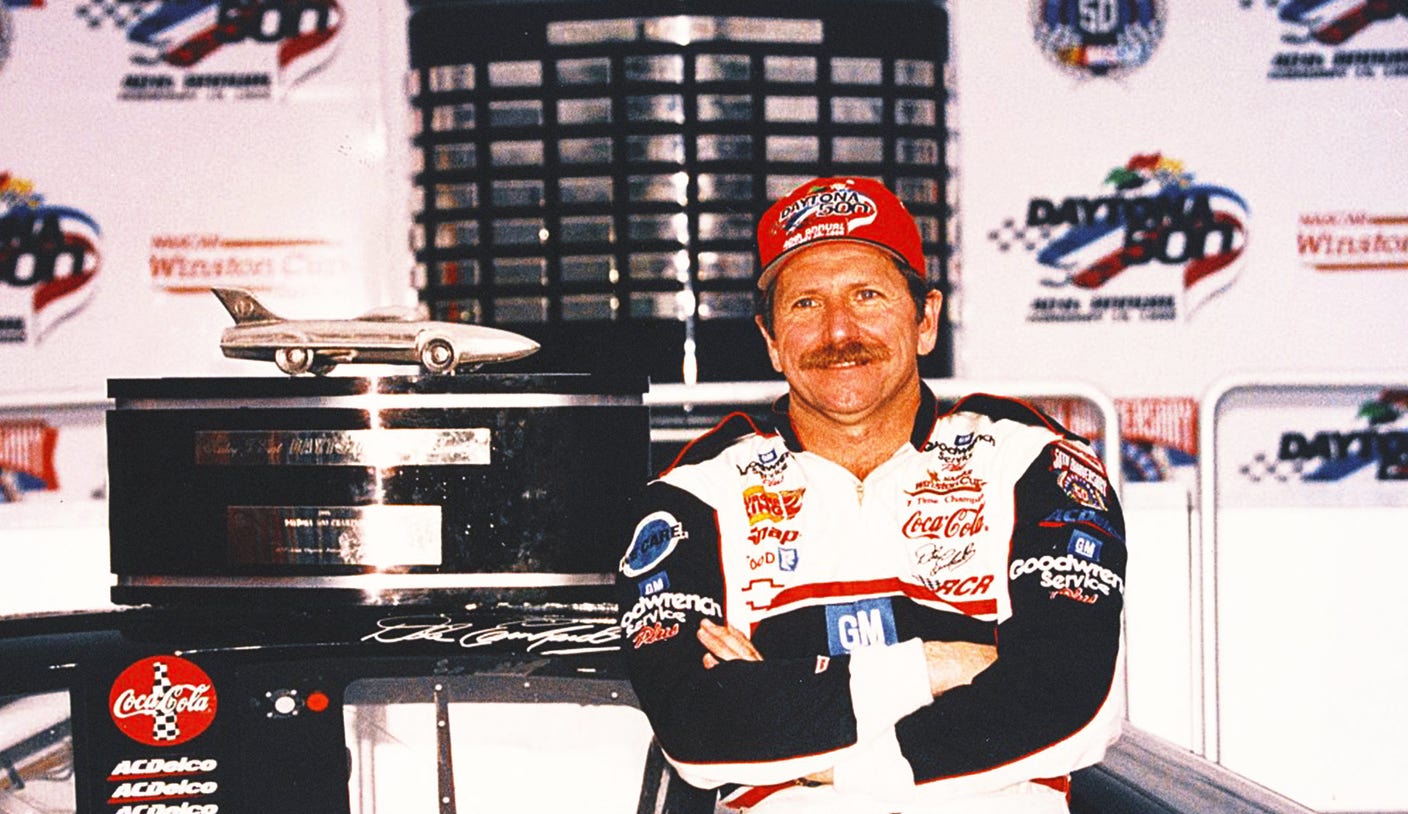
FOX Sports is airing a documentary revisiting the day of Earnhardt’s fatal crash and the aftermath within NASCAR. The film focuses on how broadcasters handled the news in real time and how the sport processed the loss of its most visible figure. By examining archival footage and interviews, the documentary frames the crash not only as a tragic sporting event but as a watershed moment in American racing culture. This coverage reinforces the broader trend of reflection by highlighting how media narratives shaped public understanding of the tragedy. It underscores how Earnhardt’s death became a national story, extending beyond NASCAR fans and into mainstream sports history.
Remembering Dale Earnhardt years after fatal Daytona crash

Yahoo Sports revisits Earnhardt’s career achievements and the events of the 2001 Daytona 500, placing the crash within the larger arc of his dominance in NASCAR. The article explains how his competitive style defined an era and why his death reverberated throughout the racing community. By outlining the safety reforms that followed, the piece connects past tragedy to present-day racing standards. This perspective helps readers understand why Earnhardt’s story continues to surface in national sports conversations, especially during milestone anniversaries.
In Remembrance of Dale Earnhardt

Autoweek’s remembrance emphasizes Earnhardt’s influence on the identity of NASCAR itself. It explores how his persona, rivalries, and championships shaped fan loyalty and competitive culture during the 1990s. In the context of the current discussion, this article adds historical depth. It illustrates why anniversary coverage is not solely about the crash but about assessing the full scope of Earnhardt’s impact on the sport and its evolution.
Dale Earnhardt's legacy: How we told world about NASCAR's saddest day

The Daytona Beach News-Journal focuses on the newsroom experience during the immediate aftermath of the crash. Reporters recount the uncertainty and the responsibility of confirming and communicating the news. This angle highlights how Earnhardt’s death was not only a sporting event but also a major media moment. It deepens understanding of how collective memory around the crash was formed and why it remains emotionally resonant decades later.
Frankie Muniz Details Final Conversation With NASCAR's Dale Earnhardt Before Fatal Crash
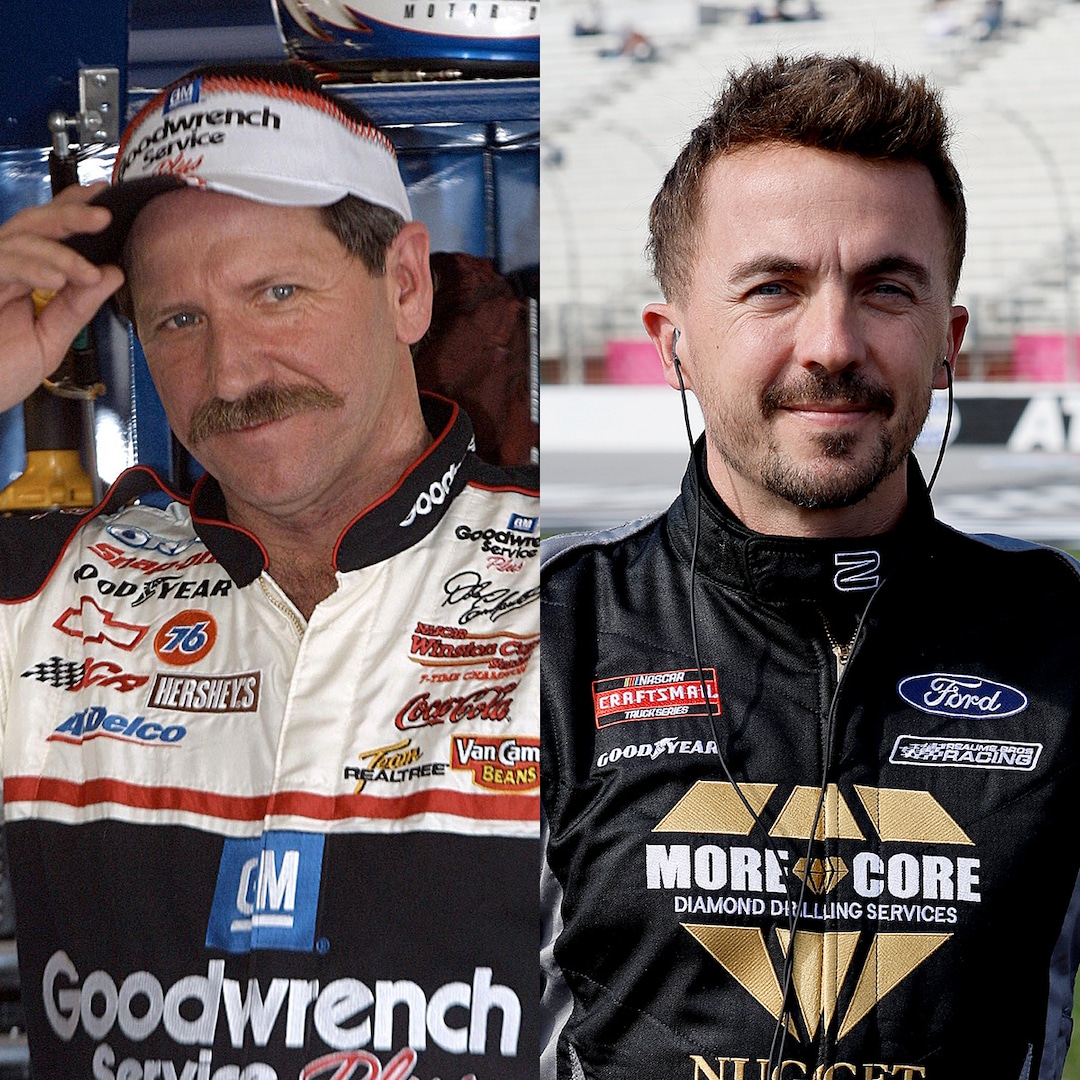
E! News reports on Frankie Muniz’s recollection of speaking with Earnhardt shortly before the 2001 race. Muniz, who later pursued a racing career, describes the exchange as brief but meaningful, reflecting on how Earnhardt treated fans and newcomers. His account adds a personal dimension to the broader anniversary coverage. While other outlets focus on legacy and institutional change, Muniz’s story emphasizes human connection, illustrating how Earnhardt’s influence extended beyond the track.
Summary / Insights
The renewed focus on Dale Earnhardt combines institutional reflection with personal storytelling. National sports outlets are reassessing his competitive legacy and the safety reforms that followed his death. Regional publications are revisiting how the tragedy was covered in real time. Meanwhile, Frankie Muniz’s recollection brings a contemporary and human perspective to the conversation.
Together, these angles show how a single event can reshape a sport while continuing to influence public memory decades later. The coverage highlights Earnhardt’s dual legacy: as a dominant champion and as the catalyst for transformative safety improvements in NASCAR.
TL;DR
Twenty-five years after Dale Earnhardt’s fatal Daytona crash, media retrospectives and Frankie Muniz’s personal reflection are renewing discussion about Earnhardt’s legacy, NASCAR safety reforms, and the lasting cultural impact of the sport’s most pivotal moment.